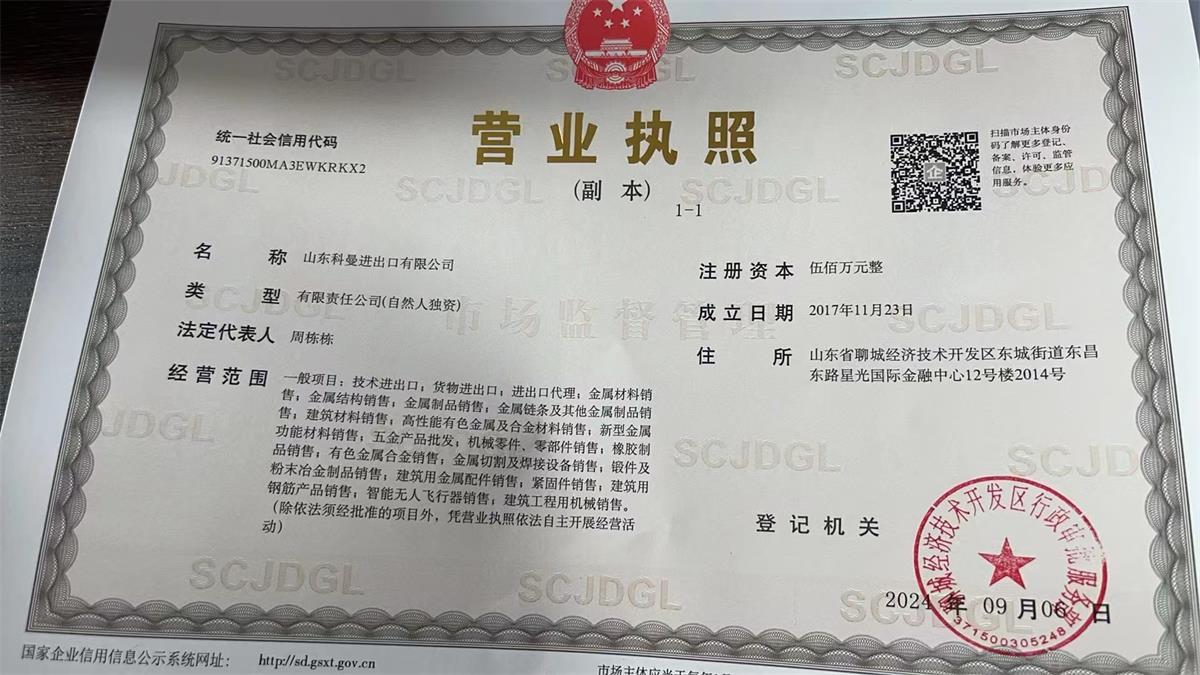
Address:Shandong Keman Import and Export Co., Ltd.

Steel Plate: Essential Tips and Considerations for Your Next Project
Release time:
2025-05-07
Explore important tips and considerations when working with steel plates to ensure success in your projects.
Understanding Steel Plate
When it comes to construction and manufacturing, the term Steel Plate pops up quite a bit. But what exactly does it entail? In simple terms, a steel plate is a flat piece of steel that comes in various sizes and thicknesses, used in a plethora of applications from bridges to buildings. It’s a versatile material that has become a staple in industries across the board, but there are some key considerations to keep in mind.
Choosing the Right Type of Steel Plate
First things first, not all steel plates are created equal! Depending on the intended use, you might want to consider different grades of steel. For example, structural steel plates are ideal for building frameworks, while marine-grade steel plates are designed to withstand harsh saltwater environments. So, before you dive in, do your homework!
Common Grades of Steel Plate
- A36 Steel Plate: Great for general construction.
- A572 Steel Plate: Excellent for high-strength applications.
- Stainless Steel Plate: Perfect for corrosion resistance.
Thickness Matters
Now, let’s talk thickness. You might think, “A plate is a plate, right?” Wrong! The thickness of a steel plate can significantly affect its performance and usability. Thicker plates are generally stronger, but they can also be heavier and more challenging to work with. If you’re unsure, consult with a professional to find the sweet spot for your project.
Welding and Cutting Considerations
Alright, let’s get into the nitty-gritty! When it comes to Steel Plate, welding and cutting are two crucial processes you’ll likely encounter. Always remember that not all steel plates are suitable for welding; some have coatings that can release harmful fumes. And cutting? Well, that’s a whole other ball game. Use the right equipment and safety gear, or you might be in for a world of hurt!
Storage and Handling Tips
It’s easy to overlook the importance of proper storage and handling of steel plates, but trust me, you don’t want to be that person who ruins a good plate! Store them on a flat, dry surface to prevent warping and corrosion. And when you’re moving them around? Use the right lifting equipment. Safety first, folks!
Inspecting Your Steel Plate
Before you even think about using a steel plate, give it a thorough inspection. Look for any signs of rust, dents, or other damage. A compromised plate can lead to catastrophic failures down the line. If you notice anything off, it’s worth considering a replacement.
The Environmental Impact
In today’s world, being eco-conscious is all the rage, and rightly so! When working with Steel Plate, consider its environmental impact. Opt for plates made from recycled materials or those that can be repurposed. Sustainability is key, and you’ll feel better knowing you’re doing your part.
Final Thoughts
So there you have it! Whether you’re a seasoned pro or a DIY novice, understanding these key aspects of Steel Plate will set you up for success. Remember to choose the right type and thickness, handle it with care, and always prioritize safety. Happy building!
Latest News
Innovative Applications of Carbon Steel Plates in Building Designs
Innovative Applications of Carbon Steel Plates in Building Designs Carbon steel plates have emerged as a cornerstone material in the construction industry, gaining acclaim for their versatility, strength, and aesthetic potential. As the demand for innovative design solutions escalates, architects and builders are increasingly incorporating carbon steel plates into their projects. This article expl
2026-09-22
Understanding A514 Carbon Steel Plate: Key Characteristics and Applications
A514 Carbon Steel Plate is a high-yield strength steel that has become a preferred choice in various industrial applications, particularly in the fields of metallurgy and energy. This type of steel is known for its excellent mechanical properties, making it suitable for demanding environments where strength and durability are paramount. One of the key characteristics of A514 Carbon Steel Plate is
2026-09-17
How A387 Carbon Alloy Steel Plate Enhances Structural Integrity in Construction
How A387 Carbon Alloy Steel Plate Enhances Structural Integrity in Construction Table of Contents 1. Introduction to A387 Carbon Alloy Steel Plate 2. What is A387 Carbon Alloy Steel? 3. Key Properties of A387 Carbon Alloy Steel Plates 4. Manufacturing Process of A387 Steel Plates 5. Applications of A387 Carbon Alloy Steel Plates 6. Advantages of Using A387 Carbon Alloy Ste
2026-09-12
Understanding A285 Carbon Steel Pressure Plates: Essential Insights for Construction and Design
A285 Carbon Steel Pressure Plates are primarily used in pressure vessel fabrication and construction applications. This type of steel is known for its good weldability and formability, making it a favorable choice for various structural components. The ASTM A285 standard specifically governs the specifications for carbon steel plates intended for low-pressure service. One of the key characteristic
2026-09-07
The Role of 5A05 Aluminum Plate in Enhancing Building Aesthetics
The Role of 5A05 Aluminum Plate in Enhancing Building Aesthetics Table of Contents 1. Introduction to 5A05 Aluminum Plates 2. Properties of 5A05 Aluminum Plates 3. Applications of 5A05 Aluminum Plates in Architecture 4. Aesthetic Advantages of Using 5A05 Aluminum Plates 5. Sustainability and Environmental Impact 6. Installation and Maintenance of 5A05 Aluminum Plates 7
2026-09-02
Understanding B500 Steel Reinforcement: Key Insights for Professionals in Construction Machinery
B500 steel reinforcement is a critical component in the construction industry, particularly in manufacturing and processing machinery for engineering and construction projects. This high-strength steel bar is widely used in reinforced concrete structures, providing the necessary tensile strength to support heavy loads and withstand various stresses. One of the defining characteristics of B500 stee
2026-08-28


Copyright 2025 : Shandong Keman Import and Export Co., Ltd. Powered by:CEglobal SEO BUSINESS LICENSE