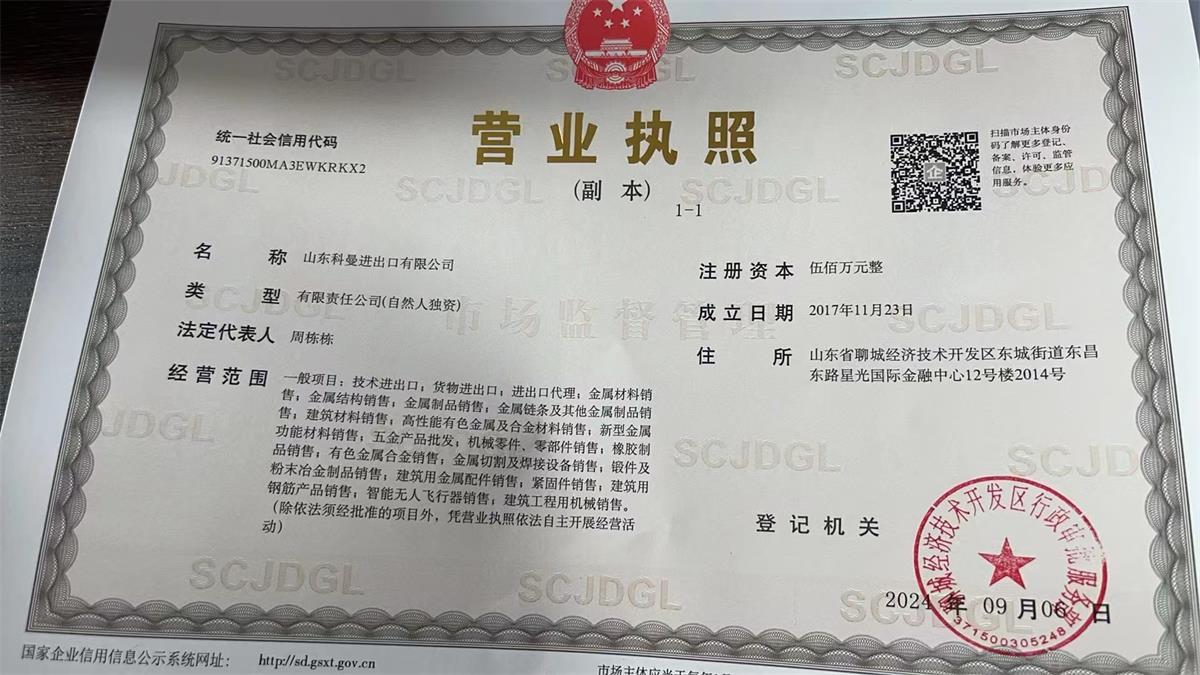
Address:Shandong Keman Import and Export Co., Ltd.

Navigating the Essentials of Steel Coil: A Guide for Beginners
Release time:
2025-06-06
Discover key considerations when working with steel coil in this engaging guide tailored for beginners.
Introduction to Steel Coil
Hey there! So you’re diving into the world of Steel Coil, huh? Well, you’re in for a treat! This versatile material is a staple in industries ranging from construction to automotive manufacturing. But before you jump in headfirst, there are some important things you should know that can make a world of difference in your projects.
What is Steel Coil?
First off, let’s break it down. A Steel Coil is essentially a rolled product made from steel. Manufacturers take a large sheet of steel and roll it into coils, making it easier to transport and process. These coils can be sliced, cut, or used as is, depending on the requirements of your project. Pretty cool, right?
Why Choose Steel Coil?
Okay, let’s talk benefits. Why should you opt for Steel Coil over other materials? Well, for starters, it’s super strong and durable. This means your structures will stand the test of time (and weather!). Plus, it’s recyclable, which is a big win for Mother Earth. And let’s not forget—steel coils are relatively lightweight, making them easier to handle and transport.
Key Considerations When Working with Steel Coil
Now that you’re sold on the benefits, let’s dig into some crucial points you ought to keep in mind:
1. Quality Matters
Always, and I mean always, check the quality of the steel coil before purchasing. A low-quality product can lead to structural failures down the line, which is a nightmare for any project. Look for certificates of compliance and specifications that match the standards you need.
2. Understand Your Needs
Different projects require different types of steel coil. Are you building a high-rise? You might need a specific grade of steel. Are you working on a decorative project? Consider galvanized or coated options. Know your requirements inside and out!
3. Safety First!
When handling Steel Coil, safety should be your top priority. Always wear the appropriate gear—gloves, helmets, and steel-toed boots. Trust me; you don’t want to deal with accidents that could’ve been avoided!
4. Storage Solutions
Improper storage can lead to rusting or damage. Keep your coils in a dry, well-ventilated area, and if you can, elevate them off the ground. This little tip can save you a lot of headaches later!
5. Know the Regulations
Each region has its own regulations for steel products. Make sure you’re in the know to avoid any legal hiccups. A quick check with local authorities can save you from future troubles.
Conclusion: Start Your Journey with Steel Coil
So there you have it—a beginner’s guide to navigating the essentials of Steel Coil. Armed with this knowledge, you’re ready to tackle your projects with confidence. Remember, whether you’re a DIY enthusiast or a seasoned pro, understanding your materials will always pay off. Happy building!
Latest News
Innovative Applications of Carbon Steel Plates in Building Designs
Innovative Applications of Carbon Steel Plates in Building Designs Carbon steel plates have emerged as a cornerstone material in the construction industry, gaining acclaim for their versatility, strength, and aesthetic potential. As the demand for innovative design solutions escalates, architects and builders are increasingly incorporating carbon steel plates into their projects. This article expl
2026-09-22
Understanding A514 Carbon Steel Plate: Key Characteristics and Applications
A514 Carbon Steel Plate is a high-yield strength steel that has become a preferred choice in various industrial applications, particularly in the fields of metallurgy and energy. This type of steel is known for its excellent mechanical properties, making it suitable for demanding environments where strength and durability are paramount. One of the key characteristics of A514 Carbon Steel Plate is
2026-09-17
How A387 Carbon Alloy Steel Plate Enhances Structural Integrity in Construction
How A387 Carbon Alloy Steel Plate Enhances Structural Integrity in Construction Table of Contents 1. Introduction to A387 Carbon Alloy Steel Plate 2. What is A387 Carbon Alloy Steel? 3. Key Properties of A387 Carbon Alloy Steel Plates 4. Manufacturing Process of A387 Steel Plates 5. Applications of A387 Carbon Alloy Steel Plates 6. Advantages of Using A387 Carbon Alloy Ste
2026-09-12
Understanding A285 Carbon Steel Pressure Plates: Essential Insights for Construction and Design
A285 Carbon Steel Pressure Plates are primarily used in pressure vessel fabrication and construction applications. This type of steel is known for its good weldability and formability, making it a favorable choice for various structural components. The ASTM A285 standard specifically governs the specifications for carbon steel plates intended for low-pressure service. One of the key characteristic
2026-09-07
The Role of 5A05 Aluminum Plate in Enhancing Building Aesthetics
The Role of 5A05 Aluminum Plate in Enhancing Building Aesthetics Table of Contents 1. Introduction to 5A05 Aluminum Plates 2. Properties of 5A05 Aluminum Plates 3. Applications of 5A05 Aluminum Plates in Architecture 4. Aesthetic Advantages of Using 5A05 Aluminum Plates 5. Sustainability and Environmental Impact 6. Installation and Maintenance of 5A05 Aluminum Plates 7
2026-09-02
Understanding B500 Steel Reinforcement: Key Insights for Professionals in Construction Machinery
B500 steel reinforcement is a critical component in the construction industry, particularly in manufacturing and processing machinery for engineering and construction projects. This high-strength steel bar is widely used in reinforced concrete structures, providing the necessary tensile strength to support heavy loads and withstand various stresses. One of the defining characteristics of B500 stee
2026-08-28


Copyright 2025 : Shandong Keman Import and Export Co., Ltd. Powered by:CEglobal SEO BUSINESS LICENSE