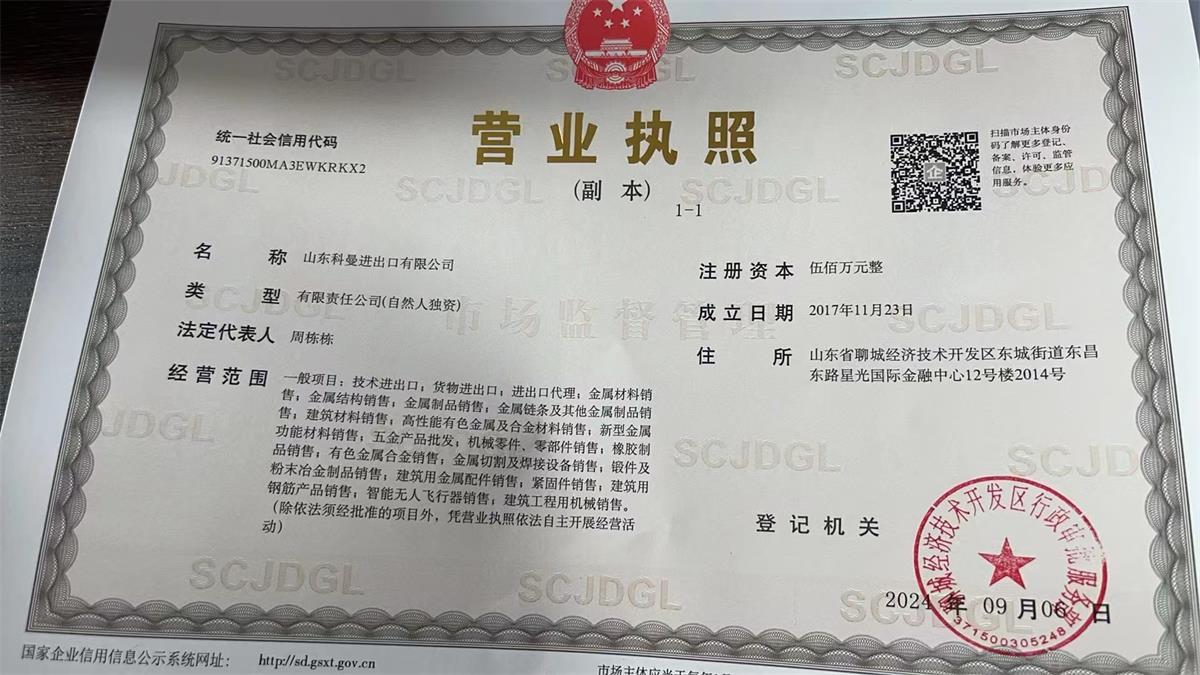
Address:Shandong Keman Import and Export Co., Ltd.

Unlocking the Potential of Steel Coil: A Comprehensive Overview
Release time:
2025-06-15
Discover the versatility and applications of steel coil in various industries. Learn why it's a vital material.
Understanding Steel Coil: An Essential Material
Steel coil—sounds simple, right? But oh, how much it encompasses! From construction sites to automotive manufacturing, this versatile material plays a pivotal role in countless applications. Grab a cup of coffee, and let’s dive into the world of steel coil!
What is Steel Coil?
At its core, a steel coil is a rolled sheet of steel, ready to be cut, shaped, or molded into a variety of products. These coils are produced through a process known as cold or hot rolling, a method that gives steel its unique properties. Whether it’s used for structural support or as a component in machinery, steel coil is a foundational element in many sectors.
Types of Steel Coils: A Quick Rundown
Steel coil isn’t one-size-fits-all. There are several types, each tailored to specific needs:
- Cold Rolled Steel Coil: Known for its smooth finish and tight tolerances, it’s perfect for applications requiring precision.
- Hot Rolled Steel Coil: This type is produced at high temperatures, making it easier to shape but with less precision. It’s great for structural applications.
- Galvanized Steel Coil: Coated with zinc, it’s resistant to corrosion, making it ideal for outdoor use.
- Stainless Steel Coil: Renowned for its strength and resistance to tarnishing, it’s widely used in kitchen appliances and medical equipment.
Applications of Steel Coil: Where Does It Shine?
Now, where does steel coil really make its mark? Let’s explore some of the key industries benefiting from its use:
1. Construction Industry
In the construction realm, steel coil is a go-to material. It’s often used in beams, columns, and roofing systems. Thanks to its strength, buildings can withstand extreme weather conditions. Talk about durability!
2. Automotive Sector
Ever wondered what keeps your car so sturdy? You guessed it—steel coil! It’s used in various components, including frames and body panels, enhancing safety and performance.
3. Appliances and Electronics
From refrigerators to washing machines, steel coil is found in many household appliances. Its resistance to rust and wear ensures longevity and reliability.
Why Choose Steel Coil?
Alright, let’s get down to brass tacks. Why should manufacturers and builders opt for steel coil? Here’s the lowdown:
- Cost-Effective: Steel coil is often more affordable than other materials, making it a smart choice for large-scale projects.
- Versatile: It can be easily manipulated into a myriad of shapes and sizes, fitting various design criteria.
- Environmentally Friendly: Steel is recyclable, making it a sustainable option for eco-conscious businesses.
The Future of Steel Coil
Looking ahead, the demand for steel coil shows no signs of slowing down. With advancements in technology and manufacturing processes, we can expect even more innovative uses for this remarkable material. Plus, as industries move toward more sustainable practices, steel coil’s recyclability will only add to its appeal.
Conclusion
In summary, steel coil is much more than just a rolled piece of metal; it’s a cornerstone of modern manufacturing and construction. With its myriad benefits and applications, it’s clear why steel coil continues to be a top choice across industries. So, the next time you see a building, a car, or even an appliance, take a moment to appreciate the role of steel coil in making it all possible!
Latest News
Innovative Applications of Carbon Steel Plates in Building Designs
Innovative Applications of Carbon Steel Plates in Building Designs Carbon steel plates have emerged as a cornerstone material in the construction industry, gaining acclaim for their versatility, strength, and aesthetic potential. As the demand for innovative design solutions escalates, architects and builders are increasingly incorporating carbon steel plates into their projects. This article expl
2026-09-22
Understanding A514 Carbon Steel Plate: Key Characteristics and Applications
A514 Carbon Steel Plate is a high-yield strength steel that has become a preferred choice in various industrial applications, particularly in the fields of metallurgy and energy. This type of steel is known for its excellent mechanical properties, making it suitable for demanding environments where strength and durability are paramount. One of the key characteristics of A514 Carbon Steel Plate is
2026-09-17
How A387 Carbon Alloy Steel Plate Enhances Structural Integrity in Construction
How A387 Carbon Alloy Steel Plate Enhances Structural Integrity in Construction Table of Contents 1. Introduction to A387 Carbon Alloy Steel Plate 2. What is A387 Carbon Alloy Steel? 3. Key Properties of A387 Carbon Alloy Steel Plates 4. Manufacturing Process of A387 Steel Plates 5. Applications of A387 Carbon Alloy Steel Plates 6. Advantages of Using A387 Carbon Alloy Ste
2026-09-12
Understanding A285 Carbon Steel Pressure Plates: Essential Insights for Construction and Design
A285 Carbon Steel Pressure Plates are primarily used in pressure vessel fabrication and construction applications. This type of steel is known for its good weldability and formability, making it a favorable choice for various structural components. The ASTM A285 standard specifically governs the specifications for carbon steel plates intended for low-pressure service. One of the key characteristic
2026-09-07
The Role of 5A05 Aluminum Plate in Enhancing Building Aesthetics
The Role of 5A05 Aluminum Plate in Enhancing Building Aesthetics Table of Contents 1. Introduction to 5A05 Aluminum Plates 2. Properties of 5A05 Aluminum Plates 3. Applications of 5A05 Aluminum Plates in Architecture 4. Aesthetic Advantages of Using 5A05 Aluminum Plates 5. Sustainability and Environmental Impact 6. Installation and Maintenance of 5A05 Aluminum Plates 7
2026-09-02
Understanding B500 Steel Reinforcement: Key Insights for Professionals in Construction Machinery
B500 steel reinforcement is a critical component in the construction industry, particularly in manufacturing and processing machinery for engineering and construction projects. This high-strength steel bar is widely used in reinforced concrete structures, providing the necessary tensile strength to support heavy loads and withstand various stresses. One of the defining characteristics of B500 stee
2026-08-28


Copyright 2025 : Shandong Keman Import and Export Co., Ltd. Powered by:CEglobal SEO BUSINESS LICENSE