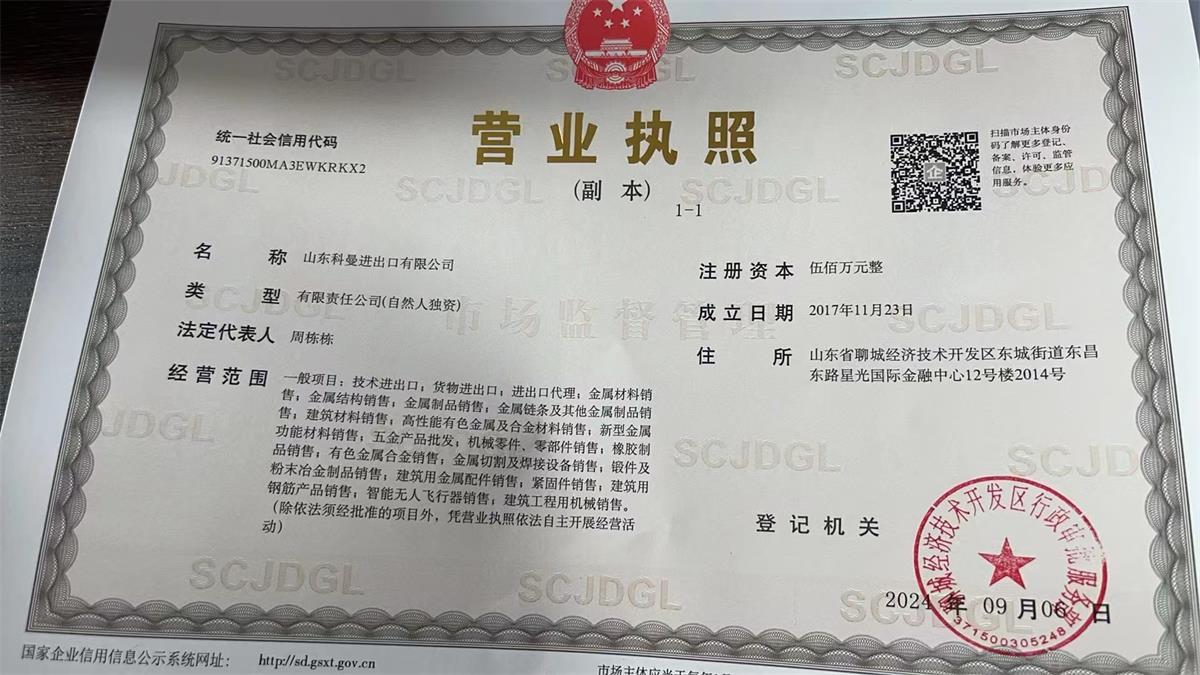
Address:Shandong Keman Import and Export Co., Ltd.

Why A128 X120Mn13 Manganese Plates Are Essential for Modern Metallurgy
Release time:
2025-06-26
Why A128 X120Mn13 Manganese Plates Are Essential for Modern Metallurgy Table of Contents Introduction to A128 X120Mn13 Manganese Plates Unique Properties of A128 X120Mn13 Manganese Plates Applications in Various Industries Key Benefits of Using Manganese Plates Manufacturing Process of A128 X120Mn13 Plates Comparison with Other Metallurgical Materials The Future of Man
Why A128 X120Mn13 Manganese Plates Are Essential for Modern Metallurgy
Table of Contents
- Introduction to A128 X120Mn13 Manganese Plates
- Unique Properties of A128 X120Mn13 Manganese Plates
- Applications in Various Industries
- Key Benefits of Using Manganese Plates
- Manufacturing Process of A128 X120Mn13 Plates
- Comparison with Other Metallurgical Materials
- The Future of Manganese Plates in Metallurgy
- Frequently Asked Questions
- Conclusion
Introduction to A128 X120Mn13 Manganese Plates
In the realm of metallurgy, the demand for advanced materials that enhance productivity and efficiency is ever-increasing. One such material that has gained significant traction is the **A128 X120Mn13 manganese plate**. Known for its exceptional hardness and durability, this alloy is designed to withstand severe wear and impact. It plays a pivotal role in numerous applications, ranging from construction to mining, making it a critical component in modern industrial practices.
Unique Properties of A128 X120Mn13 Manganese Plates
A128 X120Mn13 manganese plates are characterized by their high manganese content, typically around 12-14%, which contributes to their remarkable properties. Here are some of the key features that set these plates apart:
High Hardness and Toughness
The unique chemistry of A128 X120Mn13 allows it to achieve hardness levels of up to 550 Brinell. This hardness is instrumental in providing resistance to abrasion and wear, further enhanced through work-hardening during service.
Excellent Impact Resistance
These manganese plates exhibit outstanding toughness, allowing them to absorb energy during impact without fracturing. This property makes them ideal for applications where sudden impacts are common, such as in mining equipment and machinery.
Work-Hardening Ability
One of the most significant advantages of A128 X120Mn13 is its ability to harden under stress. As the surface is subjected to wear, the material becomes harder, thus extending its lifespan and reducing the frequency of replacements.
Corrosion Resistance
While primarily known for its wear resistance, A128 X120Mn13 also offers a degree of corrosion resistance, making it suitable for various environments where moisture or chemicals might be present.
Applications in Various Industries
The diverse properties of A128 X120Mn13 manganese plates enable their use in numerous industries. Below are some prominent applications:
Mining and Quarrying
In the mining and quarrying industries, these manganese plates are utilized in the manufacture of heavy-duty equipment, including dump trucks, crushers, and screen plates. Their ability to withstand harsh conditions ensures the longevity of these critical components.
Construction and Infrastructure
Construction projects often require materials that can endure harsh environments and heavy traffic. A128 X120Mn13 plates are commonly used in the production of structural beams, chutes, and other components that require enhanced durability.
Agriculture
In agricultural machinery, these plates are used in parts subjected to wear and tear, such as plow shares and tillers. The high durability significantly reduces maintenance costs and downtime.
Railway and Transportation
Manganese plates are also employed in rail and transportation infrastructure. They provide the necessary strength and durability for rail tracks, bridges, and other transport structures.
Key Benefits of Using Manganese Plates
Investing in A128 X120Mn13 manganese plates offers numerous **benefits** that can greatly enhance operational efficiency and reduce costs:
Longevity and Cost-Effectiveness
Due to their excellent wear resistance and work-hardening capabilities, A128 X120Mn13 plates exhibit a significantly longer service life compared to conventional materials. This longevity translates to reduced replacement and maintenance costs, making them a cost-effective choice.
Enhanced Performance
By utilizing these plates, industries can improve the performance of their machinery and equipment. The superior impact resistance and toughness contribute to better operational efficiency and reduced downtime.
Versatility
The adaptability of A128 X120Mn13 manganese plates allows them to be tailored to various applications. Their ability to withstand extreme conditions makes them suitable for a wide range of industries.
Environmental Considerations
Using durable materials like manganese plates can contribute to sustainability efforts by reducing waste from frequent replacements. Their long lifespan lessens the need for new raw materials, thus minimizing environmental impact.
Manufacturing Process of A128 X120Mn13 Plates
The production of **A128 X120Mn13 manganese plates** involves several stages to ensure the material meets the desired specifications:
Raw Material Selection
High-quality raw materials are essential for producing A128 X120Mn13 plates. The selection of premium manganese and other alloying elements ensures optimal performance.
Melting and Casting
The manufacturing process begins with melting the selected materials in a furnace. The molten alloy is then cast into molds to form the desired plate thickness and size.
Heat Treatment
Post-casting, the plates undergo heat treatment to enhance their mechanical properties. This process involves heating and cooling cycles that improve hardness and toughness.
Quality Control
Rigorous quality control measures are implemented throughout the manufacturing process. This includes testing for hardness, tensile strength, and impact resistance to ensure the plates meet industry standards.
Comparison with Other Metallurgical Materials
When comparing A128 X120Mn13 manganese plates with other materials, their distinctive advantages become evident:
Manganese Plates vs. Carbon Steel
While carbon steel is widely used, it lacks the high wear resistance and toughness found in manganese plates. This makes A128 X120Mn13 a superior choice for applications requiring enhanced durability.
Manganese Plates vs. Alloy Steel
Alloy steels offer strength, but often at the expense of wear resistance. A128 X120Mn13 combines both qualities, making it an ideal solution for heavy-duty applications.
Manganese Plates vs. Stainless Steel
Stainless steel is known for its corrosion resistance but is often less tough than manganese plates. For applications where abrasion is a concern, A128 X120Mn13 is preferable.
The Future of Manganese Plates in Metallurgy
As industries continue to evolve, the need for materials that can withstand increasingly demanding conditions will grow. A128 X120Mn13 manganese plates will likely see expanded applications across sectors, particularly as technology advances. The ongoing development of new alloys and manufacturing techniques may yield even more improved versions, further solidifying their role in modern metallurgy.
Frequently Asked Questions
1. What is the primary use of A128 X120Mn13 manganese plates?
The primary use of A128 X120Mn13 manganese plates is in applications requiring high wear resistance and toughness, such as mining, construction, and agricultural machinery.
2. How do manganese plates work harden?
Manganese plates work harden when subjected to impact or abrasion, increasing their hardness and wear resistance over time as the surface undergoes deformation.
3. Are A128 X120Mn13 plates suitable for high-temperature applications?
Yes, A128 X120Mn13 plates can withstand high temperatures, but their specific performance will depend on the application and operational conditions.
4. How do I maintain manganese plates in industrial applications?
Regular inspections and cleaning can help maintain manganese plates. Additionally, addressing wear and tear promptly can extend their service life.
5. What is the difference between A128 X120Mn13 and other manganese alloys?
A128 X120Mn13 is specifically formulated for high wear resistance and impact toughness, making it suitable for heavy-duty applications, while other manganese alloys may offer different properties based on their composition.
Conclusion
A128 X120Mn13 manganese plates stand out as a cornerstone in modern metallurgy, providing unparalleled durability and performance across various industries. Their unique properties, versatile applications, and long-term benefits establish them as essential materials for any industrial operation. As the industry continues to demand higher efficiency and reliability, the importance of A128 X120Mn13 manganese plates will only grow, solidifying their place in the future of metallurgy. Embracing these advanced materials will undoubtedly lead to improved operational practices, ensuring businesses remain competitive in an ever-evolving market.
Latest News
Innovative Applications of Carbon Steel Plates in Building Designs
Innovative Applications of Carbon Steel Plates in Building Designs Carbon steel plates have emerged as a cornerstone material in the construction industry, gaining acclaim for their versatility, strength, and aesthetic potential. As the demand for innovative design solutions escalates, architects and builders are increasingly incorporating carbon steel plates into their projects. This article expl
2026-09-22
Understanding A514 Carbon Steel Plate: Key Characteristics and Applications
A514 Carbon Steel Plate is a high-yield strength steel that has become a preferred choice in various industrial applications, particularly in the fields of metallurgy and energy. This type of steel is known for its excellent mechanical properties, making it suitable for demanding environments where strength and durability are paramount. One of the key characteristics of A514 Carbon Steel Plate is
2026-09-17
How A387 Carbon Alloy Steel Plate Enhances Structural Integrity in Construction
How A387 Carbon Alloy Steel Plate Enhances Structural Integrity in Construction Table of Contents 1. Introduction to A387 Carbon Alloy Steel Plate 2. What is A387 Carbon Alloy Steel? 3. Key Properties of A387 Carbon Alloy Steel Plates 4. Manufacturing Process of A387 Steel Plates 5. Applications of A387 Carbon Alloy Steel Plates 6. Advantages of Using A387 Carbon Alloy Ste
2026-09-12
Understanding A285 Carbon Steel Pressure Plates: Essential Insights for Construction and Design
A285 Carbon Steel Pressure Plates are primarily used in pressure vessel fabrication and construction applications. This type of steel is known for its good weldability and formability, making it a favorable choice for various structural components. The ASTM A285 standard specifically governs the specifications for carbon steel plates intended for low-pressure service. One of the key characteristic
2026-09-07
The Role of 5A05 Aluminum Plate in Enhancing Building Aesthetics
The Role of 5A05 Aluminum Plate in Enhancing Building Aesthetics Table of Contents 1. Introduction to 5A05 Aluminum Plates 2. Properties of 5A05 Aluminum Plates 3. Applications of 5A05 Aluminum Plates in Architecture 4. Aesthetic Advantages of Using 5A05 Aluminum Plates 5. Sustainability and Environmental Impact 6. Installation and Maintenance of 5A05 Aluminum Plates 7
2026-09-02
Understanding B500 Steel Reinforcement: Key Insights for Professionals in Construction Machinery
B500 steel reinforcement is a critical component in the construction industry, particularly in manufacturing and processing machinery for engineering and construction projects. This high-strength steel bar is widely used in reinforced concrete structures, providing the necessary tensile strength to support heavy loads and withstand various stresses. One of the defining characteristics of B500 stee
2026-08-28


Copyright 2025 : Shandong Keman Import and Export Co., Ltd. Powered by:CEglobal SEO BUSINESS LICENSE