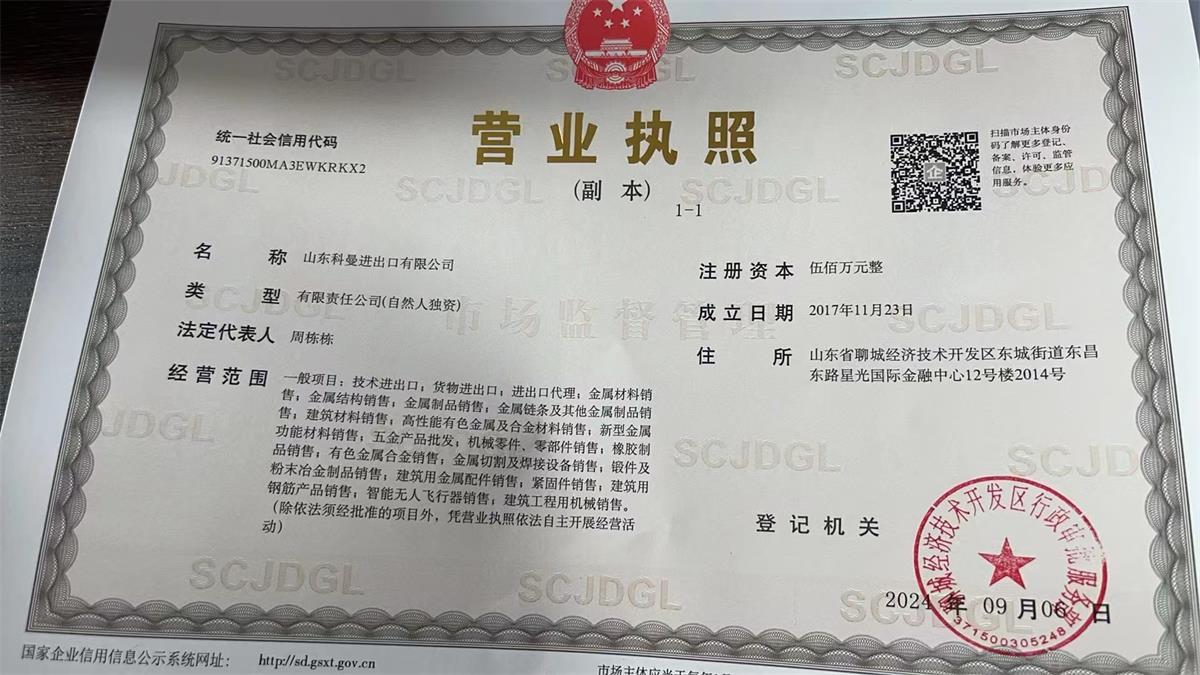
Address:Shandong Keman Import and Export Co., Ltd.

Understanding A285 Carbon Steel Pressure Plates: A Comprehensive Guide
Release time:
2025-07-02
Understanding A285 Carbon Steel Pressure Plates: A Comprehensive Guide Table of Contents 1. Introduction to A285 Carbon Steel 2. Key Properties of A285 Carbon Steel Pressure Plates 2.1 Mechanical Properties 2.2 Chemical Composition 3. Applications of A285 Carbon Steel Pressure Plates 4. Manufacturing Standards for A285 Pressure Plates
Understanding A285 Carbon Steel Pressure Plates: A Comprehensive Guide
Table of Contents
- 1. Introduction to A285 Carbon Steel
- 2. Key Properties of A285 Carbon Steel Pressure Plates
- 3. Applications of A285 Carbon Steel Pressure Plates
- 4. Manufacturing Standards for A285 Pressure Plates
- 5. Selecting the Right A285 Pressure Plate
- 6. Proper Maintenance of A285 Pressure Plates
- 7. Common Issues and Troubleshooting
- 8. Frequently Asked Questions
- 9. Conclusion
1. Introduction to A285 Carbon Steel
A285 carbon steel is a versatile material often used in constructing pressure vessels and structural components. It comprises low to medium carbon steel, which provides excellent weldability and machinability. A285 is particularly suitable for applications where high strength and toughness are not primary requirements. This guide aims to delve into the properties, applications, and best practices for working with A285 carbon steel pressure plates.
2. Key Properties of A285 Carbon Steel Pressure Plates
Understanding the key properties of A285 carbon steel is essential for engineers, manufacturers, and construction professionals. This section explores both mechanical and chemical properties that define A285 pressure plates.
2.1 Mechanical Properties
The mechanical properties of A285 carbon steel pressure plates include yield strength, tensile strength, elongation, and hardness. These characteristics play a crucial role in determining how the plates will perform under various loads and conditions.
- **Yield Strength**: Typically around 205 MPa (30 ksi).
- **Tensile Strength**: Approximately 275 MPa to 350 MPa (40-50 ksi).
- **Elongation**: A standard elongation of about 20% in 50 mm (2 in) indicates good ductility.
- **Hardness**: Usually falls within the range of 120-170 HB (Brinell hardness).
These properties make A285 carbon steel suitable for manufacturing pressure plates, ensuring they can withstand moderate pressure without deforming.
2.2 Chemical Composition
The chemical composition of A285 carbon steel significantly affects its performance. The primary elements found in A285 include:
- **Carbon (C)**: 0.09% - 0.20%
- **Manganese (Mn)**: 0.60% - 1.35%
- **Phosphorus (P)**: Maximum 0.04%
- **Sulfur (S)**: Maximum 0.05%
- **Iron (Fe)**: Balance
Understanding this composition helps professionals assess the suitability of A285 for specific applications.
3. Applications of A285 Carbon Steel Pressure Plates
A285 carbon steel pressure plates are widely used in various industries due to their versatile nature. Some common applications include:
- **Pressure Vessels**: Used in chemical and petrochemical industries for constructing pressure vessels.
- **Storage Tanks**: Ideal for manufacturing storage tanks that require moderate pressure resistance.
- **Structural Components**: Often used as structural components in buildings and bridges where weight considerations are important.
- **Heat Exchangers**: Employed in the construction of heat exchangers due to good thermal conductivity.
These applications highlight the adaptability of A285 carbon steel pressure plates across different sectors.
4. Manufacturing Standards for A285 Pressure Plates
Adhering to manufacturing standards is crucial for ensuring the quality and safety of A285 pressure plates. The most relevant standards include:
- **ASTM A285**: Specifies the requirements for pressure vessel plates.
- **ASTM A36**: Often used for carbon structural steel plates.
- **ASME Section VIII**: Provides guidelines for the design and construction of pressure vessels.
Understanding these standards helps manufacturers comply with regulations and produce high-quality products.
5. Selecting the Right A285 Pressure Plate
Choosing the right A285 pressure plate involves several critical criteria:
- **Thickness**: Assess the pressure and temperature conditions to determine the appropriate thickness.
- **Grade**: A285 comes in different grades (A, B, and C), each suitable for specific applications. Understand the requirements of your project to select the correct grade.
- **Forming and Welding**: Consider the necessary forming and welding techniques, as not all grades may be suitable for all types of welding.
- **Cost**: Budget constraints can affect selection. Compare prices while ensuring quality standards are met.
Evaluating these factors ensures the selection of the optimal A285 carbon steel pressure plate for specific applications.
6. Proper Maintenance of A285 Pressure Plates
Maintaining A285 carbon steel pressure plates is essential for longevity and performance:
- **Regular Inspections**: Conduct routine inspections for signs of wear, corrosion, or deformation.
- **Proper Storage**: Store plates in a dry environment to prevent rust and corrosion.
- **Cleaning**: Regularly clean the plates to remove contaminants that may lead to deterioration.
Implementing these maintenance practices can significantly extend the lifespan of A285 pressure plates.
7. Common Issues and Troubleshooting
While A285 carbon steel pressure plates are durable, they can encounter issues:
- **Corrosion**: This is a common challenge. Implement protective coatings to combat this.
- **Welding Defects**: Issues such as porosity or cracking can arise during welding. Proper techniques and pre-weld preparations can mitigate these problems.
- **Deformation Under Pressure**: Ensure that the selected thickness and grade align with application requirements to prevent deformation.
Understanding these common issues enables proactive management and troubleshooting.
8. Frequently Asked Questions
1. What are the primary uses of A285 carbon steel pressure plates?
A285 pressure plates are primarily used in pressure vessels, storage tanks, and structural applications where moderate strength is needed.
2. How do I determine the correct thickness for A285 pressure plates?
Thickness should be based on the specific pressure and temperature requirements of the application. Consulting engineering specifications is advisable.
3. Is A285 suitable for welding?
Yes, A285 is known for its excellent weldability, making it a preferred choice for many applications that require welding.
4. How do I maintain A285 carbon steel pressure plates?
Regular inspections, proper storage to prevent corrosion, and cleaning to remove debris are essential maintenance practices.
5. What are the differences between A285 grades?
The primary differences among A285 grades (A, B, and C) are in their chemical composition and mechanical properties, which affect their suitability for different applications.
9. Conclusion
Understanding A285 carbon steel pressure plates is essential for professionals in the construction and manufacturing industries. This guide has detailed the properties, applications, and best practices associated with these critical components. By selecting the right A285 pressure plates and implementing proper maintenance techniques, you can ensure their reliability and effectiveness in various applications. Whether you're involved in designing pressure vessels, storage tanks, or structural projects, the insights provided here will empower you to make informed decisions in your work with A285 carbon steel pressure plates.
Latest News
Innovative Applications of Carbon Steel Plates in Building Designs
Innovative Applications of Carbon Steel Plates in Building Designs Carbon steel plates have emerged as a cornerstone material in the construction industry, gaining acclaim for their versatility, strength, and aesthetic potential. As the demand for innovative design solutions escalates, architects and builders are increasingly incorporating carbon steel plates into their projects. This article expl
2026-09-22
Understanding A514 Carbon Steel Plate: Key Characteristics and Applications
A514 Carbon Steel Plate is a high-yield strength steel that has become a preferred choice in various industrial applications, particularly in the fields of metallurgy and energy. This type of steel is known for its excellent mechanical properties, making it suitable for demanding environments where strength and durability are paramount. One of the key characteristics of A514 Carbon Steel Plate is
2026-09-17
How A387 Carbon Alloy Steel Plate Enhances Structural Integrity in Construction
How A387 Carbon Alloy Steel Plate Enhances Structural Integrity in Construction Table of Contents 1. Introduction to A387 Carbon Alloy Steel Plate 2. What is A387 Carbon Alloy Steel? 3. Key Properties of A387 Carbon Alloy Steel Plates 4. Manufacturing Process of A387 Steel Plates 5. Applications of A387 Carbon Alloy Steel Plates 6. Advantages of Using A387 Carbon Alloy Ste
2026-09-12
Understanding A285 Carbon Steel Pressure Plates: Essential Insights for Construction and Design
A285 Carbon Steel Pressure Plates are primarily used in pressure vessel fabrication and construction applications. This type of steel is known for its good weldability and formability, making it a favorable choice for various structural components. The ASTM A285 standard specifically governs the specifications for carbon steel plates intended for low-pressure service. One of the key characteristic
2026-09-07
The Role of 5A05 Aluminum Plate in Enhancing Building Aesthetics
The Role of 5A05 Aluminum Plate in Enhancing Building Aesthetics Table of Contents 1. Introduction to 5A05 Aluminum Plates 2. Properties of 5A05 Aluminum Plates 3. Applications of 5A05 Aluminum Plates in Architecture 4. Aesthetic Advantages of Using 5A05 Aluminum Plates 5. Sustainability and Environmental Impact 6. Installation and Maintenance of 5A05 Aluminum Plates 7
2026-09-02
Understanding B500 Steel Reinforcement: Key Insights for Professionals in Construction Machinery
B500 steel reinforcement is a critical component in the construction industry, particularly in manufacturing and processing machinery for engineering and construction projects. This high-strength steel bar is widely used in reinforced concrete structures, providing the necessary tensile strength to support heavy loads and withstand various stresses. One of the defining characteristics of B500 stee
2026-08-28


Copyright 2025 : Shandong Keman Import and Export Co., Ltd. Powered by:CEglobal SEO BUSINESS LICENSE