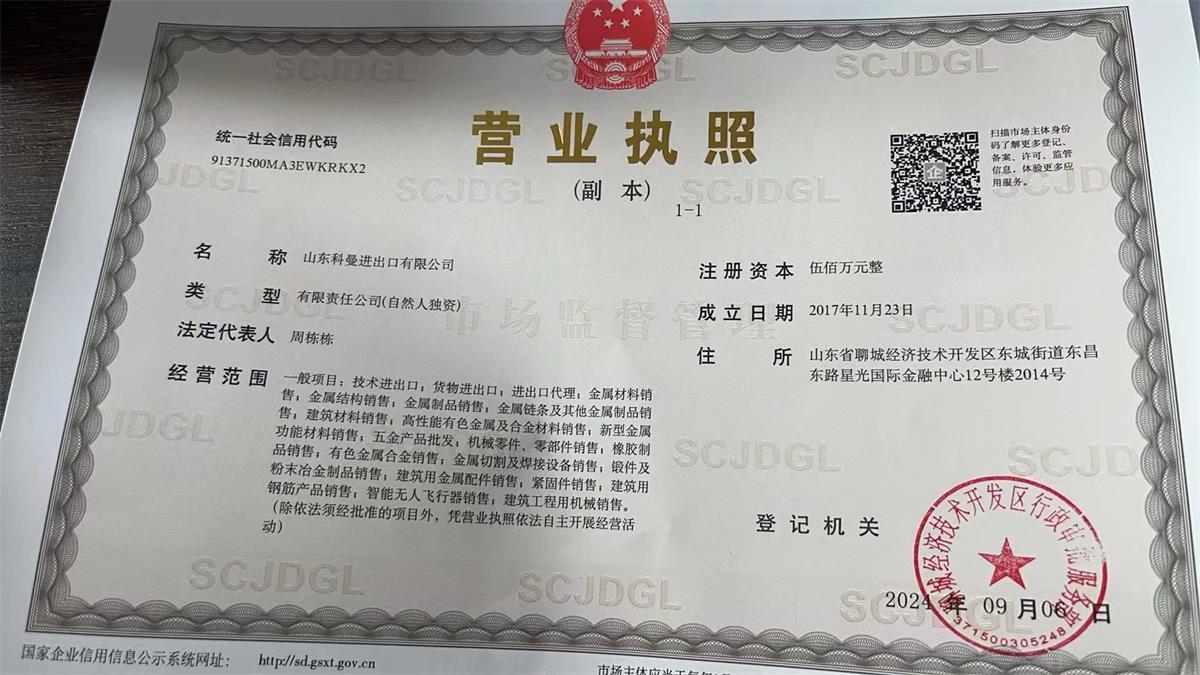
Address:Shandong Keman Import and Export Co., Ltd.

The Marvelous World of Steel: Strength, Versatility, and Beyond
Release time:
2025-07-18
Discover the fascinating properties and uses of steel, the backbone of modern civilization.
The Marvelous World of Steel
Ah, steel! This remarkable metal has been a cornerstone of human innovation for centuries. From skyscrapers that touch the clouds to the tiniest surgical instruments, steel is everywhere, holding our world together in ways we often take for granted.
What Exactly is Steel?
In simple terms, steel is an alloy primarily made of iron and a hint of carbon, typically less than 2%. But don’t let that simplicity fool you; the addition of carbon enhances iron's natural strength and durability, making it a superhero in the realm of materials. This versatile metal can be molded, shaped, and utilized in countless ways, proving its worth in multiple industries.
A Brief History of Steel
Jumping back in time, the first known use of steel dates back to around 1800 BC in Anatolia, now modern-day Turkey. The ancient Hittites were the pioneers, crafting tools and weapons that changed the game. Fast forward a few millennia, and you’ve got the Industrial Revolution kicking into gear, where steel truly took center stage. Suddenly, it was all about railways, bridges, and buildings that defied gravity.
Why is Steel So Popular?
Well, let’s break it down:
- Strength: Steel is incredibly strong, making it a go-to choice for construction and manufacturing.
- Versatility: From stainless steel used in kitchenware to mild steel for construction, there’s a type for every need.
- Recyclability: Steel is 100% recyclable without a loss of quality, which is a win-win for the environment.
With these qualities, it’s no wonder steel has earned its reputation as the backbone of modern civilization.
Types of Steel: More Than Meets the Eye
Believe it or not, not all steel is created equal! Here are a few notable types:
- Carbon Steel: The most common type, used in everything from car parts to construction.
- Alloy Steel: This includes other elements like nickel and chromium to enhance performance.
- Stainless Steel: Known for its resistance to corrosion, making it ideal for kitchenware and medical instruments.
- Tool Steel: As the name suggests, it’s used for making tools due to its hardness.
Each type has its unique properties and uses, which makes steel an incredibly adaptable material.
The Future of Steel
So, what’s next for steel? With advancements in technology, the future looks bright. Innovations like high-strength steel are paving the way for lighter, more efficient structures, while sustainable practices are ensuring that recycling steel remains a priority. Plus, the rise of green steel—produced with lower carbon emissions—is set to revolutionize the industry.
Conclusion: Steel is Here to Stay!
In conclusion, steel is not just a metal; it’s a vital part of our lives. Whether you’re driving a car, living in a home, or even using a smartphone, steel is likely playing a role. So next time you encounter this mighty material, take a moment to appreciate its strength and versatility. It truly is the unsung hero of our modern world!
Latest News
A Comprehensive Guide to A285 Carbon Steel Pressure Plates in Construction
A285 Carbon Steel Pressure Plates are widely used in various construction applications due to their unique properties and structural integrity. These plates are made from low carbon steel, which provides them with excellent weldability and formability, making them ideal for use in pressure vessels and structural components. One of the key characteristics of A285 Carbon Steel is its ability to with
2026-11-20
Durability and Strength: The Key Features of 5A05 Aluminum Plate
Understanding 5A05 Aluminum Plate: An Overview In the competitive landscape of building materials, the 5A05 aluminum plate stands out due to its impressive durability and strength. This alloy, part of the 5xxx series, is renowned for its high resistance to corrosion and excellent weldability. Given its unique characteristics, it is widely utilized in various sectors, including construction, mari
2026-11-15
Understanding B500 Steel Reinforcement: Key Insights for Manufacturing and Construction
B500 steel reinforcement is a crucial component in the construction and manufacturing sectors, particularly within engineering and building projects. As a high-strength reinforcing steel, B500 offers a combination of durability, flexibility, and resistance to environmental factors, making it an ideal choice for various applications. Understanding its properties and uses is essential for profession
2026-11-10
How Tin Plated Coil Revolutionizes Modern Construction Techniques
How Tin Plated Coil Revolutionizes Modern Construction Techniques Table of Contents 1. Introduction to Tin Plated Coils 2. The Unique Properties of Tin Plated Steel 3. Why Tin Plated Coils Are Essential in Modern Construction 3.1. Enhanced Corrosion Resistance 3.2. Lightweight Yet Durable 3.3. Superior Aesthetic Appeal 4. Applications of Tin Plated Coils in Construction 4.1. Roofing Systems 4.2. W
2026-10-12
Understanding Inconel Alloy Plates: Properties, Applications, and Benefits
Inconel alloy plates are specialized materials that play a critical role in various industries, particularly in metallurgy, mining, and energy sectors. Known for their exceptional resistance to extreme environments, Inconel alloys primarily consist of nickel along with chromium and iron, which contribute to their unique properties. These plates offer a range of benefits, making them suitable for d
2026-10-07
Hastelloy Alloy Plate: The Ultimate Solution for Extreme Environmental Conditions
Hastelloy Alloy Plate: A Solution for Extreme Conditions In today's world, where industries demand materials that can withstand extreme conditions, Hastelloy alloy plates emerge as a vital solution. Known for their remarkable resistance to corrosion and heat, these alloys are indispensable in various applications, from chemical processing to aerospace engineering. Understanding Hastelloy Alloy
2026-10-02


Copyright 2025 : Shandong Keman Import and Export Co., Ltd. Powered by:CEglobal SEO BUSINESS LICENSE