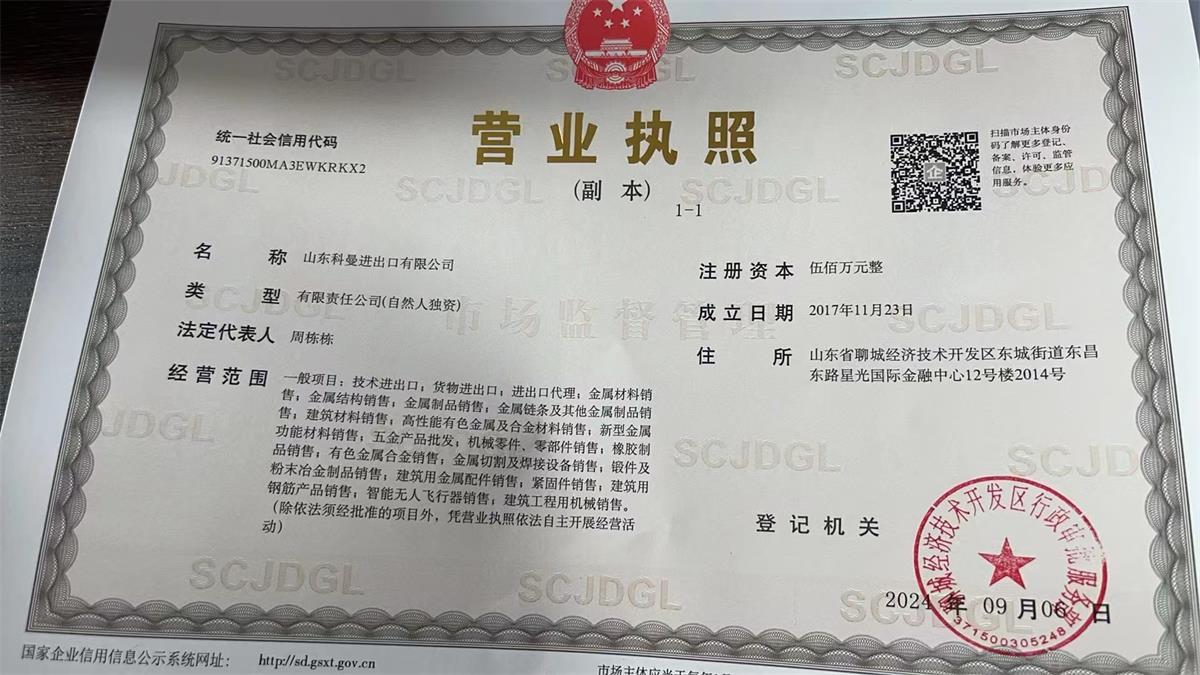
Address:Shandong Keman Import and Export Co., Ltd.

How A285 Carbon Steel Pressure Plates Enhance Structural Integrity
Release time:
2025-09-11
How A285 Carbon Steel Pressure Plates Enhance Structural Integrity Table of Contents Introduction to A285 Carbon Steel Pressure Plates What is A285 Carbon Steel? Properties of A285 Carbon Steel Pressure Plates Applications of A285 Pressure Plates in Construction Benefits of Using A285 Carbon Steel Pressure Plates A285 vs Other Steel Grades: A Comparison Maintenance and Care for A2
How A285 Carbon Steel Pressure Plates Enhance Structural Integrity
Table of Contents
- Introduction to A285 Carbon Steel Pressure Plates
- What is A285 Carbon Steel?
- Properties of A285 Carbon Steel Pressure Plates
- Applications of A285 Pressure Plates in Construction
- Benefits of Using A285 Carbon Steel Pressure Plates
- A285 vs Other Steel Grades: A Comparison
- Maintenance and Care for A285 Pressure Plates
- Conclusion
- FAQs
Introduction to A285 Carbon Steel Pressure Plates
In the realm of construction and structural engineering, the choice of materials significantly impacts the overall integrity and durability of a building or structure. Among these materials, **A285 carbon steel pressure plates** stand out due to their exceptional properties and versatility. Designed to withstand high pressure and stress, these plates are integral for various applications, particularly in the construction of pressure vessels, tanks, and industrial structures.
What is A285 Carbon Steel?
A285 carbon steel is a low-alloy steel primarily used in pressure vessel applications. It is categorized under the ASTM A285 specification, which outlines the requirements for pressure vessel plates made from carbon steel. The steel is characterized by its ability to maintain structural integrity under pressure, making it ideal for applications that involve heat and pressure.
The A285 grade is often produced in three different grades: A, B, and C, each with varying yield strengths and mechanical properties. These specifications ensure that the steel can accommodate the demands of different environments and applications while maintaining safety and durability.
Properties of A285 Carbon Steel Pressure Plates
A285 carbon steel pressure plates exhibit several properties that contribute to their effectiveness in various applications:
1. Strength and Durability
The pressure plates are manufactured to provide a balance of strength and ductility, ensuring they can endure significant stress without compromising structural integrity. The yield strength of A285 carbon steel typically ranges from 38,000 to 60,000 psi, depending on the grade.
2. Corrosion Resistance
Although A285 carbon steel is not inherently corrosion-resistant, it can be treated with various coatings to enhance its durability in corrosive environments. This adaptability makes it suitable for a wide range of applications, including those exposed to moisture and chemicals.
3. Weldability
A285 plates can be easily welded, allowing for seamless integration within structural frameworks. This feature simplifies the construction process and contributes to the overall strength of the final structure.
4. Heat Resistance
The steel's ability to withstand high temperatures makes it ideal for use in applications involving heat transfer, such as pressure vessels and boiler systems.
Applications of A285 Pressure Plates in Construction
A285 carbon steel pressure plates are utilized across various sectors, including construction, manufacturing, and energy. Some common applications include:
1. Pressure Vessels
Pressure vessels are perhaps the most significant application for A285 pressure plates. These vessels are designed to hold gases or liquids at high pressures, making the strength and durability of the materials used critical.
2. Storage Tanks
In the petrochemical industry, A285 plates are commonly used in the construction of storage tanks that hold various liquids, including fuels and chemicals. The plates ensure the tanks can withstand the internal pressure exerted by the contents.
3. Heat Exchangers
In heat exchange systems, A285 carbon steel plates are employed due to their heat resistance and ability to conduct thermal energy efficiently.
4. Boiler Components
Components within boiler systems, which require materials that can tolerate high temperatures and pressures, often utilize A285 carbon steel plates to ensure reliability and safety.
Benefits of Using A285 Carbon Steel Pressure Plates
Choosing A285 carbon steel pressure plates offers several advantages:
1. Cost-Effectiveness
Compared to higher-grade steels, A285 carbon steel is relatively affordable, making it an attractive choice for budget-conscious projects without compromising on quality.
2. Versatility in Applications
The adaptability of A285 plates allows for use in various applications, catering to the diverse needs of the construction and manufacturing industries.
3. Enhanced Structural Integrity
The inclusion of A285 carbon steel pressure plates in construction contributes significantly to the overall structural integrity, ensuring that buildings and equipment can withstand operational demands.
4. Ease of Fabrication
The workability of A285 carbon steel allows for easy cutting, shaping, and welding, simplifying the fabrication process and reducing labor costs.
A285 vs Other Steel Grades: A Comparison
When evaluating materials for construction, understanding the differences between A285 and other steel grades is essential. Here is a comparison:
1. A285 vs A36 Steel
A36 steel is a low-carbon steel known for its excellent weldability and machinability. While A36 is suitable for structural applications, A285 has superior pressure resistance, making it a better choice for pressure vessels.
2. A285 vs A572 Steel
A572 steel is a high-strength, low-alloy steel. Although it offers improved yield strength compared to A285, it may not be necessary for all applications. A285 is often preferred in instances where cost and ease of fabrication are prioritized.
3. A285 vs A516 Steel
A516 steel is another carbon steel grade commonly used for pressure vessels, known for its higher tensile strength. While A516 is often more expensive, A285 is suitable for less demanding applications, providing a balance between performance and cost.
Maintenance and Care for A285 Pressure Plates
Proper maintenance is crucial for prolonging the lifespan of A285 carbon steel pressure plates. Here are some key practices:
1. Regular Inspections
Conduct routine inspections of structures and components to identify any signs of wear, corrosion, or damage. Early detection allows for timely repairs and maintenance.
2. Protective Coatings
Applying protective coatings can enhance the corrosion resistance of A285 plates, especially in environments prone to moisture and chemicals.
3. Proper Handling
During transportation and installation, ensure that the plates are handled carefully to avoid physical damage. Use appropriate lifting equipment and techniques.
4. Cleaning and Maintenance
Regular cleaning of the plates helps remove contaminants that could lead to corrosion. Use mild detergents and avoid abrasive materials that could scratch the surface.
Conclusion
A285 carbon steel pressure plates are indispensable components in modern construction and industrial applications. Their unique properties, including strength, weldability, and cost-effectiveness, make them a preferred choice for a myriad of applications, particularly in pressure vessels and storage tanks. By understanding their benefits and proper maintenance practices, industry professionals can ensure that A285 pressure plates contribute effectively to structural integrity and longevity.
FAQs
1. What industries commonly use A285 carbon steel pressure plates?
A285 carbon steel pressure plates are primarily used in industries such as petrochemicals, power generation, and manufacturing, particularly in the construction of pressure vessels and storage tanks.
2. How does A285 compare to stainless steel for pressure applications?
While A285 offers excellent strength and is cost-effective, stainless steel provides superior corrosion resistance. The choice between them depends on the specific application requirements.
3. Can A285 carbon steel be used in high-temperature applications?
Yes, A285 carbon steel is suitable for high-temperature applications, but it is essential to assess the specific temperature limits and operational conditions.
4. What is the difference between A285 grades A, B, and C?
The primary difference lies in their mechanical properties and yield strengths. Grade A has the lowest yield strength, while Grade C has the highest, making it suitable for more demanding applications.
5. How can I improve the corrosion resistance of A285 pressure plates?
Applying protective coatings, such as paint or galvanization, can significantly enhance the corrosion resistance of A285 carbon steel pressure plates, especially in harsh environments.
Latest News
Innovative Applications of Carbon Steel Plates in Building Designs
Innovative Applications of Carbon Steel Plates in Building Designs Carbon steel plates have emerged as a cornerstone material in the construction industry, gaining acclaim for their versatility, strength, and aesthetic potential. As the demand for innovative design solutions escalates, architects and builders are increasingly incorporating carbon steel plates into their projects. This article expl
2026-09-22
Understanding A514 Carbon Steel Plate: Key Characteristics and Applications
A514 Carbon Steel Plate is a high-yield strength steel that has become a preferred choice in various industrial applications, particularly in the fields of metallurgy and energy. This type of steel is known for its excellent mechanical properties, making it suitable for demanding environments where strength and durability are paramount. One of the key characteristics of A514 Carbon Steel Plate is
2026-09-17
How A387 Carbon Alloy Steel Plate Enhances Structural Integrity in Construction
How A387 Carbon Alloy Steel Plate Enhances Structural Integrity in Construction Table of Contents 1. Introduction to A387 Carbon Alloy Steel Plate 2. What is A387 Carbon Alloy Steel? 3. Key Properties of A387 Carbon Alloy Steel Plates 4. Manufacturing Process of A387 Steel Plates 5. Applications of A387 Carbon Alloy Steel Plates 6. Advantages of Using A387 Carbon Alloy Ste
2026-09-12
Understanding A285 Carbon Steel Pressure Plates: Essential Insights for Construction and Design
A285 Carbon Steel Pressure Plates are primarily used in pressure vessel fabrication and construction applications. This type of steel is known for its good weldability and formability, making it a favorable choice for various structural components. The ASTM A285 standard specifically governs the specifications for carbon steel plates intended for low-pressure service. One of the key characteristic
2026-09-07
The Role of 5A05 Aluminum Plate in Enhancing Building Aesthetics
The Role of 5A05 Aluminum Plate in Enhancing Building Aesthetics Table of Contents 1. Introduction to 5A05 Aluminum Plates 2. Properties of 5A05 Aluminum Plates 3. Applications of 5A05 Aluminum Plates in Architecture 4. Aesthetic Advantages of Using 5A05 Aluminum Plates 5. Sustainability and Environmental Impact 6. Installation and Maintenance of 5A05 Aluminum Plates 7
2026-09-02
Understanding B500 Steel Reinforcement: Key Insights for Professionals in Construction Machinery
B500 steel reinforcement is a critical component in the construction industry, particularly in manufacturing and processing machinery for engineering and construction projects. This high-strength steel bar is widely used in reinforced concrete structures, providing the necessary tensile strength to support heavy loads and withstand various stresses. One of the defining characteristics of B500 stee
2026-08-28


Copyright 2025 : Shandong Keman Import and Export Co., Ltd. Powered by:CEglobal SEO BUSINESS LICENSE