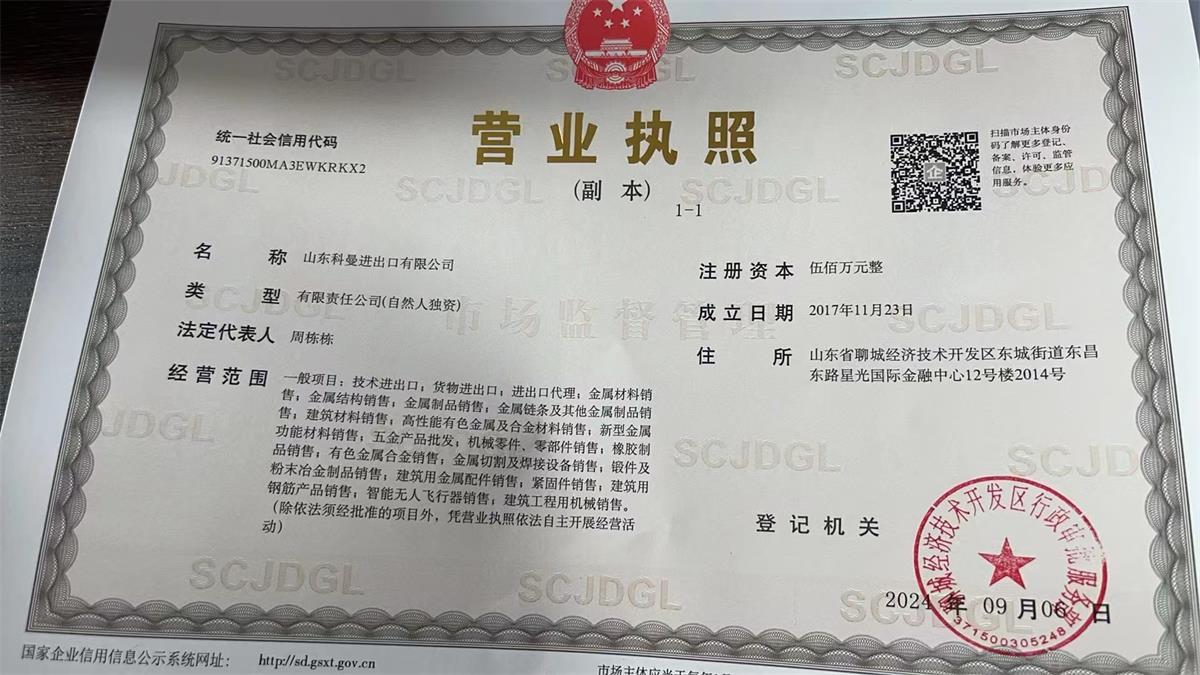
Address:Shandong Keman Import and Export Co., Ltd.

Essential Uses of Carbon Steel Plates in Construction Projects
Release time:
2025-10-23
Essential Uses of Carbon Steel Plates in Construction Projects Introduction to Carbon Steel Plates in Construction In the vast landscape of construction materials, **carbon steel plates** stand out due to their versatility, strength, and durability. These plates are a staple in various construction projects, serving multiple essential functions that contribute to the structural integrity and overa
Essential Uses of Carbon Steel Plates in Construction Projects
Introduction to Carbon Steel Plates in Construction
In the vast landscape of construction materials, **carbon steel plates** stand out due to their versatility, strength, and durability. These plates are a staple in various construction projects, serving multiple essential functions that contribute to the structural integrity and overall success of building endeavors. As we move forward, we will explore the diverse applications of carbon steel plates in construction, their advantages, and much more.
Understanding Carbon Steel
Before delving into the specific uses of carbon steel plates, it's crucial to grasp what carbon steel is and how it differs from other types of steel. Carbon steel is an alloy made primarily of iron and carbon, with varying carbon content that influences its properties. Generally categorized into low, medium, and high carbon steel, each variant has distinct attributes suitable for different applications.
Types of Carbon Steel
- **Low Carbon Steel**: Contains approximately 0.05% to 0.25% carbon. This type is malleable and easy to work with, making it ideal for applications requiring formability and weldability.
- **Medium Carbon Steel**: Contains around 0.25% to 0.60% carbon. It combines moderate strength with ductility, often used in machinery and structural components.
- **High Carbon Steel**: Contains 0.60% to 1.0% or more carbon. This type boasts high hardness and strength but is less ductile, making it suitable for cutting tools and other applications requiring durability.
Why Choose Carbon Steel Plates for Construction?
The decision to use carbon steel plates in construction projects can be attributed to a variety of factors that emphasize their benefits:
1. Strength and Durability
Carbon steel plates are renowned for their strength, making them capable of supporting heavy loads in structural applications. Their durability ensures longevity, reducing the need for frequent replacements and repairs.
2. Cost-Effectiveness
Compared to other materials, carbon steel plates offer a favorable cost-to-performance ratio. They provide high strength and durability at a relatively lower price, making them an economically viable option for various construction needs.
3. Versatility in Applications
These plates are highly versatile, finding applications in multiple construction sectors, including residential, commercial, and industrial projects. Their adaptability allows for various shapes and sizes to suit specific design requirements.
4. Excellent Weldability
The weldability of carbon steel plates makes them ideal for complex constructions. They can be easily welded into place and combined with other materials, facilitating efficient construction processes.
Essential Applications of Carbon Steel Plates in Construction
Carbon steel plates serve numerous functions in construction, each critical to the overall structure and design. Here are the primary applications of carbon steel plates:
1. Structural Framework
One of the most significant uses of carbon steel plates is in creating structural frameworks for buildings. Their high tensile strength allows for the construction of beams, columns, and trusses, providing the essential support needed for various loads.
2. Foundation and Base Plates
Foundation and base plates made from carbon steel are crucial for anchoring structural elements to the ground. They distribute loads evenly, ensuring stability and reducing the risk of structural failure.
3. Roof Decking and Floor Systems
Carbon steel plates are often used in roof decking and floor systems, providing a solid and durable surface that can withstand heavy traffic and environmental stresses, including wind and rain.
4. Fabrication of Steel Components
These plates can be fabricated into a variety of components, including brackets, frames, and supports. This customization allows builders and architects to tailor solutions that meet specific project needs.
5. Reinforcement in Concrete Structures
In reinforced concrete structures, carbon steel plates enhance the tensile strength of the concrete, which is otherwise weak in tension. This combination results in robust structures capable of withstanding various forces.
6. Industrial and Commercial Applications
Beyond traditional construction, carbon steel plates find use in the manufacturing of industrial machinery, equipment, and storage systems. Their ability to withstand harsh environments makes them indispensable in various sectors.
Fabrication and Installation Techniques for Carbon Steel Plates
The effective use of carbon steel plates in construction requires precise fabrication and installation techniques. Understanding these processes is essential for ensuring the longevity and functionality of the structures built using these materials.
1. Cutting and Shaping
Carbon steel plates can be cut and shaped using various methods, including plasma cutting, laser cutting, and water jet cutting. Choosing the right technique depends on the desired precision and the complexity of the shape.
2. Welding and Joining
Welding is a common method for joining carbon steel plates. Various welding techniques, including MIG, TIG, and stick welding, can be employed based on the thickness of the plates and the specific requirements of the project.
3. Surface Treatments
To enhance the performance of carbon steel plates, surface treatments such as galvanizing, painting, or coating with protective materials can be applied. These treatments help prevent corrosion and extend the lifespan of the steel.
Environmental Considerations of Carbon Steel Plates
While carbon steel plates are an excellent choice for construction, it's essential to consider their environmental impact. Sustainable practices can enhance their positive contributions to construction projects.
1. Recyclability
One of the most significant environmental benefits of carbon steel is its recyclability. Steel can be recycled multiple times without losing its quality, reducing waste and the need for virgin materials.
2. Energy Efficiency in Production
The production of carbon steel has become more energy-efficient in recent years, with modern techniques reducing the carbon footprint associated with steel manufacturing.
3. Sustainable Construction Practices
Incorporating carbon steel plates into green building practices promotes sustainability. Their durability and strength contribute to the longevity of structures, aligning with eco-friendly construction goals.
Challenges and Solutions in Using Carbon Steel Plates
While carbon steel plates boast numerous benefits, they also come with challenges that construction professionals must navigate:
1. Corrosion Resistance
Corrosion is a significant concern for carbon steel plates, especially in humid or corrosive environments. To mitigate this risk, using protective coatings or selecting weather-resistant grades of steel is crucial.
2. Weight Considerations
The weight of carbon steel plates can pose challenges during handling and installation. Utilizing appropriate lifting equipment and planning for structural weight distribution can help address these issues.
3. Cost Fluctuations
The price of carbon steel can fluctuate based on market demands and global supply chain factors. It's essential to keep abreast of market trends and sourcing strategies to optimize costs for construction projects.
FAQs About Carbon Steel Plates in Construction
1. What are carbon steel plates used for in construction?
Carbon steel plates are primarily used for structural frameworks, foundation bases, roof decking, and various fabricated components that support buildings.
2. How do carbon steel plates compare to other steel types?
Compared to stainless steel, carbon steel plates are more cost-effective but may require additional treatment for corrosion resistance.
3. Can carbon steel plates be recycled?
Yes, carbon steel is highly recyclable, making it an environmentally friendly choice for construction materials.
4. What is the typical thickness of carbon steel plates used in construction?
Carbon steel plates can vary in thickness, commonly ranging from 1/8 inch to several inches, depending on the application requirements.
5. How can I prevent corrosion on carbon steel plates?
Corrosion can be mitigated through protective coatings, regular maintenance, and choosing weather-resistant steel grades.
Conclusion
Carbon steel plates are indispensable in the construction industry, offering unmatched strength, versatility, and cost-effectiveness. Their extensive applications—from structural frameworks to foundational support—demonstrate their critical role in the success of construction projects. By understanding the benefits, fabrication techniques, and environmental considerations associated with carbon steel plates, construction professionals can make informed decisions that enhance project quality and sustainability. With careful planning and execution, carbon steel plates will continue to be a cornerstone in the evolution of modern construction.
Latest News
Innovative Applications of Carbon Steel Plates in Building Designs
Innovative Applications of Carbon Steel Plates in Building Designs Carbon steel plates have emerged as a cornerstone material in the construction industry, gaining acclaim for their versatility, strength, and aesthetic potential. As the demand for innovative design solutions escalates, architects and builders are increasingly incorporating carbon steel plates into their projects. This article expl
2026-09-22
Understanding A514 Carbon Steel Plate: Key Characteristics and Applications
A514 Carbon Steel Plate is a high-yield strength steel that has become a preferred choice in various industrial applications, particularly in the fields of metallurgy and energy. This type of steel is known for its excellent mechanical properties, making it suitable for demanding environments where strength and durability are paramount. One of the key characteristics of A514 Carbon Steel Plate is
2026-09-17
How A387 Carbon Alloy Steel Plate Enhances Structural Integrity in Construction
How A387 Carbon Alloy Steel Plate Enhances Structural Integrity in Construction Table of Contents 1. Introduction to A387 Carbon Alloy Steel Plate 2. What is A387 Carbon Alloy Steel? 3. Key Properties of A387 Carbon Alloy Steel Plates 4. Manufacturing Process of A387 Steel Plates 5. Applications of A387 Carbon Alloy Steel Plates 6. Advantages of Using A387 Carbon Alloy Ste
2026-09-12
Understanding A285 Carbon Steel Pressure Plates: Essential Insights for Construction and Design
A285 Carbon Steel Pressure Plates are primarily used in pressure vessel fabrication and construction applications. This type of steel is known for its good weldability and formability, making it a favorable choice for various structural components. The ASTM A285 standard specifically governs the specifications for carbon steel plates intended for low-pressure service. One of the key characteristic
2026-09-07
The Role of 5A05 Aluminum Plate in Enhancing Building Aesthetics
The Role of 5A05 Aluminum Plate in Enhancing Building Aesthetics Table of Contents 1. Introduction to 5A05 Aluminum Plates 2. Properties of 5A05 Aluminum Plates 3. Applications of 5A05 Aluminum Plates in Architecture 4. Aesthetic Advantages of Using 5A05 Aluminum Plates 5. Sustainability and Environmental Impact 6. Installation and Maintenance of 5A05 Aluminum Plates 7
2026-09-02
Understanding B500 Steel Reinforcement: Key Insights for Professionals in Construction Machinery
B500 steel reinforcement is a critical component in the construction industry, particularly in manufacturing and processing machinery for engineering and construction projects. This high-strength steel bar is widely used in reinforced concrete structures, providing the necessary tensile strength to support heavy loads and withstand various stresses. One of the defining characteristics of B500 stee
2026-08-28


Copyright 2025 : Shandong Keman Import and Export Co., Ltd. Powered by:CEglobal SEO BUSINESS LICENSE