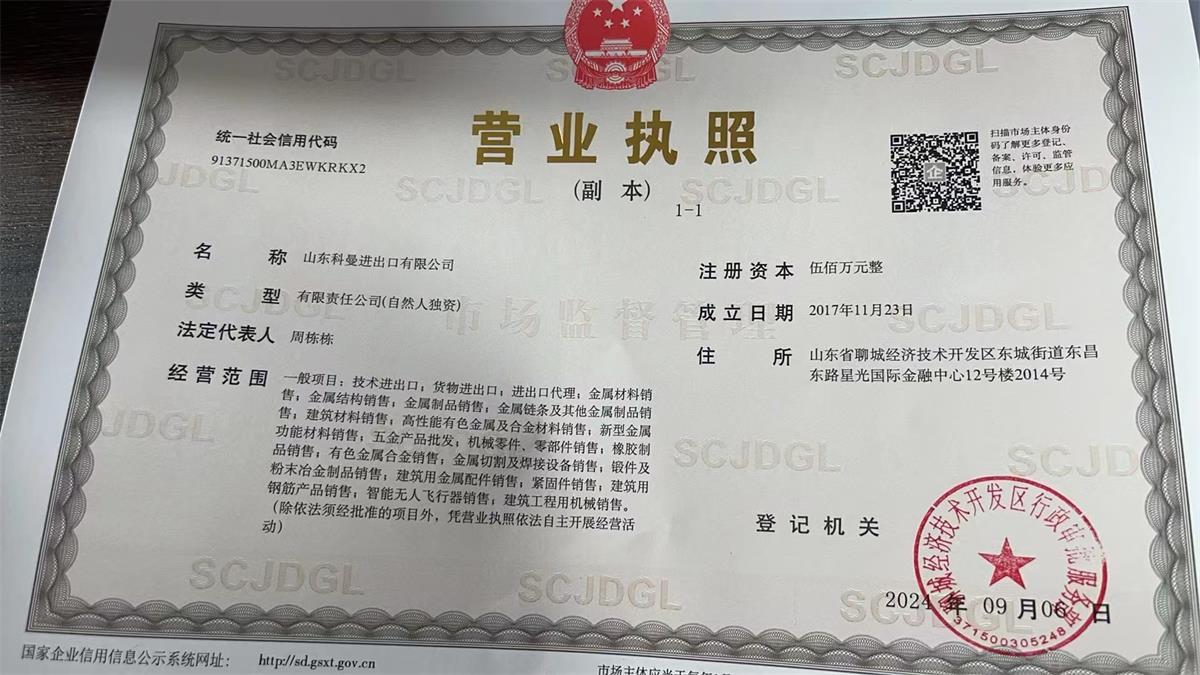
Address:Shandong Keman Import and Export Co., Ltd.

Exploring Applications of Inconel Alloy Plate in High-Temperature Environments
Release time:
2025-10-29
Exploring Applications of Inconel Alloy Plate in High-Temperature Environments Introduction to Inconel Alloy Plates Inconel alloy plates are renowned for their remarkable ability to withstand extreme temperatures and corrosive environments. Made primarily of nickel and chromium, these alloys are engineered to perform exceptionally well in high-temperature applications where traditional materials o
Exploring Applications of Inconel Alloy Plate in High-Temperature Environments
Introduction to Inconel Alloy Plates
Inconel alloy plates are renowned for their remarkable ability to withstand extreme temperatures and corrosive environments. Made primarily of nickel and chromium, these alloys are engineered to perform exceptionally well in high-temperature applications where traditional materials often fail. Understanding the unique properties and applications of Inconel can significantly enhance the efficiency and longevity of various industrial processes.
Understanding the Composition of Inconel Alloys
The composition of Inconel alloys typically includes a combination of nickel, chromium, iron, and other elements such as molybdenum and titanium. This unique blend results in a material that exhibits exceptional strength, oxidation resistance, and thermal stability. The most commonly used grades of Inconel include Inconel 600, 625, and 718, each designed for specific high-temperature applications.
Key Characteristics of Inconel Alloy Plates
Inconel alloy plates are characterized by several defining traits that make them ideal for high-temperature environments:
Corrosion Resistance
Inconel alloys are highly resistant to oxidation and corrosion, making them suitable for use in harsh chemical environments. The chromium content forms a protective oxide layer that prevents further degradation.
High-Temperature Strength
These alloys maintain their mechanical properties at elevated temperatures, allowing them to endure stress without compromising performance. This feature is particularly beneficial in applications involving heat-intensive processes.
Fabricability
Despite their strength, Inconel alloy plates can be easily welded and fabricated, allowing for versatile applications across various industries. This adaptability is crucial in manufacturing components that require intricate shapes and sizes.
Applications of Inconel Alloy Plates in Different Industries
Inconel alloys find extensive use in various sectors due to their unique properties. Below, we explore some of the primary industries that benefit from these high-performance materials.
Aerospace Industry
In the aerospace sector, Inconel alloy plates are employed in components exposed to extreme temperatures and stresses, such as gas turbine engines and exhaust systems. Their ability to resist oxidation at high temperatures ensures the reliability and efficiency of aircraft engines.
Chemical Processing
Chemical processing plants utilize Inconel alloys in reactors, heat exchangers, and piping systems, where they encounter aggressive chemicals at high temperatures. The resistance to corrosion enhances the safety and longevity of these components, reducing the risk of costly downtime.
Energy Production
Inconel alloys play a crucial role in the energy sector, particularly in nuclear and fossil fuel power plants. They are used in components like steam generators and turbine blades, where high temperatures and pressures are prevalent. Their durability contributes to improved operational efficiency and reduced maintenance costs.
Marine Applications
The marine industry benefits from Inconel alloys due to their resistance to seawater corrosion. Components such as pumps, valves, and heat exchangers are often made from Inconel, ensuring reliability in harsh marine environments.
Benefits of Using Inconel Alloy Plates
The advantages of using Inconel alloy plates in high-temperature environments are numerous.
Longevity and Durability
Inconel alloys are engineered to withstand extreme conditions, resulting in components that last longer than those made from traditional materials. This durability translates to reduced replacement costs and lower maintenance efforts over time.
Enhanced Efficiency
By utilizing Inconel alloys, industries can improve the efficiency of their processes. The alloys' ability to perform under high stress and temperature reduces the likelihood of equipment failure, ensuring smooth operations.
Safety Improvements
Inconel's resistance to corrosion and oxidation minimizes the risk of hazardous leaks and failures. This property is crucial for applications in the chemical and energy sectors, where safety is a paramount concern.
Challenges and Considerations When Using Inconel Alloy Plates
While Inconel alloys offer numerous benefits, there are challenges to consider when implementing them in high-temperature applications.
Cost of Inconel Alloys
Inconel alloys are typically more expensive than standard steel or aluminum materials. However, the long-term savings from reduced maintenance and increased durability often justify the initial investment.
Welding and Fabrication Difficulties
The high strength and toughness of Inconel alloys can make welding and fabrication more challenging compared to other metals. Skilled labor and specialized techniques may be required to achieve the desired results.
Future Trends in Inconel Alloy Applications
As industries continue to evolve, the demand for advanced materials like Inconel alloys is expected to grow. Future trends may include:
Innovations in Alloy Development
Research into new Inconel alloy compositions may yield even higher performance materials tailored for specific applications, enhancing efficiency and safety across various sectors.
Increased Automation in Manufacturing
As automation technology advances, the production processes for Inconel alloy plates may become more efficient, reducing costs and improving accessibility for manufacturers.
FAQs About Inconel Alloy Plates
What is the primary use of Inconel alloy plates?
Inconel alloy plates are primarily used in high-temperature applications across various industries, including aerospace, chemical processing, and energy production.
How do Inconel alloys compare to other materials?
Inconel alloys outperform traditional materials like steel and aluminum in high-temperature and corrosive environments due to their superior strength, oxidation resistance, and durability.
Can Inconel alloy plates be welded?
Yes, Inconel alloy plates can be welded, but they require specialized techniques and skilled labor to ensure proper bonding and structural integrity.
What are the most common grades of Inconel alloys?
The most commonly used grades of Inconel alloys include Inconel 600, 625, and 718, each designed for specific high-temperature applications.
Are there any environmental benefits to using Inconel alloys?
Yes, the longevity and durability of Inconel alloys reduce waste and the need for frequent replacements, contributing to more sustainable practices in industries that utilize them.
Conclusion
Inconel alloy plates represent a critical advancement in materials engineering, particularly for applications in high-temperature environments. Their unique properties, including exceptional corrosion resistance, high-temperature strength, and fabricability, make them indispensable in various industries. As technology continues to evolve, the role of Inconel alloys will likely expand, driving further innovations and efficiencies in engineering solutions. Embracing the advantages of Inconel alloys is essential for businesses seeking to enhance their operational capabilities while ensuring safety and longevity in their applications.
Latest News
Innovative Applications of Carbon Steel Plates in Building Designs
Innovative Applications of Carbon Steel Plates in Building Designs Carbon steel plates have emerged as a cornerstone material in the construction industry, gaining acclaim for their versatility, strength, and aesthetic potential. As the demand for innovative design solutions escalates, architects and builders are increasingly incorporating carbon steel plates into their projects. This article expl
2026-09-22
Understanding A514 Carbon Steel Plate: Key Characteristics and Applications
A514 Carbon Steel Plate is a high-yield strength steel that has become a preferred choice in various industrial applications, particularly in the fields of metallurgy and energy. This type of steel is known for its excellent mechanical properties, making it suitable for demanding environments where strength and durability are paramount. One of the key characteristics of A514 Carbon Steel Plate is
2026-09-17
How A387 Carbon Alloy Steel Plate Enhances Structural Integrity in Construction
How A387 Carbon Alloy Steel Plate Enhances Structural Integrity in Construction Table of Contents 1. Introduction to A387 Carbon Alloy Steel Plate 2. What is A387 Carbon Alloy Steel? 3. Key Properties of A387 Carbon Alloy Steel Plates 4. Manufacturing Process of A387 Steel Plates 5. Applications of A387 Carbon Alloy Steel Plates 6. Advantages of Using A387 Carbon Alloy Ste
2026-09-12
Understanding A285 Carbon Steel Pressure Plates: Essential Insights for Construction and Design
A285 Carbon Steel Pressure Plates are primarily used in pressure vessel fabrication and construction applications. This type of steel is known for its good weldability and formability, making it a favorable choice for various structural components. The ASTM A285 standard specifically governs the specifications for carbon steel plates intended for low-pressure service. One of the key characteristic
2026-09-07
The Role of 5A05 Aluminum Plate in Enhancing Building Aesthetics
The Role of 5A05 Aluminum Plate in Enhancing Building Aesthetics Table of Contents 1. Introduction to 5A05 Aluminum Plates 2. Properties of 5A05 Aluminum Plates 3. Applications of 5A05 Aluminum Plates in Architecture 4. Aesthetic Advantages of Using 5A05 Aluminum Plates 5. Sustainability and Environmental Impact 6. Installation and Maintenance of 5A05 Aluminum Plates 7
2026-09-02
Understanding B500 Steel Reinforcement: Key Insights for Professionals in Construction Machinery
B500 steel reinforcement is a critical component in the construction industry, particularly in manufacturing and processing machinery for engineering and construction projects. This high-strength steel bar is widely used in reinforced concrete structures, providing the necessary tensile strength to support heavy loads and withstand various stresses. One of the defining characteristics of B500 stee
2026-08-28


Copyright 2025 : Shandong Keman Import and Export Co., Ltd. Powered by:CEglobal SEO BUSINESS LICENSE