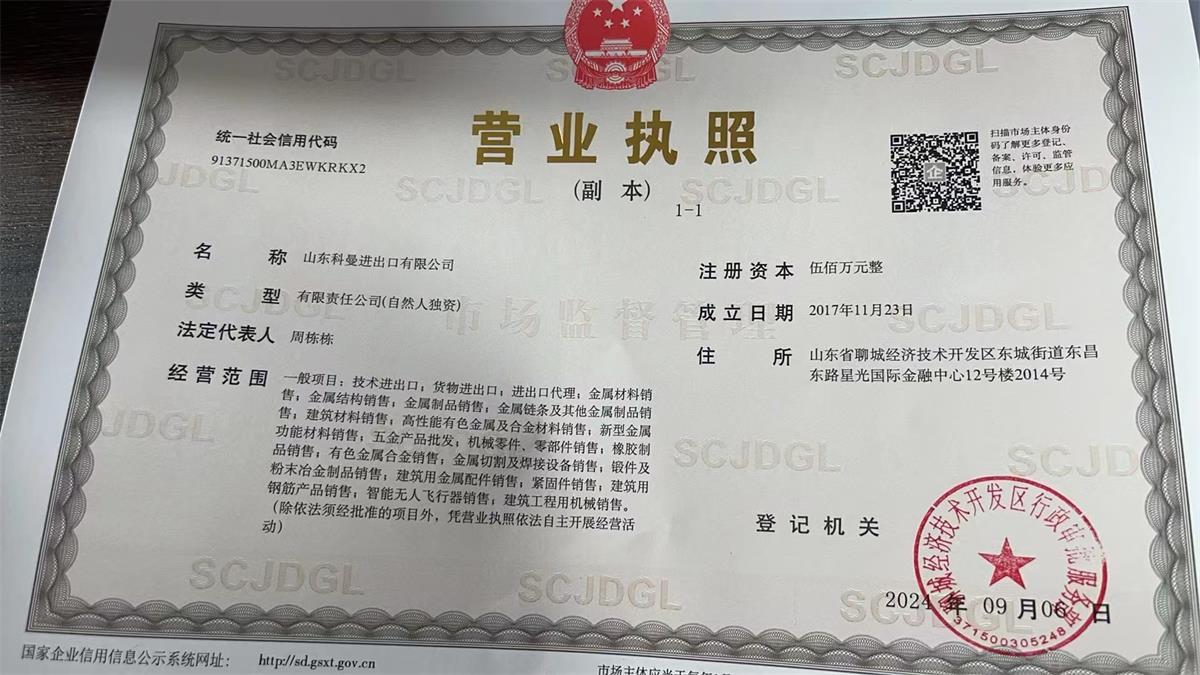
Address:Shandong Keman Import and Export Co., Ltd.

Exploring the Benefits of Tin Plated Coil in Construction Projects
Release time:
2025-11-04
Exploring the Benefits of Tin Plated Coil in Construction Projects Introduction: The Role of Tin Plated Coil in Modern Construction In the ever-evolving realm of construction and decoration, materials play a pivotal role in determining the durability, functionality, and aesthetic appeal of structures. Among these materials, **tin plated coil** has emerged as a game-changer. This article delves int
Exploring the Benefits of Tin Plated Coil in Construction Projects
Introduction: The Role of Tin Plated Coil in Modern Construction
In the ever-evolving realm of construction and decoration, materials play a pivotal role in determining the durability, functionality, and aesthetic appeal of structures. Among these materials, **tin plated coil** has emerged as a game-changer. This article delves into the multitude of benefits offered by tin plated coil, making it an invaluable asset in construction projects.
What is Tin Plated Coil?
Tin plated coil, also known as tinplate, is essentially a thin sheet of steel that has been coated with a layer of tin. This process not only enhances the steel's resistance to rust and corrosion but also lends the material a shiny, attractive finish. Tin plated coils are commonly used in a variety of applications, ranging from food packaging to decorative items and, crucially, in construction materials.
Composition and Manufacturing Process
The manufacturing of tin plated coil involves several crucial steps:
1. **Steel Substrate Preparation**: High-quality steel sheets are selected and prepared for plating.
2. **Cleaning**: The steel is thoroughly cleaned to remove any impurities, ensuring optimal adhesion of the tin layer.
3. **Electrolytic Plating**: In this process, the steel sheets are submerged in a tin solution. An electrical current is passed through, causing the tin to adhere to the steel surface.
4. **Finishing**: After plating, the coils are dried and cut to desired dimensions, ready for use in construction.
This multi-step process is essential to ensure the longevity and performance of tin plated coils in various applications.
Key Benefits of Tin Plated Coil in Construction Projects
1. Superior Corrosion Resistance
One of the primary advantages of tin plated coil is its **exceptional corrosion resistance**. The tin coating serves as a barrier between the steel and environmental factors such as moisture, oxygen, and pollutants, which can cause rust and degradation over time. This makes tin plated coils particularly beneficial in construction applications that are exposed to harsh weather conditions, such as roofing and siding.
2. Aesthetic Appeal
Beyond functionality, tin plated coil offers significant **aesthetic benefits**. The shiny, smooth surface of tin enhances the overall appearance of structures, making them visually appealing. Architects and designers are increasingly opting for tin plated coils in decorative elements, emphasizing modernity and elegance.
3. Lightweight and Easy to Handle
Tin plated coil is significantly lighter than other materials used in construction, such as solid steel or aluminum. This reduced weight leads to easier handling and installation, which can be pivotal in streamlining construction timelines and reducing labor costs.
4. Cost-Effectiveness
When considering the lifecycle of building materials, **tin plated coil stands out as a cost-effective option**. Its longevity, combined with reduced maintenance needs due to its corrosion-resistant properties, leads to lower overall expenses in both material procurement and upkeep.
Applications of Tin Plated Coil in Construction
1. Roofing and Cladding
Tin plated coil is extensively used in roofing and cladding systems. Its durability and resistance to the elements make it an ideal choice for protecting structures from water infiltration and external damage.
2. Structural Components
In addition to decorative uses, tin plated coils are integral in manufacturing various structural components such as framing, reinforcements, and brackets. Their strength and lightweight nature allow for versatile applications across different construction projects.
3. HVAC Ducting
The heating, ventilation, and air conditioning (HVAC) industry also benefits from tin plated coil. It is often utilized in the production of ducting systems, where durability and resistance to corrosion are paramount.
4. Electrical Applications
In some construction projects, especially those involving electrical installations, tin plated coils are used for creating electrical conduits due to their conductive properties and resistance to environmental damage.
Comparative Analysis: Tin Plated Coil versus Other Materials
1. Tin Plated Coil vs. Galvanized Steel
While both tin plated coil and galvanized steel provide corrosion resistance, tin plated coil offers a smoother finish and better aesthetic appeal. Additionally, tin plate is often lighter and easier to work with.
2. Tin Plated Coil vs. Aluminum
Aluminum is known for its lightweight properties, but it lacks the same level of corrosion resistance as tin plated coil in certain environments. Furthermore, tin plated coil's cost-effectiveness can make it a more appealing option for budget-conscious projects.
Environmental Considerations
In today’s construction landscape, sustainability is a significant concern. Tin plating is an environmentally friendly option, as it is recyclable and reduces the need for frequent replacements due to its durability. Utilizing tin plated coils can contribute to greener building practices and meet environmental regulations.
FAQs About Tin Plated Coil in Construction
1. What industries utilize tin plated coil?
Tin plated coil is used in various industries, including construction, packaging, and automotive sectors, particularly where corrosion resistance and aesthetic appeal are essential.
2. How does tin plating improve durability?
Tin plating enhances durability by creating a protective barrier that prevents moisture and oxygen from reaching the underlying steel, significantly reducing the risk of rusting and decay.
3. Can tin plated coil be painted?
Yes, tin plated coil can be painted. However, it is essential to use appropriate primers and paints designed for metal surfaces to ensure optimal adhesion and longevity.
4. Is tin plated coil expensive compared to other materials?
While the initial cost may vary, the long-term savings associated with reduced maintenance and replacement often make tin plated coil a cost-effective option in construction.
5. How can I ensure the quality of tin plated coil?
To ensure quality, source tin plated coils from reputable manufacturers who adhere to industry standards and provide certifications regarding their products.
Conclusion: The Unmatched Value of Tin Plated Coil
In conclusion, tin plated coil stands out as an invaluable material in the construction industry, offering a unique combination of **corrosion resistance, aesthetic appeal, lightweight properties, and cost-effectiveness**. Its versatility makes it suitable for a variety of applications, from roofing to structural components, setting a benchmark for modern construction practices. As the industry continues to evolve, the adoption of tin plated coil is likely to play a crucial role in enhancing both the durability and visual appeal of our built environment. Embracing this innovative material not only contributes to the longevity of structures but also aligns with sustainable building practices, ultimately fostering a greener future for construction.
Latest News
Innovative Applications of Carbon Steel Plates in Building Designs
Innovative Applications of Carbon Steel Plates in Building Designs Carbon steel plates have emerged as a cornerstone material in the construction industry, gaining acclaim for their versatility, strength, and aesthetic potential. As the demand for innovative design solutions escalates, architects and builders are increasingly incorporating carbon steel plates into their projects. This article expl
2026-09-22
Understanding A514 Carbon Steel Plate: Key Characteristics and Applications
A514 Carbon Steel Plate is a high-yield strength steel that has become a preferred choice in various industrial applications, particularly in the fields of metallurgy and energy. This type of steel is known for its excellent mechanical properties, making it suitable for demanding environments where strength and durability are paramount. One of the key characteristics of A514 Carbon Steel Plate is
2026-09-17
How A387 Carbon Alloy Steel Plate Enhances Structural Integrity in Construction
How A387 Carbon Alloy Steel Plate Enhances Structural Integrity in Construction Table of Contents 1. Introduction to A387 Carbon Alloy Steel Plate 2. What is A387 Carbon Alloy Steel? 3. Key Properties of A387 Carbon Alloy Steel Plates 4. Manufacturing Process of A387 Steel Plates 5. Applications of A387 Carbon Alloy Steel Plates 6. Advantages of Using A387 Carbon Alloy Ste
2026-09-12
Understanding A285 Carbon Steel Pressure Plates: Essential Insights for Construction and Design
A285 Carbon Steel Pressure Plates are primarily used in pressure vessel fabrication and construction applications. This type of steel is known for its good weldability and formability, making it a favorable choice for various structural components. The ASTM A285 standard specifically governs the specifications for carbon steel plates intended for low-pressure service. One of the key characteristic
2026-09-07
The Role of 5A05 Aluminum Plate in Enhancing Building Aesthetics
The Role of 5A05 Aluminum Plate in Enhancing Building Aesthetics Table of Contents 1. Introduction to 5A05 Aluminum Plates 2. Properties of 5A05 Aluminum Plates 3. Applications of 5A05 Aluminum Plates in Architecture 4. Aesthetic Advantages of Using 5A05 Aluminum Plates 5. Sustainability and Environmental Impact 6. Installation and Maintenance of 5A05 Aluminum Plates 7
2026-09-02
Understanding B500 Steel Reinforcement: Key Insights for Professionals in Construction Machinery
B500 steel reinforcement is a critical component in the construction industry, particularly in manufacturing and processing machinery for engineering and construction projects. This high-strength steel bar is widely used in reinforced concrete structures, providing the necessary tensile strength to support heavy loads and withstand various stresses. One of the defining characteristics of B500 stee
2026-08-28


Copyright 2025 : Shandong Keman Import and Export Co., Ltd. Powered by:CEglobal SEO BUSINESS LICENSE