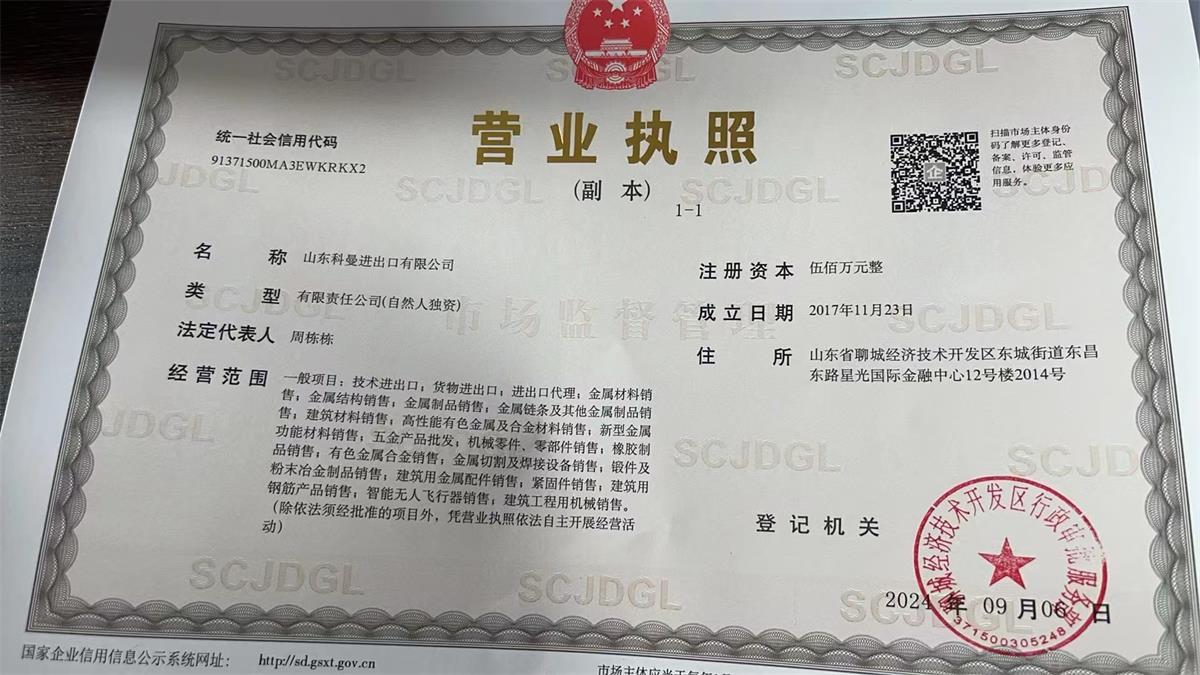
Address:Shandong Keman Import and Export Co., Ltd.

Understanding the Profound Benefits of Galvanized Plates in Modern Construction
Release time:
2025-11-10
Understanding the Profound Benefits of Galvanized Plates in Modern Construction Table of Contents 1. Introduction to Galvanized Plates 2. What Are Galvanized Plates? 3. Key Benefits of Using Galvanized Plates 3.1 Corrosion Resistance and Longevity 3.2 Cost-Effectiveness in Construction 3.3 Versatility in Applications 4. Applica
Understanding the Profound Benefits of Galvanized Plates in Modern Construction
Table of Contents
- 1. Introduction to Galvanized Plates
- 2. What Are Galvanized Plates?
- 3. Key Benefits of Using Galvanized Plates
- 3.1 Corrosion Resistance and Longevity
- 3.2 Cost-Effectiveness in Construction
- 3.3 Versatility in Applications
- 4. Applications of Galvanized Plates in Modern Construction
- 5. Environmental Impact of Galvanized Plates
- 6. Future Trends in the Use of Galvanized Plates
- 7. Frequently Asked Questions
- 8. Conclusion
1. Introduction to Galvanized Plates
In contemporary construction, the choice of materials significantly impacts the durability, cost, and performance of structures. **Galvanized plates**, which are steel plates coated with a layer of zinc, have emerged as a popular choice among builders and architects. Their unique properties make them incredibly beneficial for both residential and commercial projects. In this article, we will explore the multifaceted advantages of galvanized plates and their pivotal role in modern construction.
2. What Are Galvanized Plates?
Galvanized plates are created through a process known as **galvanization**, where steel is coated with a protective layer of zinc. This coating is applied through various methods, including hot-dip galvanization, where steel is immersed in molten zinc, and electro-galvanization, which uses an electric current to bond zinc to the steel surface. The result is a tough, durable product that enjoys extensive applications across various sectors, particularly in construction.
3. Key Benefits of Using Galvanized Plates
The benefits of galvanized plates in construction are numerous. Below, we highlight the most significant advantages that make them a preferred choice for builders and architects.
3.1 Corrosion Resistance and Longevity
One of the standout features of galvanized plates is their **exceptional corrosion resistance**. The zinc coating acts as a barrier, preventing moisture and oxygen from reaching the underlying steel, thus significantly reducing the likelihood of rust and deterioration. This quality is particularly crucial in environments exposed to extreme weather conditions or humidity, ensuring that structures maintain their integrity over time.
Moreover, galvanized plates can last for decades, often outliving traditional untreated steel by several years. This longevity translates to reduced maintenance costs and less frequent replacement, driving down overall project expenses.
3.2 Cost-Effectiveness in Construction
Cost considerations are always at the forefront of any construction project. Galvanized plates can offer substantial cost savings in both the short and long term. While the initial investment may be slightly higher than that of untreated steel, the **reduced maintenance** and extended lifespan justify the expense.
Additionally, the installation process can be streamlined when using galvanized plates, as they are often easier to handle and require fewer protective measures during the construction phase. This efficiency can further lower labor costs, making galvanized plates an economically sound option for builders.
3.3 Versatility in Applications
Galvanized plates are incredibly versatile and can be utilized in a myriad of applications within the construction sector. From structural components, roofing sheets, and wall panels to fencing and HVAC systems, the adaptability of galvanized plates makes them suitable for diverse projects.
Their aesthetic appeal also adds value, as they can be painted or finished to match various design preferences. This flexibility allows architects to incorporate galvanized plates into their designs without compromising on style or functionality.
4. Applications of Galvanized Plates in Modern Construction
The applications of galvanized plates in construction are extensive, reflecting their robust characteristics and adaptability. Here are some of the primary uses:
4.1 Structural Steel Components
Galvanized plates are commonly used in the construction of beams and columns due to their strength and resistance to corrosion. This application is vital for ensuring that the structural integrity of buildings remains uncompromised, particularly in multi-story constructions.
4.2 Roofing and Cladding
In roofing and exterior cladding, galvanized plates provide a weather-resistant solution that protects buildings from the elements. Their lightweight nature makes them easy to transport and install, while their durability guarantees long-lasting performance.
4.3 Fencing and Gates
Galvanized plates are frequently used in the manufacturing of fencing and gates, offering security without sacrificing aesthetic appeal. Their resistance to rust ensures that these installations remain functional and visually appealing for years.
4.4 HVAC Systems
In heating, ventilation, and air conditioning (HVAC) systems, galvanized plates are used for ducting and other components. Their non-corrosive nature is essential in ensuring the efficiency and longevity of these systems.
4.5 Sustainability Features
With the growing emphasis on sustainability in construction, galvanized plates can play a pivotal role. They are often recyclable, which aligns with eco-friendly building practices and reduces the environmental footprint of construction projects.
5. Environmental Impact of Galvanized Plates
As environmental concerns rise, the construction industry is actively seeking materials that minimize negative impacts on the planet. Galvanized plates contribute positively in several ways:
5.1 Recyclability
One of the most significant environmental advantages of galvanized plates is their **recyclability**. When projects are completed, or materials need to be replaced, galvanized steel can be recycled without any loss of quality, making it a sustainable choice.
5.2 Energy Efficiency
The manufacturing process of galvanized plates is energy-efficient compared to other materials. Additionally, buildings using galvanized plates often have improved insulation and weather resistance, contributing to lower energy consumption in heating and cooling.
6. Future Trends in the Use of Galvanized Plates
The future of galvanized plates in construction looks promising. With advancements in technology and a growing focus on sustainability, several trends are emerging:
6.1 Innovative Coatings
Ongoing research is leading to the development of advanced coatings for galvanized plates that enhance their performance. These innovations aim to improve corrosion resistance further and offer additional benefits like self-cleaning properties.
6.2 Smart Construction Techniques
As the construction industry embraces smart technology, galvanized plates are expected to integrate more with smart systems. This integration can lead to enhanced monitoring of structural integrity and maintenance needs, ensuring safety and longevity.
6.3 Sustainable Practices
The emphasis on green building practices is likely to bolster the use of galvanized plates. Their recyclability and durability make them an ideal choice for environmentally conscious construction projects.
7. Frequently Asked Questions
7.1 What makes galvanized plates corrosion-resistant?
Galvanized plates are coated with zinc, which acts as a protective barrier against moisture and oxygen, preventing rust and corrosion.
7.2 Are galvanized plates more expensive than untreated steel?
While the initial cost of galvanized plates may be higher, their longevity and reduced maintenance needs often make them more cost-effective in the long run.
7.3 Can galvanized plates be painted?
Yes, galvanized plates can be painted to match design preferences. However, proper surface preparation is essential to ensure paint adhesion.
7.4 How long do galvanized plates last?
Galvanized plates can last several decades, often outlasting traditional steel by many years, depending on environmental conditions.
7.5 Are galvanized plates environmentally friendly?
Yes, galvanized plates are recyclable and have a lower environmental impact compared to many alternative materials, making them a sustainable choice for construction projects.
8. Conclusion
In conclusion, galvanized plates offer a robust solution for modern construction needs, combining durability, cost-effectiveness, and versatility. Their ability to resist corrosion and withstand harsh conditions makes them indispensable in both residential and commercial applications. As the industry continues to evolve, the role of galvanized plates in promoting sustainability and enhancing construction practices is likely to grow. Embracing this material can lead to more resilient infrastructure and eco-friendly building solutions, solidifying its place as a cornerstone of contemporary construction.
Latest News
Innovative Applications of Carbon Steel Plates in Building Designs
Innovative Applications of Carbon Steel Plates in Building Designs Carbon steel plates have emerged as a cornerstone material in the construction industry, gaining acclaim for their versatility, strength, and aesthetic potential. As the demand for innovative design solutions escalates, architects and builders are increasingly incorporating carbon steel plates into their projects. This article expl
2026-09-22
Understanding A514 Carbon Steel Plate: Key Characteristics and Applications
A514 Carbon Steel Plate is a high-yield strength steel that has become a preferred choice in various industrial applications, particularly in the fields of metallurgy and energy. This type of steel is known for its excellent mechanical properties, making it suitable for demanding environments where strength and durability are paramount. One of the key characteristics of A514 Carbon Steel Plate is
2026-09-17
How A387 Carbon Alloy Steel Plate Enhances Structural Integrity in Construction
How A387 Carbon Alloy Steel Plate Enhances Structural Integrity in Construction Table of Contents 1. Introduction to A387 Carbon Alloy Steel Plate 2. What is A387 Carbon Alloy Steel? 3. Key Properties of A387 Carbon Alloy Steel Plates 4. Manufacturing Process of A387 Steel Plates 5. Applications of A387 Carbon Alloy Steel Plates 6. Advantages of Using A387 Carbon Alloy Ste
2026-09-12
Understanding A285 Carbon Steel Pressure Plates: Essential Insights for Construction and Design
A285 Carbon Steel Pressure Plates are primarily used in pressure vessel fabrication and construction applications. This type of steel is known for its good weldability and formability, making it a favorable choice for various structural components. The ASTM A285 standard specifically governs the specifications for carbon steel plates intended for low-pressure service. One of the key characteristic
2026-09-07
The Role of 5A05 Aluminum Plate in Enhancing Building Aesthetics
The Role of 5A05 Aluminum Plate in Enhancing Building Aesthetics Table of Contents 1. Introduction to 5A05 Aluminum Plates 2. Properties of 5A05 Aluminum Plates 3. Applications of 5A05 Aluminum Plates in Architecture 4. Aesthetic Advantages of Using 5A05 Aluminum Plates 5. Sustainability and Environmental Impact 6. Installation and Maintenance of 5A05 Aluminum Plates 7
2026-09-02
Understanding B500 Steel Reinforcement: Key Insights for Professionals in Construction Machinery
B500 steel reinforcement is a critical component in the construction industry, particularly in manufacturing and processing machinery for engineering and construction projects. This high-strength steel bar is widely used in reinforced concrete structures, providing the necessary tensile strength to support heavy loads and withstand various stresses. One of the defining characteristics of B500 stee
2026-08-28


Copyright 2025 : Shandong Keman Import and Export Co., Ltd. Powered by:CEglobal SEO BUSINESS LICENSE