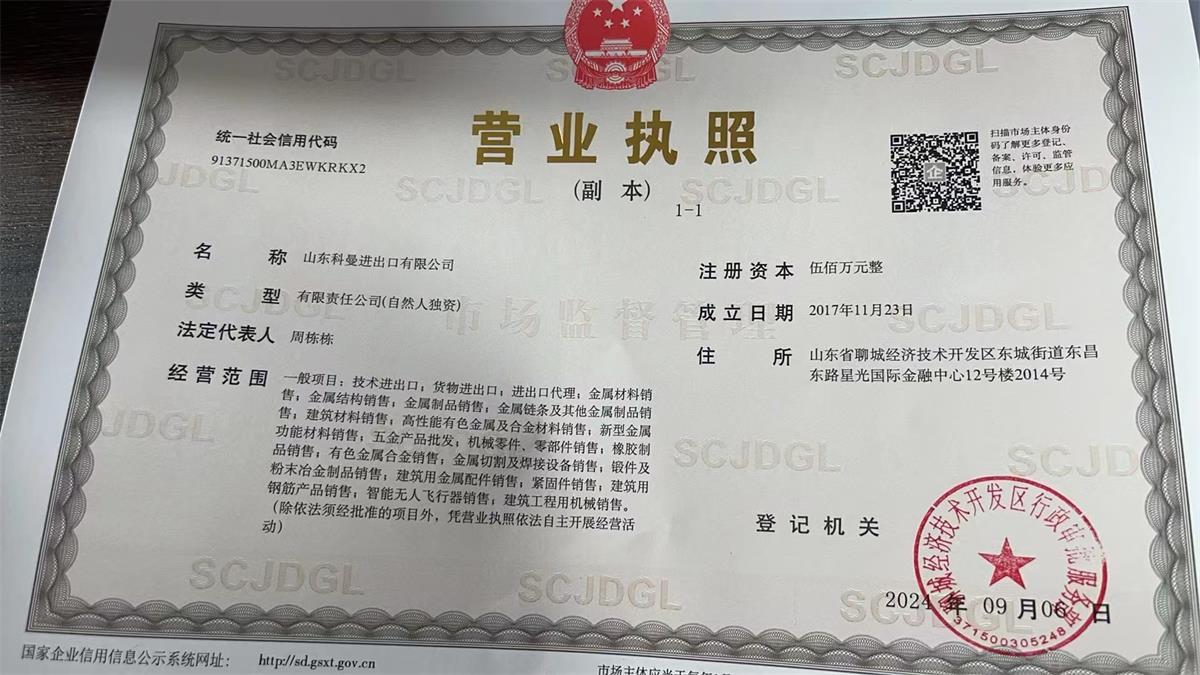
Address:Shandong Keman Import and Export Co., Ltd.

Why Carbon Steel Plates Stand Out for Structural Applications
Release time:
2025-11-22
Why Carbon Steel Plates Stand Out for Structural Applications Table of Contents 1. Introduction to Carbon Steel Plates 2. Defining Carbon Steel and Its Composition 3. Benefits of Using Carbon Steel Plates in Construction 3.1 Durability and Strength 3.2 Versatility in Applications 3.3 Cost-Effectiveness 3.4 Ease of Welding and Fabrication 3.5 Corrosion Resistance
Why Carbon Steel Plates Stand Out for Structural Applications
Table of Contents
- 1. Introduction to Carbon Steel Plates
- 2. Defining Carbon Steel and Its Composition
- 3. Benefits of Using Carbon Steel Plates in Construction
- 3.1 Durability and Strength
- 3.2 Versatility in Applications
- 3.3 Cost-Effectiveness
- 3.4 Ease of Welding and Fabrication
- 3.5 Corrosion Resistance
- 4. Applications of Carbon Steel Plates in Construction
- 5. Sustainability Aspects of Carbon Steel
- 6. Choosing the Right Grade of Carbon Steel Plate
- 7. Future Trends in Structural Materials
- 8. Frequently Asked Questions
- 9. Conclusion
1. Introduction to Carbon Steel Plates
In the ever-evolving world of construction and structural engineering, **carbon steel plates** have emerged as a pivotal material, celebrated for their unique attributes and practical applications. Whether in the construction of bridges, buildings, or other infrastructure, carbon steel plates offer a combination of **strength**, **durability**, and **affordability** that sets them apart from other materials. This article delves into the reasons why carbon steel plates are a staple in structural applications, highlighting their benefits, diverse uses, and the considerations engineers and builders should keep in mind when selecting materials for their projects.
2. Defining Carbon Steel and Its Composition
Carbon steel is a form of steel where the main alloying element is carbon, typically comprising between 0.05% to 2.0% carbon by weight. The composition of carbon steel plates can vary significantly, affecting their properties and uses. Here are the primary types and their characteristics:
- Low Carbon Steel (Mild Steel): Contains less than 0.3% carbon, offering excellent ductility and weldability, making it suitable for general-purpose applications.
- Medium Carbon Steel: Contains between 0.3% to 0.6% carbon, providing improved strength and hardness, ideal for applications that require more strength than mild steel.
- High Carbon Steel: Contains more than 0.6% carbon, delivering superior hardness and wear resistance, often used for cutting tools and wear-resistant applications.
Understanding the composition of carbon steel is crucial for selecting the right type for structural applications, ensuring optimal performance and longevity.
3. Benefits of Using Carbon Steel Plates in Construction
Carbon steel plates come with a myriad of advantages that make them exceptionally suitable for various structural applications. Let’s explore some key benefits:
3.1 Durability and Strength
One of the foremost reasons carbon steel plates are favored in construction is their remarkable **durability and strength**. They possess a high tensile strength that allows them to withstand heavy loads and resist deformation under stress. This property makes them ideal for critical structural elements, including beams, columns, and load-bearing walls.
3.2 Versatility in Applications
Carbon steel plates are incredibly versatile, finding use in a range of applications. From **heavy machinery** and **automotive components** to **construction frameworks** and **shipbuilding**, their adaptability makes them a preferred choice for engineers and architects. Furthermore, they can be easily cut, shaped, and welded to fit specific project requirements.
3.3 Cost-Effectiveness
In terms of cost, carbon steel plates offer an excellent balance between quality and affordability. They are generally less expensive than other alloys, making them a cost-effective option for large-scale construction projects. Their longevity and low maintenance requirements further enhance their cost-effectiveness, providing value for builders and owners alike.
3.4 Ease of Welding and Fabrication
Carbon steel plates are well-known for their **weldability**. They can be welded using various techniques without compromising their structural integrity. This ease of fabrication allows for complex designs and structures to be constructed efficiently, saving both time and resources in the building process.
3.5 Corrosion Resistance
While carbon steel is not inherently corrosion-resistant, advancements in coatings and treatments have significantly improved its durability against environmental factors. Various protective coatings, such as galvanization or paint, can be applied to enhance resistance and prolong the lifespan of carbon steel plates in challenging environments.
4. Applications of Carbon Steel Plates in Construction
The applications of carbon steel plates in construction are extensive and diverse. Here are some key areas where they excel:
- Structural Frameworks: Carbon steel plates serve as vital components in constructing building frameworks, providing essential support and stability.
- Bridge Construction: Their strength and durability make them ideal for bridges, where load-bearing capacity is paramount.
- Industrial Buildings: Factories and warehouses utilize carbon steel plates in their structures, owing to the material's strength-to-weight ratio.
- Oil and Gas Industry: Carbon steel plates are widely used in pipelines and storage tanks, where resistance to harsh conditions is crucial.
- Transportation Infrastructure: They are also used in roads, railways, and other transportation systems, providing strength and reliability.
As the demand for robust infrastructure continues to rise, the role of carbon steel plates in construction remains indispensable.
5. Sustainability Aspects of Carbon Steel
Sustainability is becoming an increasingly important factor in construction materials. Carbon steel plates can contribute to sustainable practices in various ways:
- Recyclability: Carbon steel is highly recyclable, and recycled steel can be used to produce new steel products without compromising quality.
- Energy Efficiency: The production of carbon steel plates is generally less energy-intensive compared to other advanced materials.
- Longevity: Their durability leads to longer service life, reducing the need for replacement and minimizing waste.
By choosing carbon steel plates, builders can contribute to more sustainable building practices, aligning with global efforts to reduce environmental impact.
6. Choosing the Right Grade of Carbon Steel Plate
When selecting carbon steel plates for structural applications, it is essential to choose the right grade based on specific project requirements. Consider the following factors:
- Load Requirements: Assess the load-bearing capacity needed for the project to determine the appropriate strength of steel required.
- Environmental Conditions: Consider the environmental factors, such as exposure to moisture and chemicals, to select suitable protective coatings.
- Fabrication Needs: Evaluate the fabrication methods that will be used to ensure compatibility with the chosen grade of carbon steel.
Consulting with material specialists can help ensure that the right grade is selected to meet the demands of each unique project.
7. Future Trends in Structural Materials
The construction industry is continuously evolving, and so are the materials used in structural applications. Emerging trends include:
- Smart Materials: The development of smart carbon steel plates capable of monitoring structural integrity and responding to environmental changes is on the rise.
- Enhanced Coatings: Innovations in coatings that improve corrosion resistance and longevity are being researched, further enhancing the performance of carbon steel.
- Integration with Other Materials: The combination of carbon steel with other materials, such as composites, is being explored for optimized performance in demanding applications.
These trends highlight the commitment to advancing structural materials, ensuring that carbon steel plates remain at the forefront of construction technology.
8. Frequently Asked Questions
1. What are the primary advantages of using carbon steel plates in construction?
The primary advantages include high strength, durability, cost-effectiveness, ease of fabrication, and versatility in various applications.
2. How do you protect carbon steel plates from corrosion?
Protection can be achieved through coatings such as galvanization, paint, or using weather-resistant alloys.
3. Can carbon steel plates be welded easily?
Yes, carbon steel plates are known for their excellent weldability, making them suitable for complex structures.
4. What applications are best suited for high carbon steel plates?
High carbon steel plates are ideal for applications requiring wear resistance, such as cutting tools, springs, and high-strength components.
5. How does carbon steel compare to stainless steel for structural applications?
While stainless steel offers superior corrosion resistance, carbon steel is typically more cost-effective and provides excellent strength for structural applications, making it a preferred choice in many cases.
9. Conclusion
In summary, **carbon steel plates** stand out as a robust, versatile, and cost-effective choice for structural applications across various industries. Their remarkable durability, ease of fabrication, and adaptability make them an essential material for engineers and builders striving to create resilient infrastructures. As the construction industry continues to evolve with a focus on sustainability and technological advancement, carbon steel plates will undoubtedly play a pivotal role in shaping the future of structural materials. From bridges to high-rise buildings, the relevance of carbon steel plates in construction is undisputed, making them a go-to material for any structural application.
Latest News
Innovative Applications of Carbon Steel Plates in Building Designs
Innovative Applications of Carbon Steel Plates in Building Designs Carbon steel plates have emerged as a cornerstone material in the construction industry, gaining acclaim for their versatility, strength, and aesthetic potential. As the demand for innovative design solutions escalates, architects and builders are increasingly incorporating carbon steel plates into their projects. This article expl
2026-09-22
Understanding A514 Carbon Steel Plate: Key Characteristics and Applications
A514 Carbon Steel Plate is a high-yield strength steel that has become a preferred choice in various industrial applications, particularly in the fields of metallurgy and energy. This type of steel is known for its excellent mechanical properties, making it suitable for demanding environments where strength and durability are paramount. One of the key characteristics of A514 Carbon Steel Plate is
2026-09-17
How A387 Carbon Alloy Steel Plate Enhances Structural Integrity in Construction
How A387 Carbon Alloy Steel Plate Enhances Structural Integrity in Construction Table of Contents 1. Introduction to A387 Carbon Alloy Steel Plate 2. What is A387 Carbon Alloy Steel? 3. Key Properties of A387 Carbon Alloy Steel Plates 4. Manufacturing Process of A387 Steel Plates 5. Applications of A387 Carbon Alloy Steel Plates 6. Advantages of Using A387 Carbon Alloy Ste
2026-09-12
Understanding A285 Carbon Steel Pressure Plates: Essential Insights for Construction and Design
A285 Carbon Steel Pressure Plates are primarily used in pressure vessel fabrication and construction applications. This type of steel is known for its good weldability and formability, making it a favorable choice for various structural components. The ASTM A285 standard specifically governs the specifications for carbon steel plates intended for low-pressure service. One of the key characteristic
2026-09-07
The Role of 5A05 Aluminum Plate in Enhancing Building Aesthetics
The Role of 5A05 Aluminum Plate in Enhancing Building Aesthetics Table of Contents 1. Introduction to 5A05 Aluminum Plates 2. Properties of 5A05 Aluminum Plates 3. Applications of 5A05 Aluminum Plates in Architecture 4. Aesthetic Advantages of Using 5A05 Aluminum Plates 5. Sustainability and Environmental Impact 6. Installation and Maintenance of 5A05 Aluminum Plates 7
2026-09-02
Understanding B500 Steel Reinforcement: Key Insights for Professionals in Construction Machinery
B500 steel reinforcement is a critical component in the construction industry, particularly in manufacturing and processing machinery for engineering and construction projects. This high-strength steel bar is widely used in reinforced concrete structures, providing the necessary tensile strength to support heavy loads and withstand various stresses. One of the defining characteristics of B500 stee
2026-08-28


Copyright 2025 : Shandong Keman Import and Export Co., Ltd. Powered by:CEglobal SEO BUSINESS LICENSE