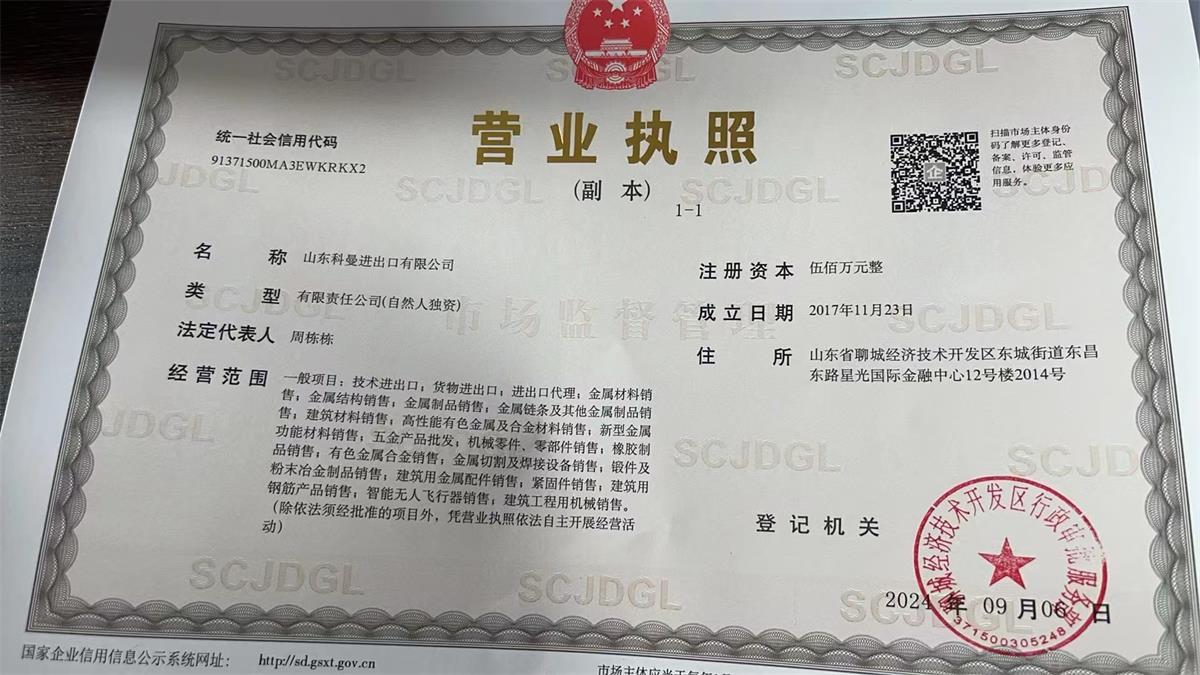
Address:Shandong Keman Import and Export Co., Ltd.

A588 Low Alloy Steel Plates: A Sustainable Choice for Future Construction
Release time:
2026-03-11
A588 Low Alloy Steel Plates: A Sustainable Choice for Future Construction Table of Contents 1. Introduction to A588 Low Alloy Steel Plates 2. Key Properties of A588 Low Alloy Steel 2.1 Composition and Mechanical Properties 2.2 Corrosion Resistance and Weathering Characteristics 3. Sustainability Aspects of A588 Steel 3.1 Environmental Impact of A588 Steel Production 3.2 Recyclabili
A588 Low Alloy Steel Plates: A Sustainable Choice for Future Construction
Table of Contents
1. Introduction to A588 Low Alloy Steel Plates
2. Key Properties of A588 Low Alloy Steel
2.1 Composition and Mechanical Properties
2.2 Corrosion Resistance and Weathering Characteristics
3. Sustainability Aspects of A588 Steel
3.1 Environmental Impact of A588 Steel Production
3.2 Recyclability and Reusability of A588 Steel
4. Applications of A588 Low Alloy Steel Plates in Construction
4.1 Structural Components in Buildings
4.2 Use in Bridges and Infrastructure
5. Advantages of Using A588 Steel Plates
5.1 Cost-Effectiveness in Long-Term Projects
5.2 Enhanced Durability and Reduced Maintenance Costs
6. Comparing A588 Steel with Other Materials
7. Challenges and Solutions in Using A588 Steel
8. Future Trends in A588 Steel Usage
9. Frequently Asked Questions (FAQs)
10. Conclusion
1. Introduction to A588 Low Alloy Steel Plates
A588 low alloy steel plates have made significant strides in the construction industry due to their unique properties that align with modern sustainability goals. As the construction sector increasingly focuses on environmentally friendly materials and practices, A588 steel emerges as an ideal choice for various applications. This article delves into the composition, properties, and benefits of A588 steel, exploring why it is becoming a preferred material for future construction projects.
2. Key Properties of A588 Low Alloy Steel
Understanding the properties of A588 steel is paramount for recognizing its suitability for construction applications.
2.1 Composition and Mechanical Properties
A588 steel is a low alloy steel known for its chemical composition that includes elements such as copper, chromium, nickel, and phosphorus. This combination provides the steel with exceptional strength and toughness. The **yield strength** of A588 steel typically ranges from **50 to 70 ksi**, making it a robust choice for structural applications. Additionally, its **high tensile strength** enhances its performance in demanding environments, allowing for thinner, lighter structures without sacrificing safety.
2.2 Corrosion Resistance and Weathering Characteristics
One of the standout features of A588 steel is its **corrosion resistance**. The weathering process leads to the formation of a protective oxide layer, which significantly reduces the need for maintenance and repainting compared to traditional carbon steels. This characteristic not only extends the lifespan of structures but also contributes to lower maintenance costs over time.
3. Sustainability Aspects of A588 Steel
In the context of global environmental concerns, A588 steel offers several sustainability benefits that make it a favorable construction material.
3.1 Environmental Impact of A588 Steel Production
The production of A588 low alloy steel plates involves less energy consumption compared to other steel types. The **lower carbon footprint** associated with its manufacturing process is a critical factor in promoting sustainability. By selecting A588, construction companies can enhance their commitment to reducing greenhouse gas emissions.
3.2 Recyclability and Reusability of A588 Steel
A588 steel is 100% recyclable, making it an eco-friendly option for construction projects. At the end of its lifecycle, structures made from A588 can be repurposed and reused, further minimizing environmental impact. This characteristic aligns with the principles of a circular economy, where materials are continuously recycled and reused.
4. Applications of A588 Low Alloy Steel Plates in Construction
A588 steel plates are versatile and find application across various sectors of construction.
4.1 Structural Components in Buildings
In building construction, A588 low alloy steel is widely used for structural components such as beams, columns, and frames. Its strength allows for the design of lighter structures, which can lead to significant material savings and improved overall building efficiency.
4.2 Use in Bridges and Infrastructure
The durability and weathering properties of A588 steel make it an excellent choice for bridge construction and other infrastructure projects. Its ability to withstand harsh environmental conditions ensures that structures maintain their integrity over time, providing safety and reliability.
5. Advantages of Using A588 Steel Plates
Choosing A588 steel plates for construction projects comes with numerous advantages.
5.1 Cost-Effectiveness in Long-Term Projects
While the initial cost of A588 steel may be higher than traditional carbon steel, its long-term cost-effectiveness should not be overlooked. The reduced maintenance and longer lifespan of A588 structures translate into significant savings over the years, making it an economically viable option.
5.2 Enhanced Durability and Reduced Maintenance Costs
The inherent properties of A588 steel lead to lower maintenance requirements. Its weathering resistance means less frequent painting and repairs, allowing construction companies to allocate resources more efficiently and effectively.
6. Comparing A588 Steel with Other Materials
When evaluating construction materials, A588 steel holds its own against others like carbon steel and stainless steel.
A588's strength-to-weight ratio favors it in applications where lighter materials enhance structural integrity. In comparison to stainless steel, A588 presents a more cost-effective solution while still offering excellent corrosion resistance, particularly in non-coastal environments.
7. Challenges and Solutions in Using A588 Steel
While A588 steel has many advantages, it is not without challenges. One primary concern is its **weldability**. Proper welding techniques must be employed to prevent cracking and ensure structural integrity. Utilizing preheating methods and selecting appropriate filler materials can mitigate these concerns.
8. Future Trends in A588 Steel Usage
As the construction industry continues to evolve, the demand for sustainable materials like A588 steel will likely increase. Innovations in manufacturing processes, coupled with a growing emphasis on eco-friendly building practices, may lead to wider adoption of A588 in both commercial and residential projects.
9. Frequently Asked Questions (FAQs)
**Q1: What are the primary benefits of using A588 low alloy steel plates?**
A: A588 steel offers exceptional strength, corrosion resistance, and sustainability, making it ideal for various construction applications.
**Q2: How does A588 steel compare to regular carbon steel?**
A: A588 steel provides better weathering properties and longer lifespan, resulting in lower maintenance costs compared to regular carbon steel.
**Q3: Is A588 steel recyclable?**
A: Yes, A588 steel is 100% recyclable, contributing to sustainability in construction.
**Q4: What are common applications of A588 steel?**
A: A588 steel is commonly used in structural components of buildings and in infrastructure projects like bridges.
**Q5: Are there any challenges associated with A588 steel?**
A: Yes, challenges include welding difficulties, but these can be addressed through proper techniques and preparation.
10. Conclusion
A588 low alloy steel plates are paving the way for sustainable construction practices. With their impressive properties, adaptability to various applications, and environmental benefits, A588 steel stands out as a material of choice for forward-thinking builders and architects. Embracing A588 not only promotes durability and cost-effectiveness but also aligns with global sustainability efforts, making it a cornerstone for the future of construction. As the demand for eco-friendly materials grows, A588 steel is poised to become an integral part of modern construction solutions.
Latest News
Innovative Applications of Carbon Steel Plates in Building Designs
Innovative Applications of Carbon Steel Plates in Building Designs Carbon steel plates have emerged as a cornerstone material in the construction industry, gaining acclaim for their versatility, strength, and aesthetic potential. As the demand for innovative design solutions escalates, architects and builders are increasingly incorporating carbon steel plates into their projects. This article expl
2026-09-22
Understanding A514 Carbon Steel Plate: Key Characteristics and Applications
A514 Carbon Steel Plate is a high-yield strength steel that has become a preferred choice in various industrial applications, particularly in the fields of metallurgy and energy. This type of steel is known for its excellent mechanical properties, making it suitable for demanding environments where strength and durability are paramount. One of the key characteristics of A514 Carbon Steel Plate is
2026-09-17
How A387 Carbon Alloy Steel Plate Enhances Structural Integrity in Construction
How A387 Carbon Alloy Steel Plate Enhances Structural Integrity in Construction Table of Contents 1. Introduction to A387 Carbon Alloy Steel Plate 2. What is A387 Carbon Alloy Steel? 3. Key Properties of A387 Carbon Alloy Steel Plates 4. Manufacturing Process of A387 Steel Plates 5. Applications of A387 Carbon Alloy Steel Plates 6. Advantages of Using A387 Carbon Alloy Ste
2026-09-12
Understanding A285 Carbon Steel Pressure Plates: Essential Insights for Construction and Design
A285 Carbon Steel Pressure Plates are primarily used in pressure vessel fabrication and construction applications. This type of steel is known for its good weldability and formability, making it a favorable choice for various structural components. The ASTM A285 standard specifically governs the specifications for carbon steel plates intended for low-pressure service. One of the key characteristic
2026-09-07
The Role of 5A05 Aluminum Plate in Enhancing Building Aesthetics
The Role of 5A05 Aluminum Plate in Enhancing Building Aesthetics Table of Contents 1. Introduction to 5A05 Aluminum Plates 2. Properties of 5A05 Aluminum Plates 3. Applications of 5A05 Aluminum Plates in Architecture 4. Aesthetic Advantages of Using 5A05 Aluminum Plates 5. Sustainability and Environmental Impact 6. Installation and Maintenance of 5A05 Aluminum Plates 7
2026-09-02
Understanding B500 Steel Reinforcement: Key Insights for Professionals in Construction Machinery
B500 steel reinforcement is a critical component in the construction industry, particularly in manufacturing and processing machinery for engineering and construction projects. This high-strength steel bar is widely used in reinforced concrete structures, providing the necessary tensile strength to support heavy loads and withstand various stresses. One of the defining characteristics of B500 stee
2026-08-28


Copyright 2025 : Shandong Keman Import and Export Co., Ltd. Powered by:CEglobal SEO BUSINESS LICENSE