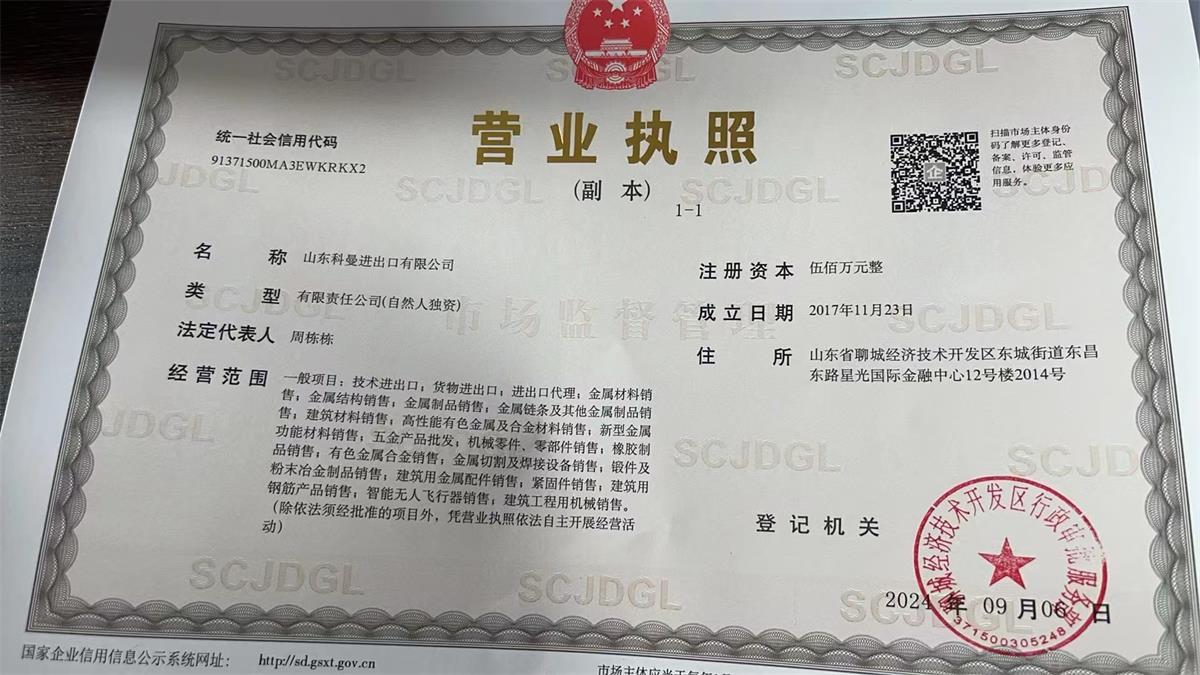
Address:Shandong Keman Import and Export Co., Ltd.

Why Equal Thickness Tinplate is Essential for Durable Construction
Release time:
2026-04-29
Understanding the Importance of Equal Thickness Tinplate in Construction Equal thickness tinplate is gaining recognition for its exceptional properties that contribute significantly to the longevity and performance of various construction applications. As construction projects become increasingly sophisticated, the demand for materials that offer consistency, strength, and durability has never bee
Understanding the Importance of Equal Thickness Tinplate in Construction
Equal thickness tinplate is gaining recognition for its exceptional properties that contribute significantly to the longevity and performance of various construction applications. As construction projects become increasingly sophisticated, the demand for materials that offer consistency, strength, and durability has never been higher. In this article, we will delve deep into the benefits of equal thickness tinplate, its applications in construction, and why it is a crucial component in building resilient structures.
What is Equal Thickness Tinplate?
Equal thickness tinplate refers to sheets of tin-coated steel that maintain a uniform thickness throughout. This homogeneity ensures that the material exhibits consistent mechanical properties, making it ideal for various construction uses. Tinplate is manufactured through a process that involves coating steel with a thin layer of tin, which provides excellent corrosion resistance, formability, and weldability.
The Manufacturing Process of Equal Thickness Tinplate
The production of equal thickness tinplate involves several steps:
1. **Steel Preparation**: High-quality steel is selected and processed to meet specific standards.
2. **Tin Coating**: The steel sheets undergo a hot-dipping or electrolytic coating process to ensure an even layer of tin is applied.
3. **Annealing**: The coated sheets are heated to improve ductility and reduce brittleness.
4. **Cutting and Finishing**: The sheets are then cut to size and finished to meet industry specifications.
This meticulous process is what gives equal thickness tinplate its superior qualities, making it an essential material in construction.
Key Benefits of Using Equal Thickness Tinplate in Construction
The incorporation of equal thickness tinplate in construction brings numerous advantages that enhance both the structural integrity and aesthetic appeal of buildings.
1. Uniform Strength and Durability
One of the primary advantages of equal thickness tinplate is its uniform strength across the entire sheet. This consistency ensures that the material can withstand various loads and stresses, reducing the likelihood of failure. When used in construction, this uniformity translates to more reliable structures that are less prone to deformation or damage over time.
2. Superior Corrosion Resistance
Tin is known for its excellent corrosion resistance. When applied to steel, it forms a protective barrier that prevents rust and degradation, making equal thickness tinplate ideal for construction applications exposed to harsh environmental conditions. This property is particularly important for structures such as roofs, gutters, and siding, where moisture and weather exposure can lead to significant deterioration.
3. Enhanced Formability and Fabrication
The uniform thickness of tinplate allows for easier fabrication. It can be readily cut, shaped, and welded without compromising its structural integrity. This ease of manipulation makes it a preferred choice for custom construction components, allowing builders and architects more freedom in design and functionality.
4. Lightweight Yet Strong
Equal thickness tinplate is lightweight compared to other metals, which makes it easier to handle and transport. Despite its lightness, it does not sacrifice strength. This combination of low weight and high strength is particularly beneficial in construction, where minimizing the load on foundational structures is crucial.
5. Cost-Effective Solution
Using equal thickness tinplate can be a cost-effective choice for construction projects. Its durability reduces the need for frequent repairs and replacements, ultimately saving money over the long term. Additionally, its ease of installation can lead to lower labor costs during the construction phase.
Applications of Equal Thickness Tinplate in Construction
The versatility of equal thickness tinplate allows it to be used in a wide range of construction applications. Here are some notable uses:
1. Roofing Materials
Equal thickness tinplate is often used for roofing due to its corrosion resistance and durability. It can withstand harsh weather conditions, providing reliable protection for buildings.
2. Wall Cladding
Wall cladding made from equal thickness tinplate offers both aesthetic appeal and functional benefits. It enhances the building's insulation and provides a modern, sleek appearance.
3. Structural Components
Many structural components, such as beams and columns, utilize equal thickness tinplate for its strength and uniformity, ensuring that the building framework remains stable and secure.
4. HVAC Systems
Tinplate is commonly used in HVAC ductwork due to its lightweight properties and resistance to corrosion. This ensures efficient airflow and longevity in heating and cooling systems.
Factors to Consider When Choosing Equal Thickness Tinplate
When selecting equal thickness tinplate for construction projects, several factors should be taken into account:
1. Coating Thickness
The thickness of the tin coating can significantly impact the material's corrosion resistance. It is essential to choose a coating thickness that aligns with the environmental conditions of the installation site.
2. Sheet Size
Consider the dimensions of the tinplate sheets based on the specific requirements of your project. Larger sheets may reduce waste and installation time.
3. Mechanical Properties
Evaluate the mechanical properties of the tinplate, such as yield strength and tensile strength, to ensure that it meets the structural demands of your construction project.
4. Compliance with Standards
Ensure that the equal thickness tinplate complies with industry standards and regulations for construction materials. This guarantees that the material is safe and reliable for use.
Maintenance and Longevity of Equal Thickness Tinplate Structures
To ensure that structures made with equal thickness tinplate maintain their integrity over time, proper maintenance is essential. Here are some tips for extending the lifespan of tinplate applications:
1. Regular Inspections
Conduct regular inspections of tinplate structures to identify any signs of corrosion or damage. Addressing issues early can prevent more significant problems down the line.
2. Cleaning Procedures
Keep tinplate surfaces clean to prevent the buildup of pollutants that can accelerate corrosion. A simple wash with water and mild detergent can help maintain its appearance and durability.
3. Prompt Repairs
If any dents, scratches, or other damage occurs, repair them promptly to prevent moisture ingress that could lead to corrosion.
FAQs About Equal Thickness Tinplate in Construction
1. What is the primary advantage of equal thickness tinplate over traditional steel?
Equal thickness tinplate offers uniform strength and superior corrosion resistance, making it more durable and reliable in construction applications.
2. Can equal thickness tinplate be recycled?
Yes, equal thickness tinplate is recyclable, making it an environmentally friendly choice for construction projects.
3. How does equal thickness tinplate compare to aluminum in construction?
While both materials are lightweight and corrosion-resistant, equal thickness tinplate generally has higher strength, making it suitable for load-bearing applications.
4. What types of buildings benefit the most from equal thickness tinplate?
Buildings in harsh climates, industrial structures, and modern architectural designs greatly benefit from the durability and aesthetic appeal of equal thickness tinplate.
5. Is equal thickness tinplate cost-effective for large-scale construction?
Yes, its durability and low maintenance costs make equal thickness tinplate a cost-effective solution for large-scale construction projects.
Conclusion
In conclusion, equal thickness tinplate is an invaluable asset in the construction industry. Its uniform properties, exceptional durability, and versatility make it an ideal choice for various applications. By implementing equal thickness tinplate, builders can enhance the longevity and reliability of their structures, ensuring they stand the test of time. As construction continues to evolve, the importance of high-quality materials like equal thickness tinplate cannot be overstated, making it a critical component in modern construction practices.
Latest News
Innovative Applications of Carbon Steel Plates in Building Designs
Innovative Applications of Carbon Steel Plates in Building Designs Carbon steel plates have emerged as a cornerstone material in the construction industry, gaining acclaim for their versatility, strength, and aesthetic potential. As the demand for innovative design solutions escalates, architects and builders are increasingly incorporating carbon steel plates into their projects. This article expl
2026-09-22
Understanding A514 Carbon Steel Plate: Key Characteristics and Applications
A514 Carbon Steel Plate is a high-yield strength steel that has become a preferred choice in various industrial applications, particularly in the fields of metallurgy and energy. This type of steel is known for its excellent mechanical properties, making it suitable for demanding environments where strength and durability are paramount. One of the key characteristics of A514 Carbon Steel Plate is
2026-09-17
How A387 Carbon Alloy Steel Plate Enhances Structural Integrity in Construction
How A387 Carbon Alloy Steel Plate Enhances Structural Integrity in Construction Table of Contents 1. Introduction to A387 Carbon Alloy Steel Plate 2. What is A387 Carbon Alloy Steel? 3. Key Properties of A387 Carbon Alloy Steel Plates 4. Manufacturing Process of A387 Steel Plates 5. Applications of A387 Carbon Alloy Steel Plates 6. Advantages of Using A387 Carbon Alloy Ste
2026-09-12
Understanding A285 Carbon Steel Pressure Plates: Essential Insights for Construction and Design
A285 Carbon Steel Pressure Plates are primarily used in pressure vessel fabrication and construction applications. This type of steel is known for its good weldability and formability, making it a favorable choice for various structural components. The ASTM A285 standard specifically governs the specifications for carbon steel plates intended for low-pressure service. One of the key characteristic
2026-09-07
The Role of 5A05 Aluminum Plate in Enhancing Building Aesthetics
The Role of 5A05 Aluminum Plate in Enhancing Building Aesthetics Table of Contents 1. Introduction to 5A05 Aluminum Plates 2. Properties of 5A05 Aluminum Plates 3. Applications of 5A05 Aluminum Plates in Architecture 4. Aesthetic Advantages of Using 5A05 Aluminum Plates 5. Sustainability and Environmental Impact 6. Installation and Maintenance of 5A05 Aluminum Plates 7
2026-09-02
Understanding B500 Steel Reinforcement: Key Insights for Professionals in Construction Machinery
B500 steel reinforcement is a critical component in the construction industry, particularly in manufacturing and processing machinery for engineering and construction projects. This high-strength steel bar is widely used in reinforced concrete structures, providing the necessary tensile strength to support heavy loads and withstand various stresses. One of the defining characteristics of B500 stee
2026-08-28


Copyright 2025 : Shandong Keman Import and Export Co., Ltd. Powered by:CEglobal SEO BUSINESS LICENSE