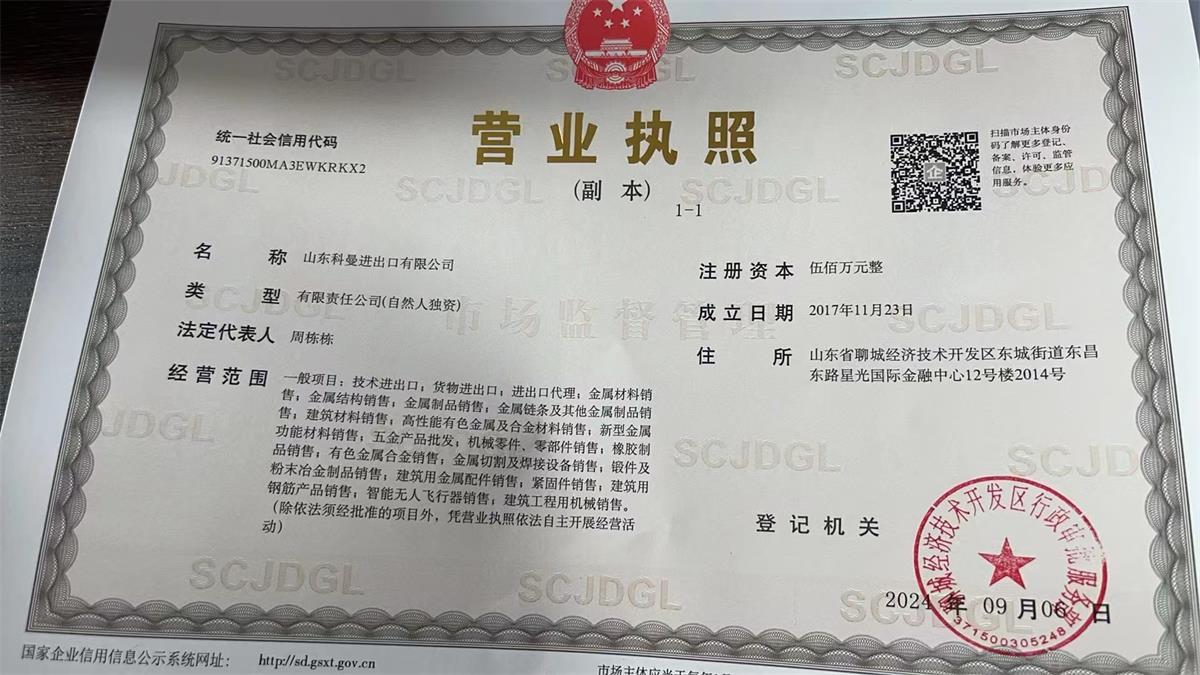
Address:Shandong Keman Import and Export Co., Ltd.

The Connection Between Differential Thickness Tinplate and Architectural Innovation
Release time:
2026-05-05
The Connection Between Differential Thickness Tinplate and Architectural Innovation Table of Contents 1. Introduction to Differential Thickness Tinplate 2. Importance of Tinplate in Architectural Design 3. Understanding Differential Thickness in Tinplate 4. Benefits of Differential Thickness Tinplate 5. Applications of Differential Thickness Tinplate in Modern Architecture
The Connection Between Differential Thickness Tinplate and Architectural Innovation
Table of Contents
- 1. Introduction to Differential Thickness Tinplate
- 2. Importance of Tinplate in Architectural Design
- 3. Understanding Differential Thickness in Tinplate
- 4. Benefits of Differential Thickness Tinplate
- 5. Applications of Differential Thickness Tinplate in Modern Architecture
- 6. Case Studies of Architectural Innovation
- 7. Sustainability and Environmental Impact
- 8. The Future of Differential Thickness Tinplate in Architectural Design
- 9. Frequently Asked Questions
- 10. Conclusion
1. Introduction to Differential Thickness Tinplate
Differential thickness tinplate is an innovative material increasingly used in the construction industry, particularly within architectural design. This type of tinplate is characterized by variations in thickness across its surface, which allows for enhanced performance and flexibility. The engineering behind differential thickness tinplate offers architects and builders a unique opportunity to explore new designs and improve existing structures.
As modern architecture pushes the boundaries of creativity and sustainability, the demand for versatile and durable materials becomes paramount. Differential thickness tinplate meets these needs effectively, fostering innovation in various architectural applications.
2. Importance of Tinplate in Architectural Design
Tinplate has long been favored in construction due to its corrosion resistance, strength, and formability. Its importance in architectural design cannot be overstated, as it plays a vital role in both structural integrity and aesthetic appeal.
**Durability and Corrosion Resistance**: One of the primary reasons architects choose tinplate is its robust nature. As a protective coating, tin effectively shields the underlying steel from rust and degradation, ensuring longevity.
**Versatility in Design**: Tinplate’s ability to be formed into various shapes allows architects to experiment with creative designs. This versatility opens doors to unique roofing solutions, wall cladding, and decorative elements within architectural projects.
**Cost-Effectiveness**: Compared to other materials, tinplate is often more economical, making it an attractive option for large-scale projects where budget constraints are critical.
3. Understanding Differential Thickness in Tinplate
Differential thickness tinplate refers to sheets of tinplate that have varying thicknesses across their surface. This property can be achieved through specific manufacturing processes that alter the material's thickness while maintaining its overall structural integrity.
**Manufacturing Process**: The production of differential thickness tinplate involves processes such as cold rolling, where the thickness is precisely controlled. This method allows manufacturers to create sheets tailored to specific architectural requirements, enhancing their functional properties.
**Mechanical Properties**: The variation in thickness can lead to improved mechanical properties, such as tensile strength and ductility. These characteristics are critical in architectural applications where materials must withstand various stresses and strains during their lifetime.
4. Benefits of Differential Thickness Tinplate
The application of differential thickness tinplate in construction provides several benefits that enhance both architectural design and structural performance.
**Enhanced Structural Performance**: By varying the thickness, architects can design components that are stronger where needed while reducing unnecessary material in less critical areas. This leads to more efficient buildings that use resources wisely.
**Weight Reduction**: Lighter structures can be achieved without compromising durability. This reduction in weight can also lower transportation and installation costs, making differential thickness tinplate a practical choice for builders.
**Aesthetic Flexibility**: The ability to create intricate designs and patterns using tinplate allows architects to bring their visions to life. Whether used for roofing or decorative facades, differential thickness tinplate adds an artistic element to buildings.
5. Applications of Differential Thickness Tinplate in Modern Architecture
Differential thickness tinplate is being utilized in various architectural applications, showcasing its versatility and innovative potential.
**Facades and Cladding**: The use of tinplate for building facades offers both aesthetic appeal and functional benefits. Its corrosion resistance ensures longevity, while varying thickness can provide unique visual effects.
**Roofing Solutions**: Architects are increasingly opting for tinplate roofing due to its lightweight nature and durability. Differential thickness allows for customized solutions that can meet specific regional weather conditions.
**Interior Design Elements**: Beyond traditional uses, differential thickness tinplate can also be incorporated into interior design. From decorative panels to furniture components, this material can enhance the overall aesthetic of a space.
6. Case Studies of Architectural Innovation
Examining real-world applications of differential thickness tinplate can provide valuable insights into its impact on architectural innovation.
**Case Study 1: The Eco-Friendly Skyscraper**: A recent skyscraper in a metropolitan area incorporated differential thickness tinplate in its facade. This design not only provided a modern aesthetic but also contributed to energy efficiency by reflecting sunlight and reducing heat absorption.
**Case Study 2: The Modular Housing Project**: In a modular housing initiative, differential thickness tinplate was used for roofing and walls. The lightweight properties allowed for quicker assembly, reducing labor costs and construction time while maintaining structural integrity.
**Case Study 3: The Artistic Pavilion**: An art pavilion showcased the aesthetic potential of differential thickness tinplate. The architects utilized varying thicknesses to create an undulating surface that captures light beautifully, enhancing the visitor experience.
7. Sustainability and Environmental Impact
Sustainability is a crucial consideration in modern architecture, and differential thickness tinplate aligns with these goals in several ways.
**Resource Efficiency**: By optimizing material usage through varying thicknesses, architects can minimize waste and reduce the overall environmental footprint of construction projects.
**Recyclability**: Tinplate is highly recyclable, and using recycled materials in construction further enhances sustainability efforts. This aligns with the increasing demand for environmentally-friendly building practices.
**Energy Efficiency**: Structures utilizing differential thickness tinplate can achieve better energy performance due to their lightweight and insulating properties, contributing to lower energy consumption over their lifespan.
8. The Future of Differential Thickness Tinplate in Architectural Design
The future of differential thickness tinplate in architecture appears bright, with ongoing innovations and advancements anticipated in material science.
**Technological Advancements**: As manufacturing technologies evolve, the ability to produce even more precise and diverse tinplate products will expand. This advancement will lead to greater customization and enhanced architectural possibilities.
**Integration with Smart Technologies**: Future developments may see differential thickness tinplate integrated with smart technologies, such as sensors and energy systems, to create buildings that are not only aesthetically pleasing but also intelligent and responsive.
**Increased Acceptance**: As architects and builders recognize the benefits of differential thickness tinplate, its use is expected to grow. Educational initiatives and case studies showcasing successful projects will foster greater acceptance and innovation in design.
9. Frequently Asked Questions
What is differential thickness tinplate?
Differential thickness tinplate refers to sheets of tinplate with varying thicknesses across their surface, providing enhanced performance and design flexibility.
How does differential thickness tinplate benefit architectural design?
The varying thickness allows for optimized structural performance, weight reduction, and aesthetic versatility, making it an ideal choice for modern architecture.
Is differential thickness tinplate sustainable?
Yes, differential thickness tinplate contributes to sustainability through resource efficiency, recyclability, and energy-efficient building solutions.
Where is differential thickness tinplate typically used in architecture?
It is commonly used in facades, roofing, and even interior design elements, showcasing its versatility in modern architectural applications.
How does differential thickness impact the cost of construction?
By reducing material waste and optimizing structural components, differential thickness tinplate can lead to lower overall construction costs.
10. Conclusion
In conclusion, the connection between differential thickness tinplate and architectural innovation is profound. This versatile material not only enhances the structural integrity of buildings but also opens new avenues for creative expression in architectural design. By understanding and harnessing the unique properties of differential thickness tinplate, architects can lead the way in creating sustainable, efficient, and aesthetically appealing structures that define the future of construction. As we continue to explore the potential of this material, it is clear that differential thickness tinplate will play a pivotal role in shaping the architectural landscape for years to come.
Latest News
Innovative Applications of Carbon Steel Plates in Building Designs
Innovative Applications of Carbon Steel Plates in Building Designs Carbon steel plates have emerged as a cornerstone material in the construction industry, gaining acclaim for their versatility, strength, and aesthetic potential. As the demand for innovative design solutions escalates, architects and builders are increasingly incorporating carbon steel plates into their projects. This article expl
2026-09-22
Understanding A514 Carbon Steel Plate: Key Characteristics and Applications
A514 Carbon Steel Plate is a high-yield strength steel that has become a preferred choice in various industrial applications, particularly in the fields of metallurgy and energy. This type of steel is known for its excellent mechanical properties, making it suitable for demanding environments where strength and durability are paramount. One of the key characteristics of A514 Carbon Steel Plate is
2026-09-17
How A387 Carbon Alloy Steel Plate Enhances Structural Integrity in Construction
How A387 Carbon Alloy Steel Plate Enhances Structural Integrity in Construction Table of Contents 1. Introduction to A387 Carbon Alloy Steel Plate 2. What is A387 Carbon Alloy Steel? 3. Key Properties of A387 Carbon Alloy Steel Plates 4. Manufacturing Process of A387 Steel Plates 5. Applications of A387 Carbon Alloy Steel Plates 6. Advantages of Using A387 Carbon Alloy Ste
2026-09-12
Understanding A285 Carbon Steel Pressure Plates: Essential Insights for Construction and Design
A285 Carbon Steel Pressure Plates are primarily used in pressure vessel fabrication and construction applications. This type of steel is known for its good weldability and formability, making it a favorable choice for various structural components. The ASTM A285 standard specifically governs the specifications for carbon steel plates intended for low-pressure service. One of the key characteristic
2026-09-07
The Role of 5A05 Aluminum Plate in Enhancing Building Aesthetics
The Role of 5A05 Aluminum Plate in Enhancing Building Aesthetics Table of Contents 1. Introduction to 5A05 Aluminum Plates 2. Properties of 5A05 Aluminum Plates 3. Applications of 5A05 Aluminum Plates in Architecture 4. Aesthetic Advantages of Using 5A05 Aluminum Plates 5. Sustainability and Environmental Impact 6. Installation and Maintenance of 5A05 Aluminum Plates 7
2026-09-02
Understanding B500 Steel Reinforcement: Key Insights for Professionals in Construction Machinery
B500 steel reinforcement is a critical component in the construction industry, particularly in manufacturing and processing machinery for engineering and construction projects. This high-strength steel bar is widely used in reinforced concrete structures, providing the necessary tensile strength to support heavy loads and withstand various stresses. One of the defining characteristics of B500 stee
2026-08-28


Copyright 2025 : Shandong Keman Import and Export Co., Ltd. Powered by:CEglobal SEO BUSINESS LICENSE