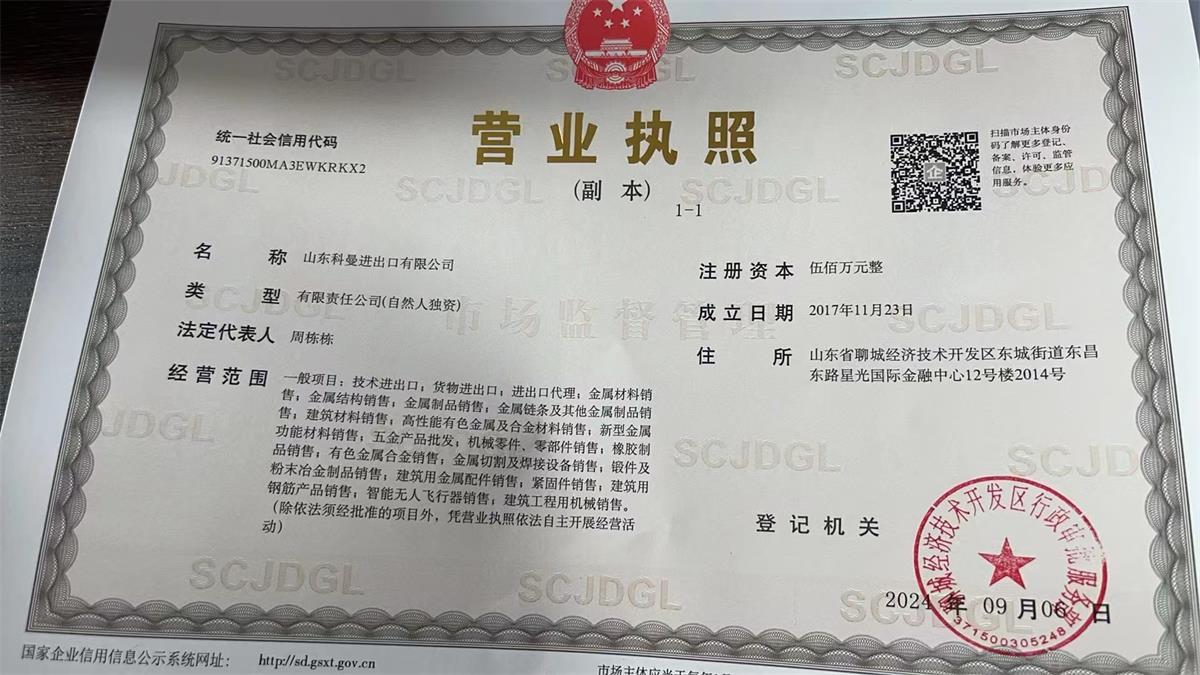
Address:Shandong Keman Import and Export Co., Ltd.

Unlocking the Benefits of Customized A588 Low Alloy Structural Steel Plates
Release time:
2026-07-07
Unlocking the Benefits of Customized A588 Low Alloy Structural Steel Plates Table of Contents 1. Introduction to A588 Low Alloy Structural Steel Plates 2. Key Properties of A588 Low Alloy Steel 3. Applications of Customized A588 Steel Plates 4. Benefits of Using Customized A588 Steel Plates 5. Manufacturing Process of A588 Steel Plates 6. A588 vs. Other Steel Alloys 7.
Unlocking the Benefits of Customized A588 Low Alloy Structural Steel Plates
Table of Contents
- 1. Introduction to A588 Low Alloy Structural Steel Plates
- 2. Key Properties of A588 Low Alloy Steel
- 3. Applications of Customized A588 Steel Plates
- 4. Benefits of Using Customized A588 Steel Plates
- 5. Manufacturing Process of A588 Steel Plates
- 6. A588 vs. Other Steel Alloys
- 7. Customization Options for A588 Steel Plates
- 8. Frequently Asked Questions about A588 Low Alloy Steel
- 9. Conclusion
1. Introduction to A588 Low Alloy Structural Steel Plates
In the world of construction and manufacturing, the choice of materials significantly impacts the durability, cost-effectiveness, and overall success of a project. **A588 low alloy structural steel plates** have gained considerable attention due to their unique composition and remarkable properties. This article aims to delve deep into the benefits of customized A588 steel plates, providing insights that cater to both industry professionals and decision-makers.
2. Key Properties of A588 Low Alloy Steel
A588 steel is renowned for its **high strength-to-weight ratio**, making it an ideal choice for structures that require both robustness and lightweight characteristics. The following properties make A588 a preferred material:
2.1 Corrosion Resistance
A588 low alloy steel is specifically designed to develop a natural protective patina that enhances its corrosion resistance. This feature is critical for projects in harsh environments, reducing maintenance costs and extending the service life of structures.
2.2 Strength and Durability
With a minimum yield strength of 50 ksi, A588 steel provides excellent strength, making it suitable for various demanding applications. Its durability ensures that structures maintain integrity over time, even under significant loads and stress.
2.3 Weldability
A588 steel can be easily welded without the need for preheating, allowing for straightforward fabrication and assembly. This property makes it a go-to choice for projects requiring intricate designs and robust joints.
2.4 Weight Efficiency
The lightweight nature of A588 low alloy structural steel plates translates to lower shipping and handling costs. Additionally, using lighter materials can significantly reduce foundation requirements and overall project costs.
3. Applications of Customized A588 Steel Plates
A588 low alloy structural steel plates are versatile and can be used in a wide range of applications, including:
3.1 Bridges and Overpasses
The strength and corrosion resistance of A588 make it ideal for bridge construction, ensuring longevity and safety without frequent maintenance.
3.2 Commercial Construction
Many commercial buildings utilize A588 steel for structural framing, providing both aesthetic appeal and structural integrity. The material's resistance to oxidation enhances the building's visual appeal over time.
3.3 Industrial Storage Facilities
In warehouses and industrial facilities, A588 steel plates can be customized for shelving and racking systems, ensuring that they can withstand heavy loads and resist wear.
3.4 Wind Turbines
The renewable energy sector benefits from A588’s properties, with many wind turbine structures built from this durable material to ensure stability and efficiency.
4. Benefits of Using Customized A588 Steel Plates
Investing in customized A588 low alloy structural steel plates brings numerous advantages that can enhance project outcomes:
4.1 Tailored Solutions
Customization allows engineers and designers to specify dimensions, thicknesses, and tolerances, ensuring that materials fit perfectly into their intended applications. This adaptability can be critical for complex projects.
4.2 Cost Efficiency
By reducing material waste through precise customization, projects can significantly decrease overall costs. Additionally, the longevity of A588 steel reduces the need for replacements and repairs, leading to further savings.
4.3 Performance Optimization
Custom A588 plates can be designed to meet specific load requirements, ensuring optimal performance in various conditions. This targeted approach enhances the overall efficiency of structures.
4.4 Enhanced Aesthetic Appeal
Customized finishes and coatings can be applied to A588 steel plates, enhancing their visual appeal and allowing them to blend seamlessly with surrounding architecture.
5. Manufacturing Process of A588 Steel Plates
Understanding the manufacturing process of A588 low alloy structural steel plates is essential for appreciating their unique qualities. The process typically involves the following steps:
5.1 Steel Production
The production of A588 steel begins with its alloying elements, such as copper, chromium, nickel, and phosphorus, combined in controlled quantities to achieve the desired properties.
5.2 Hot Rolling
The steel is then subjected to hot rolling, a process that involves heating the steel to high temperatures and passing it through rollers to achieve the desired thickness and finish.
5.3 Cutting and Fabrication
Once rolled, the steel is cut into customized dimensions as per project requirements. Advanced fabrication techniques, including laser cutting and CNC machining, ensure precision.
5.4 Surface Treatment
Finally, surface treatments such as shot blasting or coating are applied to enhance corrosion resistance and improve aesthetic appeal.
6. A588 vs. Other Steel Alloys
When selecting materials for construction, comparing A588 with other steel alloys is crucial.
6.1 A588 vs. A36 Steel
While A36 steel is commonly used for structural applications due to its affordability, A588 offers superior corrosion resistance and strength, making it a better choice for demanding environments.
6.2 A588 vs. A572 Steel
A572 steel is another popular option, known for its high strength. However, A588’s additional corrosion resistance makes it preferable for outdoor applications, especially in harsh climates.
6.3 A588 vs. Stainless Steel
While stainless steel provides excellent corrosion resistance, it often comes at a higher cost. A588 offers a more economical solution without sacrificing durability, making it suitable for various applications.
7. Customization Options for A588 Steel Plates
The ability to customize A588 steel plates adds tremendous value to projects. Here are some key customization options available:
7.1 Thickness Variability
Customers can specify the thickness of A588 plates, ensuring that they meet the load-bearing requirements of their projects.
7.2 Surface Finishes
Customized surface finishes, such as galvanized or painted coatings, can be applied to enhance aesthetic appeal and protect against corrosion.
7.3 Enhanced Dimensions
Custom dimensions allow for precise fitment, eliminating the need for extensive on-site modifications and ensuring quicker installation.
7.4 Special Alloys
For projects with specific requirements, A588 can be alloyed with additional elements to enhance particular properties, such as improved weldability or elevated temperature resistance.
8. Frequently Asked Questions about A588 Low Alloy Steel
8.1 What is the primary advantage of A588 steel?
The primary advantage of A588 steel is its exceptional corrosion resistance, which significantly reduces maintenance needs and extends the lifespan of structures.
8.2 Can A588 steel be welded?
Yes, A588 steel can be easily welded without the need for preheating, making it a convenient choice for construction projects.
8.3 What industries commonly use A588 steel plates?
A588 steel plates are commonly used in construction, transportation, energy, and manufacturing industries for various applications.
8.4 How does A588 compare to carbon steel?
A588 offers superior corrosion resistance and strength compared to standard carbon steel, making it more suitable for challenging environments.
8.5 What are the environmental benefits of using A588 steel?
By reducing the frequency of repairs and replacements, A588 steel contributes to lower waste and resource consumption, promoting sustainability in construction.
9. Conclusion
Customized A588 low alloy structural steel plates offer a plethora of benefits that make them an ideal choice for various construction and manufacturing applications. Their superior strength, corrosion resistance, and versatility, combined with the advantages of customization, create opportunities for enhanced project outcomes. By investing in A588 steel plates, you not only ensure structural integrity and durability but also contribute to cost efficiency and sustainability in your projects. Explore the vast possibilities with A588 steel and unlock the potential of your construction endeavors today.
Latest News
Innovative Applications of Carbon Steel Plates in Building Designs
Innovative Applications of Carbon Steel Plates in Building Designs Carbon steel plates have emerged as a cornerstone material in the construction industry, gaining acclaim for their versatility, strength, and aesthetic potential. As the demand for innovative design solutions escalates, architects and builders are increasingly incorporating carbon steel plates into their projects. This article expl
2026-09-22
Understanding A514 Carbon Steel Plate: Key Characteristics and Applications
A514 Carbon Steel Plate is a high-yield strength steel that has become a preferred choice in various industrial applications, particularly in the fields of metallurgy and energy. This type of steel is known for its excellent mechanical properties, making it suitable for demanding environments where strength and durability are paramount. One of the key characteristics of A514 Carbon Steel Plate is
2026-09-17
How A387 Carbon Alloy Steel Plate Enhances Structural Integrity in Construction
How A387 Carbon Alloy Steel Plate Enhances Structural Integrity in Construction Table of Contents 1. Introduction to A387 Carbon Alloy Steel Plate 2. What is A387 Carbon Alloy Steel? 3. Key Properties of A387 Carbon Alloy Steel Plates 4. Manufacturing Process of A387 Steel Plates 5. Applications of A387 Carbon Alloy Steel Plates 6. Advantages of Using A387 Carbon Alloy Ste
2026-09-12
Understanding A285 Carbon Steel Pressure Plates: Essential Insights for Construction and Design
A285 Carbon Steel Pressure Plates are primarily used in pressure vessel fabrication and construction applications. This type of steel is known for its good weldability and formability, making it a favorable choice for various structural components. The ASTM A285 standard specifically governs the specifications for carbon steel plates intended for low-pressure service. One of the key characteristic
2026-09-07
The Role of 5A05 Aluminum Plate in Enhancing Building Aesthetics
The Role of 5A05 Aluminum Plate in Enhancing Building Aesthetics Table of Contents 1. Introduction to 5A05 Aluminum Plates 2. Properties of 5A05 Aluminum Plates 3. Applications of 5A05 Aluminum Plates in Architecture 4. Aesthetic Advantages of Using 5A05 Aluminum Plates 5. Sustainability and Environmental Impact 6. Installation and Maintenance of 5A05 Aluminum Plates 7
2026-09-02
Understanding B500 Steel Reinforcement: Key Insights for Professionals in Construction Machinery
B500 steel reinforcement is a critical component in the construction industry, particularly in manufacturing and processing machinery for engineering and construction projects. This high-strength steel bar is widely used in reinforced concrete structures, providing the necessary tensile strength to support heavy loads and withstand various stresses. One of the defining characteristics of B500 stee
2026-08-28


Copyright 2025 : Shandong Keman Import and Export Co., Ltd. Powered by:CEglobal SEO BUSINESS LICENSE