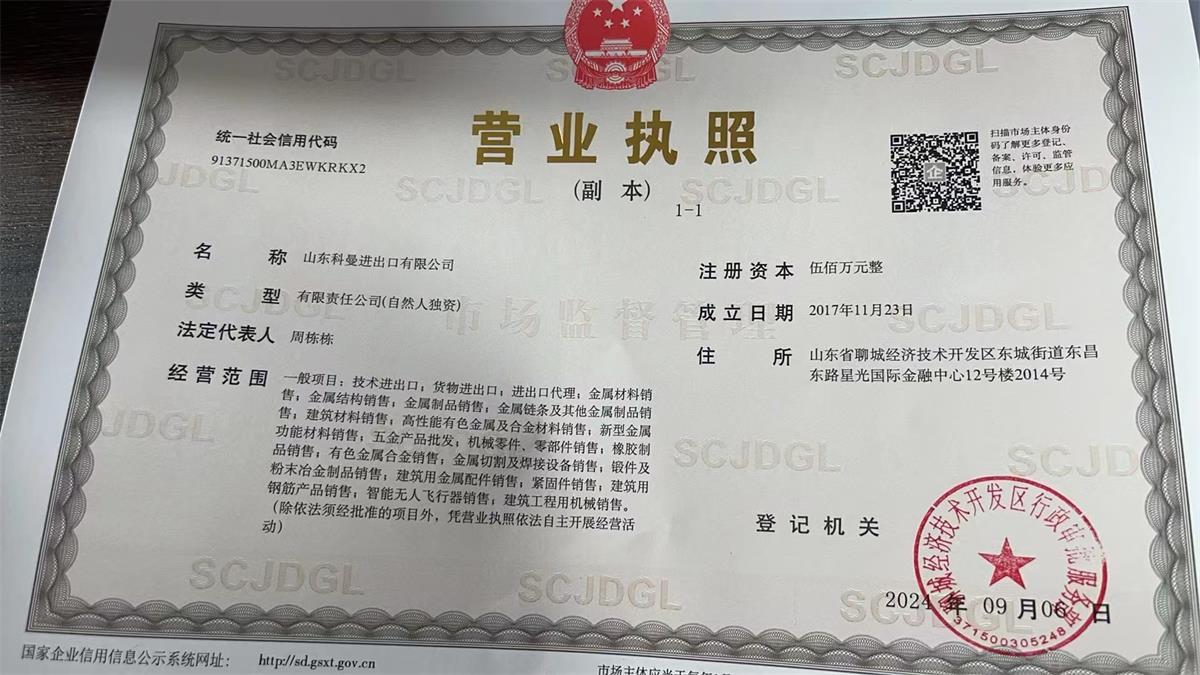
Address:Shandong Keman Import and Export Co., Ltd.

How to Choose the Right Carbon Steel Plate for Your Building Needs
Release time:
2026-08-03
How to Choose the Right Carbon Steel Plate for Your Building Needs Table of Contents Understanding Carbon Steel Plates Types of Carbon Steel Plates Properties of Carbon Steel Grades of Carbon Steel Plates Applications of Carbon Steel Plates Factors to Consider When Choosing Carbon Steel Plates Sourcing Carbon Steel Plates Frequently Asked Questions Conclusion
How to Choose the Right Carbon Steel Plate for Your Building Needs
Table of Contents
- Understanding Carbon Steel Plates
- Types of Carbon Steel Plates
- Properties of Carbon Steel
- Grades of Carbon Steel Plates
- Applications of Carbon Steel Plates
- Factors to Consider When Choosing Carbon Steel Plates
- Sourcing Carbon Steel Plates
- Frequently Asked Questions
- Conclusion
Understanding Carbon Steel Plates
Carbon steel plates are essential materials in the construction industry, known for their versatility and strength. These plates are primarily composed of iron and carbon, with a carbon content that typically ranges from 0.05% to 2.0%. Their properties make them suitable for a wide range of applications, from structural components to heavy machinery. Understanding the characteristics and types of carbon steel plates is vital for making informed decisions regarding their use in construction projects.
Types of Carbon Steel Plates
There are several types of carbon steel plates available, each designed for specific uses. The primary categories include:
1. Low Carbon Steel Plates
Low carbon steel plates contain up to 0.3% carbon. They are ductile, easy to weld, and often used in applications where high toughness is required, such as in automotive manufacturing and structural applications.
2. Medium Carbon Steel Plates
Medium carbon steel plates have a carbon content between 0.3% and 0.6%. They offer a balance between strength and ductility, making them suitable for machinery parts, gears, and construction materials.
3. High Carbon Steel Plates
High carbon steel plates consist of 0.6% to 2.0% carbon. These plates are known for their hardness and strength but are less ductile. They are used in applications requiring high wear resistance, such as cutting tools and high-strength components.
Properties of Carbon Steel
Carbon steel is favored in construction due to several inherent properties:
- High Strength: Carbon steel plates provide excellent tensile strength, making them ideal for structural applications.
- Ductility: With varying carbon content, these plates can bend and shape without breaking.
- Weldability: Most carbon steel plates can be welded easily, essential for construction applications.
- Cost-Effectiveness: Carbon steel is widely available and comparatively inexpensive, making it a popular choice in construction.
Grades of Carbon Steel Plates
Carbon steel plates come in various grades that indicate their mechanical and chemical properties. Understanding these grades is crucial for selecting the right plate for your project:
1. ASTM A36
One of the most common carbon steel grades, ASTM A36, is known for its good weldability and strength. It is widely used in structural applications.
2. ASTM A572
This grade offers higher strength and is often used in applications requiring higher load capacities, such as bridges and high-rise buildings.
3. ASTM A992
Primarily used in steel construction, ASTM A992 provides excellent weldability and is designed for buildings and bridges.
Applications of Carbon Steel Plates
Carbon steel plates have diverse applications across various industries:
1. Construction and Structural Steelwork
Carbon steel plates are foundational in construction, used for beams, columns, and other structural components. Their strength and durability ensure stability in buildings.
2. Manufacturing of Machinery
Various machinery components, including frames, chassis, and structural parts, utilize carbon steel plates due to their robust nature.
3. Automotive Industry
In automotive manufacturing, carbon steel plates are essential for producing body structures and other components that require high strength and impact resistance.
Factors to Consider When Choosing Carbon Steel Plates
Selecting the right carbon steel plate involves evaluating several factors:
1. Mechanical Properties
Understand the mechanical properties, including yield strength, tensile strength, and hardness, to ensure the plate meets your project requirements.
2. Thickness and Size
Determine the required thickness and dimensions of the plates based on your specific application. Standard sizes are available, but custom dimensions can be ordered if needed.
3. Corrosion Resistance
While carbon steel has excellent structural properties, it can be susceptible to corrosion. Consider applying protective coatings or selecting weather-resistant grades for outdoor applications.
4. Fabrication Needs
Evaluate the fabrication processes required, such as cutting, welding, or machining. Ensure the selected steel plate can be easily manipulated according to your project's needs.
5. Compliance with Standards
Ensure that the carbon steel plates meet relevant industry standards and specifications to guarantee quality and reliability.
Sourcing Carbon Steel Plates
Choosing the right supplier for carbon steel plates is crucial to obtain high-quality materials. Consider the following:
1. Reputation and Experience
Opt for suppliers with a solid reputation in the industry and extensive experience providing carbon steel plates.
2. Quality Assurance
Ensure that the supplier follows stringent quality control measures and provides certifications for their products.
3. Pricing and Availability
Compare pricing among various suppliers to ensure you receive competitive rates without compromising quality. Also, check the availability of required sizes and grades to avoid delays in your project.
Frequently Asked Questions
1. What is the difference between low, medium, and high carbon steel plates?
Low carbon steel plates contain less than 0.3% carbon and are ductile and easily welded. Medium carbon steel has a carbon content between 0.3% and 0.6%, offering a balance of strength and ductility, while high carbon steel plates, containing 0.6% to 2.0% carbon, are strong but less ductile.
2. How do I determine the right thickness for my carbon steel plate?
The thickness depends on the structural requirements of your project. Consider the load-bearing needs and consult engineering guidelines to make an informed decision.
3. Can carbon steel plates be used in outdoor applications?
Yes, but it is essential to consider corrosion resistance. Using weather-resistant grades or applying protective coatings can enhance durability in outdoor settings.
4. Are carbon steel plates easy to weld?
Most carbon steel plates have good weldability, especially low and medium carbon steels, making them suitable for construction and fabrication applications.
5. What standards should I look for when selecting carbon steel plates?
Look for compliance with industry standards such as ASTM, ISO, or other relevant regulations to ensure material quality and performance.
Conclusion
Choosing the right carbon steel plate for your building needs is a critical decision that impacts the durability and strength of your construction projects. By understanding the different types, properties, and grades of carbon steel plates, and considering essential factors such as mechanical properties and compliance with industry standards, you can make informed selections. Sourcing from reputable suppliers further ensures that you receive high-quality materials tailored for your specific applications. Armed with this comprehensive knowledge, you are well-equipped to choose the ideal carbon steel plate that meets your building requirements.
Latest News
Innovative Applications of Carbon Steel Plates in Building Designs
Innovative Applications of Carbon Steel Plates in Building Designs Carbon steel plates have emerged as a cornerstone material in the construction industry, gaining acclaim for their versatility, strength, and aesthetic potential. As the demand for innovative design solutions escalates, architects and builders are increasingly incorporating carbon steel plates into their projects. This article expl
2026-09-22
Understanding A514 Carbon Steel Plate: Key Characteristics and Applications
A514 Carbon Steel Plate is a high-yield strength steel that has become a preferred choice in various industrial applications, particularly in the fields of metallurgy and energy. This type of steel is known for its excellent mechanical properties, making it suitable for demanding environments where strength and durability are paramount. One of the key characteristics of A514 Carbon Steel Plate is
2026-09-17
How A387 Carbon Alloy Steel Plate Enhances Structural Integrity in Construction
How A387 Carbon Alloy Steel Plate Enhances Structural Integrity in Construction Table of Contents 1. Introduction to A387 Carbon Alloy Steel Plate 2. What is A387 Carbon Alloy Steel? 3. Key Properties of A387 Carbon Alloy Steel Plates 4. Manufacturing Process of A387 Steel Plates 5. Applications of A387 Carbon Alloy Steel Plates 6. Advantages of Using A387 Carbon Alloy Ste
2026-09-12
Understanding A285 Carbon Steel Pressure Plates: Essential Insights for Construction and Design
A285 Carbon Steel Pressure Plates are primarily used in pressure vessel fabrication and construction applications. This type of steel is known for its good weldability and formability, making it a favorable choice for various structural components. The ASTM A285 standard specifically governs the specifications for carbon steel plates intended for low-pressure service. One of the key characteristic
2026-09-07
The Role of 5A05 Aluminum Plate in Enhancing Building Aesthetics
The Role of 5A05 Aluminum Plate in Enhancing Building Aesthetics Table of Contents 1. Introduction to 5A05 Aluminum Plates 2. Properties of 5A05 Aluminum Plates 3. Applications of 5A05 Aluminum Plates in Architecture 4. Aesthetic Advantages of Using 5A05 Aluminum Plates 5. Sustainability and Environmental Impact 6. Installation and Maintenance of 5A05 Aluminum Plates 7
2026-09-02
Understanding B500 Steel Reinforcement: Key Insights for Professionals in Construction Machinery
B500 steel reinforcement is a critical component in the construction industry, particularly in manufacturing and processing machinery for engineering and construction projects. This high-strength steel bar is widely used in reinforced concrete structures, providing the necessary tensile strength to support heavy loads and withstand various stresses. One of the defining characteristics of B500 stee
2026-08-28


Copyright 2025 : Shandong Keman Import and Export Co., Ltd. Powered by:CEglobal SEO BUSINESS LICENSE