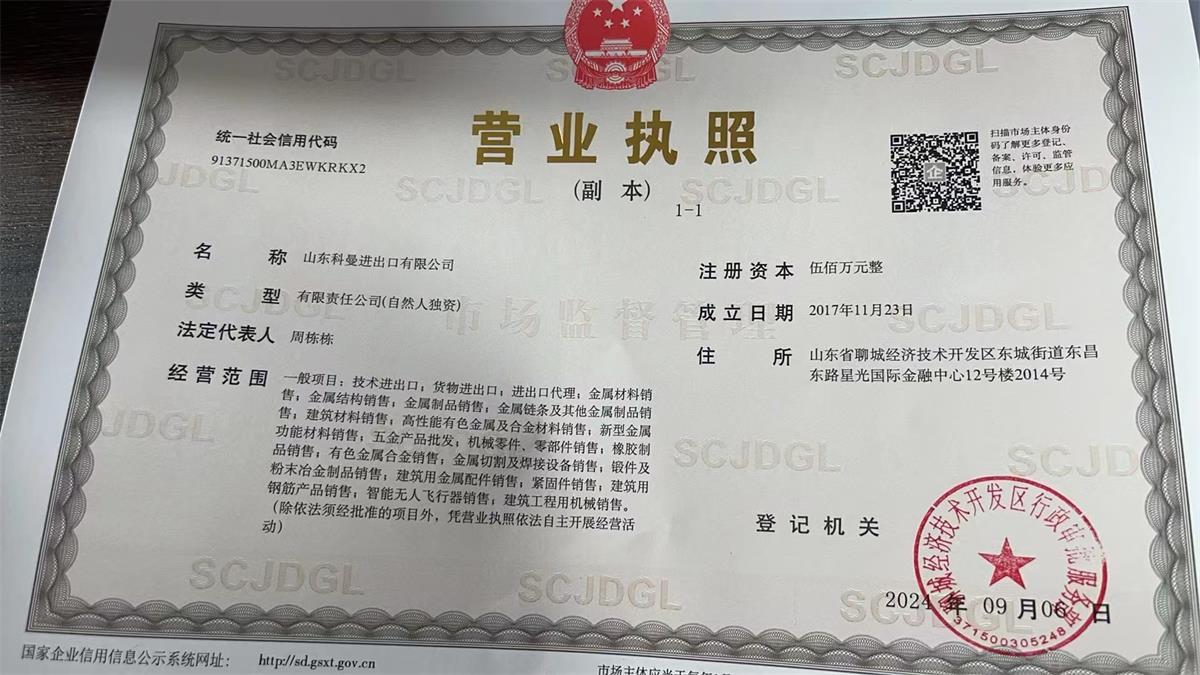
Address:Shandong Keman Import and Export Co., Ltd.

Tin Plated Coil: A Durable Choice for Building Materials
Release time:
2026-08-23
Tin Plated Coil: A Durable Choice for Building Materials Table of Contents 1. Introduction to Tin Plated Coils 2. What is Tin Plated Coil? 3. Advantages of Tin Plated Coils in Construction 4. Applications of Tin Plated Coils in Building Materials 5. Tin Plated Coil vs. Galvanized Coil 6. Environmental Impact of Tin Plated Coils 7. Maintenance and Care of Tin Plated Coi
Tin Plated Coil: A Durable Choice for Building Materials
Table of Contents
- 1. Introduction to Tin Plated Coils
- 2. What is Tin Plated Coil?
- 3. Advantages of Tin Plated Coils in Construction
- 4. Applications of Tin Plated Coils in Building Materials
- 5. Tin Plated Coil vs. Galvanized Coil
- 6. Environmental Impact of Tin Plated Coils
- 7. Maintenance and Care of Tin Plated Coils
- 8. Conclusion
- 9. FAQs
1. Introduction to Tin Plated Coils
In the realm of building materials, **tin plated coils** stand out as an exceptional choice due to their remarkable properties. Builders and architects alike have come to appreciate the versatility, durability, and aesthetic advantages that these coils offer. Whether used for roofing, siding, or other structural components, tin plated coils have become synonymous with quality in the construction industry.
2. What is Tin Plated Coil?
Tin plated coils are steel substrates coated with a thin layer of tin. This coating not only enhances the **corrosion resistance** of the steel but also provides a smooth, shiny surface that is visually appealing. The process of tin plating involves electroplating or hot-dipping, resulting in a product that is both durable and malleable. Tin plated coils can be easily formed into various shapes, making them ideal for diverse applications in construction and decoration.
3. Advantages of Tin Plated Coils in Construction
The **benefits of using tin plated coils** in building materials are many, including:
3.1 Durability and Longevity
Tin plated coils exhibit exceptional resistance to rust and corrosion, significantly extending their lifespan compared to untreated steel. This durability translates into lower maintenance costs and reduced need for replacements, making them a wise investment in construction projects.
3.2 Aesthetic Appeal
The shiny, polished finish of tin plated coils adds an attractive element to architectural designs. They can be used in visible areas, contributing to the overall aesthetic of a building without compromising performance.
3.3 Lightweight Nature
Despite their strength, tin plated coils are relatively lightweight, making them easier to handle and install. This characteristic can lead to reduced shipping costs and simplified on-site logistics.
3.4 Enhanced Formability
Tin plated coils can be easily formed into intricate shapes, allowing for greater design flexibility in construction. This feature is particularly advantageous in custom projects where unique designs are essential.
3.5 Environmental Benefits
Since tin is a naturally occurring element, tin plated coils are considered environmentally friendly compared to other coated metals. They can be recycled, contributing to sustainability in construction practices.
4. Applications of Tin Plated Coils in Building Materials
The versatility of tin plated coils allows them to be employed in a variety of applications, including:
4.1 Roofing Solutions
Tin plated coils are often used as roofing materials due to their resistance to weathering and corrosion. They can withstand harsh environmental conditions while maintaining their structural integrity.
4.2 Decorative Elements
Architects frequently utilize tin plated coils for decorative trims, accents, and finishes. Their shiny surface provides an elegant touch to both residential and commercial buildings.
4.3 HVAC Components
In heating, ventilation, and air conditioning systems, tin plated coils are ideal for ductwork due to their robustness and thermal efficiency.
4.4 Electrical Applications
The excellent conductivity of tin makes these coils suitable for electrical applications, including wiring and circuit boards, where performance and reliability are paramount.
4.5 Food Packaging
Due to their non-toxic nature, tin plated coils are also employed in food packaging, ensuring safety and quality in food preservation.
5. Tin Plated Coil vs. Galvanized Coil
While both tin plated and galvanized coils serve similar purposes in protecting steel from corrosion, there are notable differences that set them apart:
5.1 Coating Composition
Tin plated coils feature a thin layer of tin, while galvanized coils are coated with a layer of zinc. This difference affects their aesthetic and performance characteristics.
5.2 Corrosion Resistance
Tin plated coils offer superior corrosion resistance in certain environments, particularly where food contact is involved. Galvanized coils, however, may perform better in harsher industrial settings.
5.3 Application Suitability
The choice between these materials often depends on specific project requirements. For decorative purposes and food-related applications, tin plated coils are preferred, while galvanized coils excel in industrial contexts.
6. Environmental Impact of Tin Plated Coils
With growing concerns about sustainability in construction, the environmental impact of materials is an important consideration. Tin plated coils, being recyclable, align well with eco-friendly practices. Additionally, their longevity reduces the need for frequent replacements, further minimizing their environmental footprint.
7. Maintenance and Care of Tin Plated Coils
To ensure the longevity and performance of tin plated coils, proper maintenance is essential:
7.1 Regular Inspections
Conduct routine inspections to identify any signs of wear or damage. Early detection allows for timely repairs, preventing further deterioration.
7.2 Cleaning
Keep the surface free from dirt, debris, and moisture. A gentle cleaning solution and a soft cloth can help maintain the coils' aesthetic appeal and prevent corrosion.
7.3 Protective Coatings
Consider applying additional protective coatings if the coils are exposed to particularly harsh conditions. This can enhance their performance and longevity.
8. Conclusion
In summary, tin plated coils emerge as a **durable choice** for building materials, offering a blend of strength, aesthetic appeal, and environmental benefits. Their versatility in applications, paired with their resistance to corrosion and ease of maintenance, makes them an attractive option for modern construction projects. By choosing tin plated coils, builders and architects can ensure the longevity and performance of their structures, paving the way for sustainable and aesthetically pleasing designs.
9. FAQs
1. What are tin plated coils typically used for?
Tin plated coils are widely used in roofing, decorative elements, HVAC systems, electrical applications, and food packaging due to their durability and corrosion resistance.
2. How do tin plated coils differ from galvanized coils?
The primary difference lies in the coating; tin plated coils are coated with tin, while galvanized coils are coated with zinc. This affects their corrosion resistance and suitability for different applications.
3. Are tin plated coils environmentally friendly?
Yes, tin plated coils are recyclable and offer a lower environmental impact due to their durability, which reduces the need for frequent replacements.
4. How can I maintain my tin plated coils?
Regular inspections, cleaning, and applying protective coatings when necessary can help maintain the performance and appearance of tin plated coils.
5. Can tin plated coils be used in food packaging?
Absolutely! Tin plated coils are safe for food contact and are often used in food packaging due to their non-toxic nature and excellent preservation qualities.
Latest News
Innovative Applications of Carbon Steel Plates in Building Designs
Innovative Applications of Carbon Steel Plates in Building Designs Carbon steel plates have emerged as a cornerstone material in the construction industry, gaining acclaim for their versatility, strength, and aesthetic potential. As the demand for innovative design solutions escalates, architects and builders are increasingly incorporating carbon steel plates into their projects. This article expl
2026-09-22
Understanding A514 Carbon Steel Plate: Key Characteristics and Applications
A514 Carbon Steel Plate is a high-yield strength steel that has become a preferred choice in various industrial applications, particularly in the fields of metallurgy and energy. This type of steel is known for its excellent mechanical properties, making it suitable for demanding environments where strength and durability are paramount. One of the key characteristics of A514 Carbon Steel Plate is
2026-09-17
How A387 Carbon Alloy Steel Plate Enhances Structural Integrity in Construction
How A387 Carbon Alloy Steel Plate Enhances Structural Integrity in Construction Table of Contents 1. Introduction to A387 Carbon Alloy Steel Plate 2. What is A387 Carbon Alloy Steel? 3. Key Properties of A387 Carbon Alloy Steel Plates 4. Manufacturing Process of A387 Steel Plates 5. Applications of A387 Carbon Alloy Steel Plates 6. Advantages of Using A387 Carbon Alloy Ste
2026-09-12
Understanding A285 Carbon Steel Pressure Plates: Essential Insights for Construction and Design
A285 Carbon Steel Pressure Plates are primarily used in pressure vessel fabrication and construction applications. This type of steel is known for its good weldability and formability, making it a favorable choice for various structural components. The ASTM A285 standard specifically governs the specifications for carbon steel plates intended for low-pressure service. One of the key characteristic
2026-09-07
The Role of 5A05 Aluminum Plate in Enhancing Building Aesthetics
The Role of 5A05 Aluminum Plate in Enhancing Building Aesthetics Table of Contents 1. Introduction to 5A05 Aluminum Plates 2. Properties of 5A05 Aluminum Plates 3. Applications of 5A05 Aluminum Plates in Architecture 4. Aesthetic Advantages of Using 5A05 Aluminum Plates 5. Sustainability and Environmental Impact 6. Installation and Maintenance of 5A05 Aluminum Plates 7
2026-09-02
Understanding B500 Steel Reinforcement: Key Insights for Professionals in Construction Machinery
B500 steel reinforcement is a critical component in the construction industry, particularly in manufacturing and processing machinery for engineering and construction projects. This high-strength steel bar is widely used in reinforced concrete structures, providing the necessary tensile strength to support heavy loads and withstand various stresses. One of the defining characteristics of B500 stee
2026-08-28


Copyright 2025 : Shandong Keman Import and Export Co., Ltd. Powered by:CEglobal SEO BUSINESS LICENSE