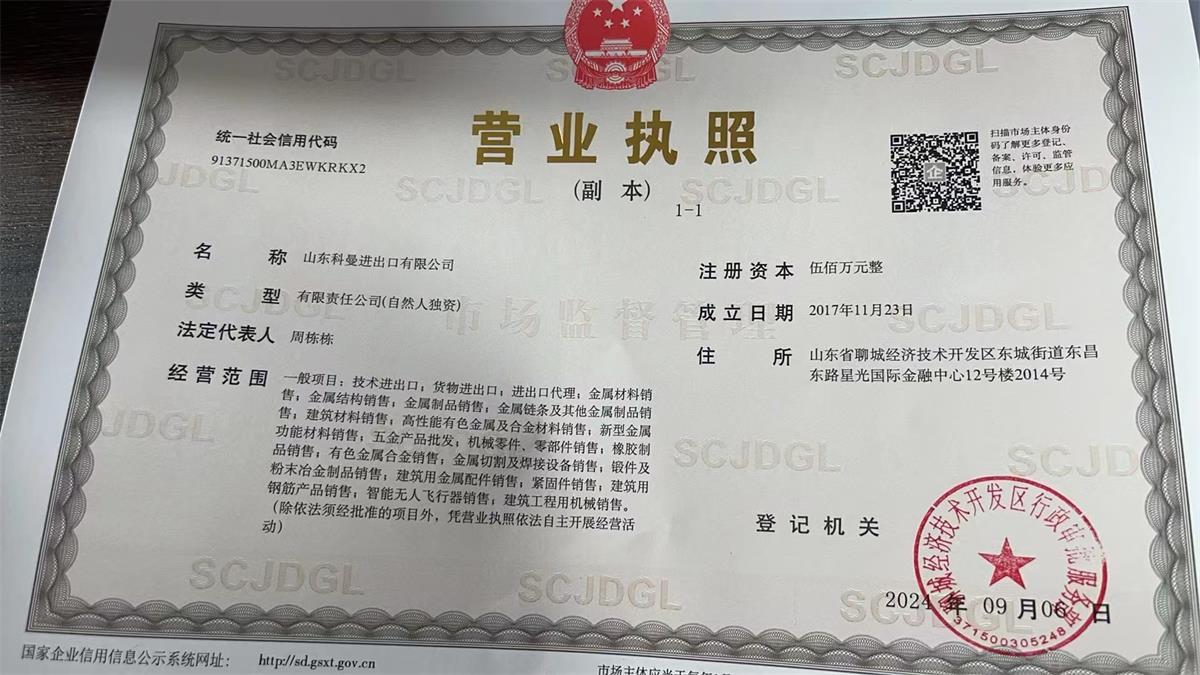
Address:Shandong Keman Import and Export Co., Ltd.

A515 Carbon Steel Plates: The Backbone of Reliable Structural Support
Release time:
2026-02-13
A515 carbon steel plates play a pivotal role in providing reliable structural support across various industries. Their impressive mechanical properties, versatility, and ability to withstand demanding conditions make them a top choice for applications
A515 carbon steel plates are integral components in the construction and structural support of various industrial applications. Known for their exceptional strength and durability, these plates are crucial for ensuring long-lasting performance in challenging environments. This article delves deep into the significance of A515 carbon steel plates, examining their properties, manufacturing processes, and applications across diverse industries.

What is A515 Carbon Steel?
A515 carbon steel is a high-strength, low-alloy steel primarily used in pressure vessel fabrication and structural applications. Classified under the ASTM A515 standard, this steel grade is known for its excellent weldability and machinability, making it a preferred choice for manufacturing heavy-duty components.
A515 carbon steel plates are composed mainly of iron, carbon, and a small percentage of manganese, phosphorus, and sulfur, which contribute to their impressive mechanical properties. The three grades of A515 steel—Grade 60, Grade 65, and Grade 70—are differentiated by their minimum yield points and tensile strength.
Properties of A515 Carbon Steel Plates
The properties of A515 carbon steel plates make them a reliable choice for various demanding applications. Some of the key characteristics include:
1. Mechanical Strength
A515 carbon steel plates exhibit superior mechanical strength, with yield strengths ranging from 38,000 to 70,000 psi, depending on the grade. This high strength ensures that structures can withstand significant loads and pressures, providing enhanced safety and stability.
2. Excellent Weldability
The composition of A515 steel allows for easy welding, enabling fabrication into complex shapes without compromising structural integrity. This feature is vital for industries that require precise and robust connections.
3. Resistance to Impact and Ductility
A515 carbon steel plates maintain their toughness and impact resistance even at low temperatures. This ductility is essential for applications where materials may be subjected to extreme conditions.
4. Corrosion Resistance
While A515 carbon steel is not inherently corrosion-resistant, it can be treated with various protective coatings to enhance its durability in corrosive environments. These treatments extend the life of the steel plates and reduce maintenance costs.
Applications of A515 Carbon Steel Plates
A515 carbon steel plates find utility in a wide range of industries due to their robust properties. Key applications include:
1. Pressure Vessels
One of the most common uses of A515 steel plates is in the manufacturing of pressure vessels. Their high strength and ability to withstand pressure make them ideal for tanks and reactors used in the chemical and petrochemical industries.
2. Power Generation
A515 carbon steel plates are widely used in power plants, particularly in boilers and heat exchangers, where they are required to handle high pressures and temperatures.
3. Shipbuilding and Marine Structures
In the maritime industry, A515 plates are employed in the construction of ship hulls and other structural components due to their strength and resistance to impact.
4. Heavy Machinery
The durability of A515 steel plates makes them suitable for heavy machinery and equipment, ensuring reliable performance in various operational scenarios.
Manufacturing Process of A515 Carbon Steel Plates
The manufacturing of A515 carbon steel plates involves several steps to ensure the plates meet specific standards and requirements.
1. Raw Material Selection
High-quality raw materials are sourced to produce A515 steel plates. The carbon content and alloying elements are carefully controlled to achieve the desired mechanical properties.
2. Heat Treatment
Heat treatment processes, such as normalization or tempering, are employed to enhance the mechanical properties of the steel plates. This process improves toughness and ensures uniformity in the material.
3. Rolling and Forming
The steel is then rolled into plates of specified thickness. Advanced rolling techniques ensure that the plates maintain consistent dimensions and surface quality.
4. Quality Control
Stringent quality control measures are implemented throughout the manufacturing process. This includes non-destructive testing to detect any flaws or inconsistencies in the plates.
Advantages of Using A515 Steel Plates
Utilizing A515 carbon steel plates in construction and manufacturing offers numerous benefits:
- Cost-Effectiveness: A515 steel plates provide a balance between performance and cost, making them an economical choice for structural applications.
- Versatility: These steel plates can be used in various applications, from pressure vessels to heavy machinery, offering flexibility in design and construction.
- Reliability: The mechanical properties of A515 plates ensure they can perform under demanding conditions, reducing the risk of failure.
- Safety: A515 plates contribute to the overall safety of structures due to their strength and impact resistance, making them a trusted choice for critical applications.
Installation and Maintenance Considerations
When it comes to installing and maintaining A515 carbon steel plates, several factors should be considered to ensure optimal performance:
1. Proper Handling and Storage
A515 plates should be stored in a dry, clean environment to prevent corrosion. Proper handling techniques during transportation and installation help maintain the integrity of the plates.
2. Welding Techniques
Utilize appropriate welding techniques to ensure strong joints between A515 plates. Preheating may be necessary to prevent cracking, particularly in thicker plates.
3. Regular Inspections
Conduct regular inspections to detect any signs of wear or corrosion. Early detection of issues can prevent costly repairs and extend the lifespan of the plates.
Comparison with Other Steel Grades
A515 carbon steel plates are often compared with other steel grades to determine the most suitable material for specific applications.
1. A36 Steel vs. A515 Steel
While A36 steel is used for structural applications, A515 offers higher strength and is better suited for pressure vessels. A515's enhanced properties make it a preferred choice in demanding environments.
2. A572 Steel vs. A515 Steel
A572 steel is designed for higher strength and lower weight, while A515 is specifically tailored for high-temperature applications. The choice between the two depends on the specific requirements of the project.
A515 carbon steel plates play a pivotal role in providing reliable structural support across various industries. Their impressive mechanical properties, versatility, and ability to withstand demanding conditions make them a top choice for applications such as pressure vessels, power generation, and heavy machinery. Understanding the properties, manufacturing processes, and best practices for utilizing A515 steel plates ensures that projects can achieve the highest levels of safety and durability.
Latest News
Innovative Applications of Carbon Steel Plates in Building Designs
Innovative Applications of Carbon Steel Plates in Building Designs Carbon steel plates have emerged as a cornerstone material in the construction industry, gaining acclaim for their versatility, strength, and aesthetic potential. As the demand for innovative design solutions escalates, architects and builders are increasingly incorporating carbon steel plates into their projects. This article expl
2026-09-22
Understanding A514 Carbon Steel Plate: Key Characteristics and Applications
A514 Carbon Steel Plate is a high-yield strength steel that has become a preferred choice in various industrial applications, particularly in the fields of metallurgy and energy. This type of steel is known for its excellent mechanical properties, making it suitable for demanding environments where strength and durability are paramount. One of the key characteristics of A514 Carbon Steel Plate is
2026-09-17
How A387 Carbon Alloy Steel Plate Enhances Structural Integrity in Construction
How A387 Carbon Alloy Steel Plate Enhances Structural Integrity in Construction Table of Contents 1. Introduction to A387 Carbon Alloy Steel Plate 2. What is A387 Carbon Alloy Steel? 3. Key Properties of A387 Carbon Alloy Steel Plates 4. Manufacturing Process of A387 Steel Plates 5. Applications of A387 Carbon Alloy Steel Plates 6. Advantages of Using A387 Carbon Alloy Ste
2026-09-12
Understanding A285 Carbon Steel Pressure Plates: Essential Insights for Construction and Design
A285 Carbon Steel Pressure Plates are primarily used in pressure vessel fabrication and construction applications. This type of steel is known for its good weldability and formability, making it a favorable choice for various structural components. The ASTM A285 standard specifically governs the specifications for carbon steel plates intended for low-pressure service. One of the key characteristic
2026-09-07
The Role of 5A05 Aluminum Plate in Enhancing Building Aesthetics
The Role of 5A05 Aluminum Plate in Enhancing Building Aesthetics Table of Contents 1. Introduction to 5A05 Aluminum Plates 2. Properties of 5A05 Aluminum Plates 3. Applications of 5A05 Aluminum Plates in Architecture 4. Aesthetic Advantages of Using 5A05 Aluminum Plates 5. Sustainability and Environmental Impact 6. Installation and Maintenance of 5A05 Aluminum Plates 7
2026-09-02
Understanding B500 Steel Reinforcement: Key Insights for Professionals in Construction Machinery
B500 steel reinforcement is a critical component in the construction industry, particularly in manufacturing and processing machinery for engineering and construction projects. This high-strength steel bar is widely used in reinforced concrete structures, providing the necessary tensile strength to support heavy loads and withstand various stresses. One of the defining characteristics of B500 stee
2026-08-28


Copyright 2025 : Shandong Keman Import and Export Co., Ltd. Powered by:CEglobal SEO BUSINESS LICENSE