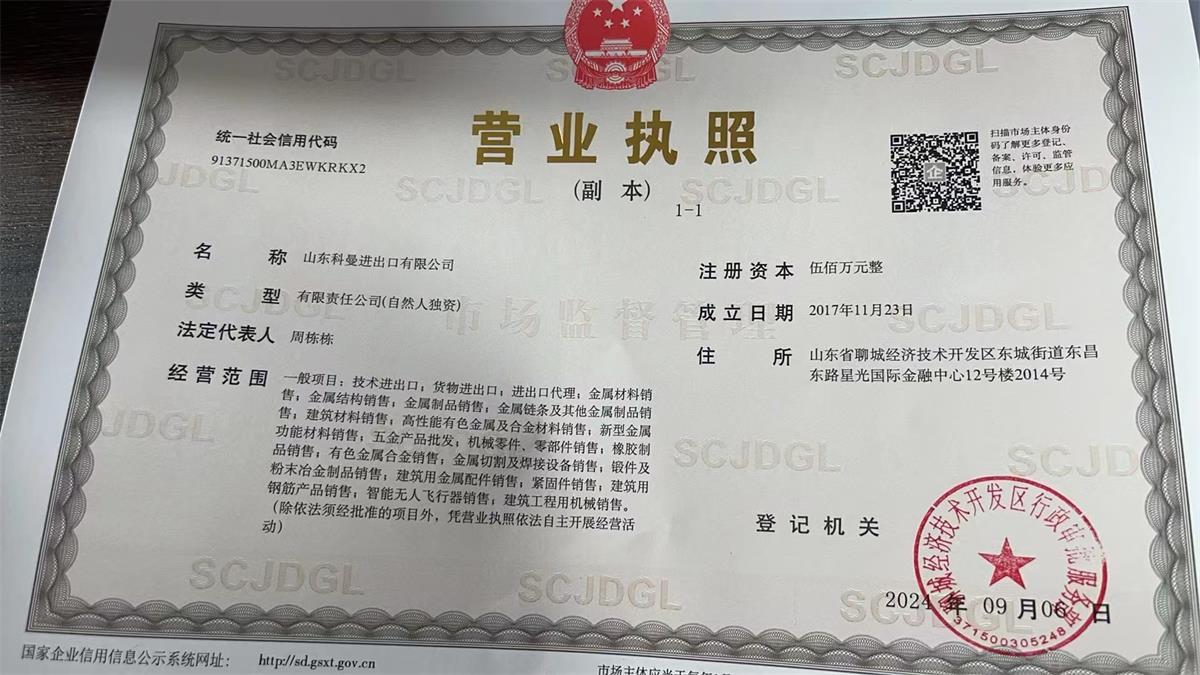
Address:Shandong Keman Import and Export Co., Ltd.

Understanding the Benefits of Using Famous Differential Thickness Tinplate in Construction
Release time:
2026-03-05
Understanding the Benefits of Using Famous Differential Thickness Tinplate in Construction Table of Contents What is Differential Thickness Tinplate? History and Evolution of Tinplate in Construction Advantages of Using Tinplate in Construction Structural Integrity and Durability Cost-Effectiveness Sustainability and Environmental Impact
Understanding the Benefits of Using Famous Differential Thickness Tinplate in Construction
Table of Contents
- What is Differential Thickness Tinplate?
- History and Evolution of Tinplate in Construction
- Advantages of Using Tinplate in Construction
- Applications of Differential Thickness Tinplate in Modern Construction
- How to Choose the Right Differential Thickness Tinplate
- Future Trends in Tinplate Usage in Construction
- Frequently Asked Questions (FAQs)
- Conclusion
What is Differential Thickness Tinplate?
Differential thickness tinplate is a type of steel plate that exhibits varying thicknesses across its surface. This innovative material is engineered for specific applications, allowing for enhanced performance where required while maintaining overall lightness. The manufacturing process involves precise control over thickness, enabling builders to utilize the material effectively for structural and aesthetic purposes.
History and Evolution of Tinplate in Construction
The use of tinplate can be traced back centuries, but its integration into modern construction has evolved significantly. Initially utilized for roofing and exterior cladding, tinplate has undergone advancements in manufacturing and treatment, paving the way for differential thickness options. Over the years, architects and engineers have recognized the potential of tinplate not only for its durability but also for its versatility in design, leading to its widespread adoption in various building projects.
Advantages of Using Tinplate in Construction
Differential thickness tinplate offers a plethora of advantages that contribute to its growing popularity in construction. These benefits can be categorized into several key areas:
Structural Integrity and Durability
One of the primary benefits of differential thickness tinplate is its structural integrity. The varying thickness allows builders to reinforce areas that require additional strength, such as load-bearing sections, while keeping other parts lighter. This design flexibility not only enhances the overall durability of the structure but also helps prevent issues related to warping, cracking, and wear over time.
Cost-Effectiveness
Utilizing differential thickness tinplate can also lead to significant cost savings. Its lightweight nature allows for easier handling and installation, reducing labor costs on-site. Moreover, the material's durability translates into lower maintenance costs over the lifespan of the building. By investing in quality differential thickness tinplate, builders can achieve long-term savings while ensuring high-performance standards.
Sustainability and Environmental Impact
In today's construction landscape, sustainability is more critical than ever. Differential thickness tinplate is often produced with environmentally friendly practices, and its longevity means fewer resources are consumed over time. Additionally, many manufacturers are committed to using recyclable materials, contributing to a circular economy. Builders can take pride in choosing tinplate as a sustainable building material that aligns with modern environmental standards.
Applications of Differential Thickness Tinplate in Modern Construction
The versatility of differential thickness tinplate makes it suitable for a wide range of applications in modern construction. Some of the most common uses include:
Roofing Systems
Tinplate is increasingly being utilized in roofing systems due to its lightweight and weather-resistant properties. The differential thickness allows for enhanced strength in critical areas, ensuring that roofs can withstand harsh environmental conditions.
Exterior Cladding
Architects favor differential thickness tinplate for exterior cladding, where aesthetic appeal must be balanced with functionality. Its ability to be molded into various shapes and finishes allows for creative design while providing robust protection against elements.
Structural Components
In structural applications, differential thickness tinplate can be employed in beams, columns, and other load-bearing components. Its unique properties ensure that buildings can achieve optimal strength-to-weight ratios.
How to Choose the Right Differential Thickness Tinplate
Selecting the appropriate differential thickness tinplate involves several considerations:
1. **Project Requirements**: Analyze the specific needs of your building project, including load-bearing requirements and environmental conditions.
2. **Manufacturer Reputation**: Choose a reputable manufacturer known for producing high-quality tinplate. Research their production processes, sustainability practices, and customer feedback.
3. **Thickness Variability**: Consider the specific thicknesses required for different parts of your project. A manufacturer that can customize thickness according to your specifications will provide greater flexibility.
4. **Cost Analysis**: Weigh the upfront costs against potential long-term savings in maintenance and energy efficiency.
Future Trends in Tinplate Usage in Construction
As technology advances, the future of differential thickness tinplate in construction looks promising. Innovations in manufacturing processes, such as enhanced coating techniques, will lead to even better performance and longevity. Additionally, the growing emphasis on sustainable building practices is likely to drive more builders to consider tinplate as a viable option for their projects.
Moreover, the rise of smart construction technologies may integrate tinplate with advanced materials, further enhancing its functionalities and applications. Builders and architects who stay abreast of these trends will be better equipped to leverage the advantages of differential thickness tinplate in their projects.
Frequently Asked Questions (FAQs)
1. What is the main difference between differential thickness tinplate and standard tinplate?
Differential thickness tinplate features varying thickness across its surface, allowing for tailored applications in construction, while standard tinplate maintains a consistent thickness.
2. Is differential thickness tinplate environmentally friendly?
Yes, many manufacturers of differential thickness tinplate employ sustainable production practices and use recyclable materials, making it an environmentally friendly choice.
3. How does differential thickness tinplate contribute to energy efficiency in buildings?
The lightweight nature of differential thickness tinplate reduces the overall load on structures, potentially lowering energy consumption during heating and cooling.
4. Can differential thickness tinplate be used in seismic areas?
Yes, when properly engineered, differential thickness tinplate can provide the necessary strength and flexibility required for buildings located in seismic zones.
5. What are the maintenance requirements for buildings utilizing differential thickness tinplate?
Differential thickness tinplate is low-maintenance due to its durability; regular inspections and occasional cleaning are generally sufficient to ensure its longevity.
Conclusion
In summary, differential thickness tinplate presents a range of benefits that make it an invaluable material in modern construction. Its structural integrity, cost-effectiveness, and sustainability align with the evolving demands of the industry, catering to both builders and architects. By understanding and embracing the advantages of this innovative material, construction professionals can significantly enhance their projects, ensuring durability, efficiency, and aesthetic appeal for years to come. As we look to the future, staying informed about trends and advancements in tinplate technology will be essential for leveraging its full potential in the building sector.
Latest News
Understanding the Benefits of Using Famous Differential Thickness Tinplate in Construction
Understanding the Benefits of Using Famous Differential Thickness Tinplate in Construction Table of Contents What is Differential Thickness Tinplate? History and Evolution of Tinplate in Construction Advantages of Using Tinplate in Construction Structural Integrity and Durability Cost-Effectiveness Sustainability and Environmental Impact
2026-03-05
Understanding Classy A572 Carbon Steel Plates: A Comprehensive Guide for Industry Professionals
When it comes to the construction and decoration materials sector, the choice of steel is paramount for ensuring durability, safety, and aesthetic appeal. One of the standout options in this arena is Classy A572 Carbon Steel Plate, a material known for its unique combination of strength, versatility, and affordability. This article delves into the benefits and applications of A572 Carbon Steel Pla
2026-02-28
Fancy Equal Thickness Tinplate: Redefining Strength in Building Materials
Fancy Equal Thickness Tinplate: Redefining Strength in Building Materials Table of Contents 1. Introduction to Fancy Equal Thickness Tinplate 2. What is Fancy Equal Thickness Tinplate? 3. Benefits of Using Fancy Equal Thickness Tinplate 4. Applications in the Construction Industry 5. Comparing Fancy Equal Thickness Tinplate with Traditional Materials 6. The Manufacturing P
2026-02-25
Understanding the Benefits of Durable A537 Carbon Steel Plate in Construction
When it comes to construction and structural components, the choice of materials is critical to ensuring long-term performance and safety. One of the prominent materials used in this sector is the durable A537 carbon steel plate. This specific type of carbon steel is engineered to provide exceptional strength, toughness, and durability, making it a preferred choice for various applications in the
2026-02-22
Why Advanced Double Reduced Cold Rolled Tinplate is a Game Changer in Construction
Why Advanced Double Reduced Cold Rolled Tinplate is a Game Changer in Construction Table of Contents 1. Introduction to Advanced Double Reduced Cold Rolled Tinplate 2. What is Advanced Double Reduced Cold Rolled Tinplate? 3. Unique Properties of Advanced Double Reduced Cold Rolled Tinplate 4. Key Benefits of Using Advanced Double Reduced Cold Rolled Tinplate in Construction 5.
2026-02-19
When it comes to construction and decorative materials, A516 Carbon Steel Plates stand out due to their excellent mechanical properties and versatility. These plates are primarily used in pressure vessel and boiler applications, owing to their ability to withstand high temperatures and pressures. Understanding the significance of discount A516 Carbon Steel Plates can provide valuable insights for
2026-02-16


Copyright 2025 : Shandong Keman Import and Export Co., Ltd. Powered by:CEglobal SEO BUSINESS LICENSE